XC International at Rochester International Commerce Center

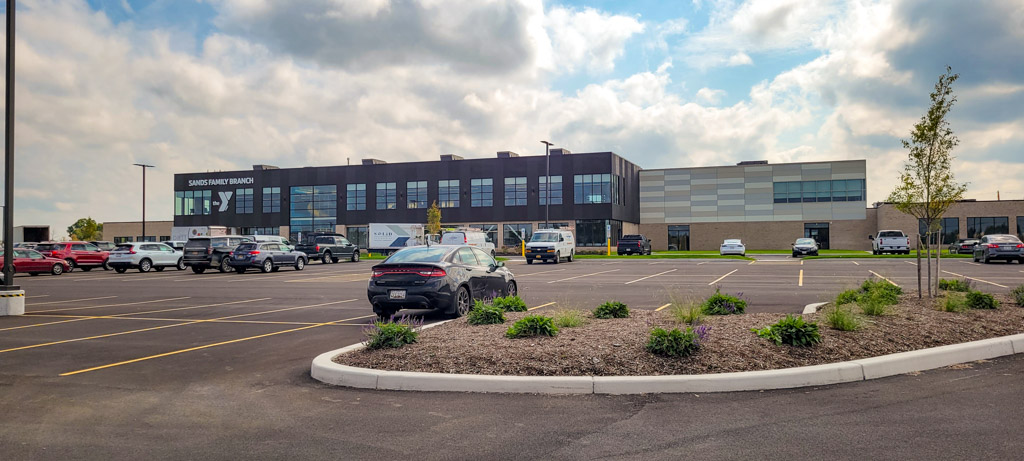
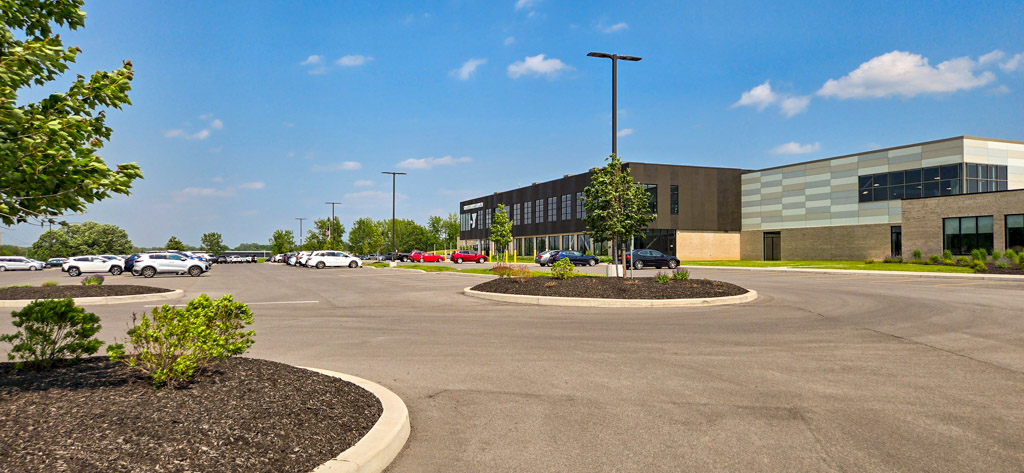
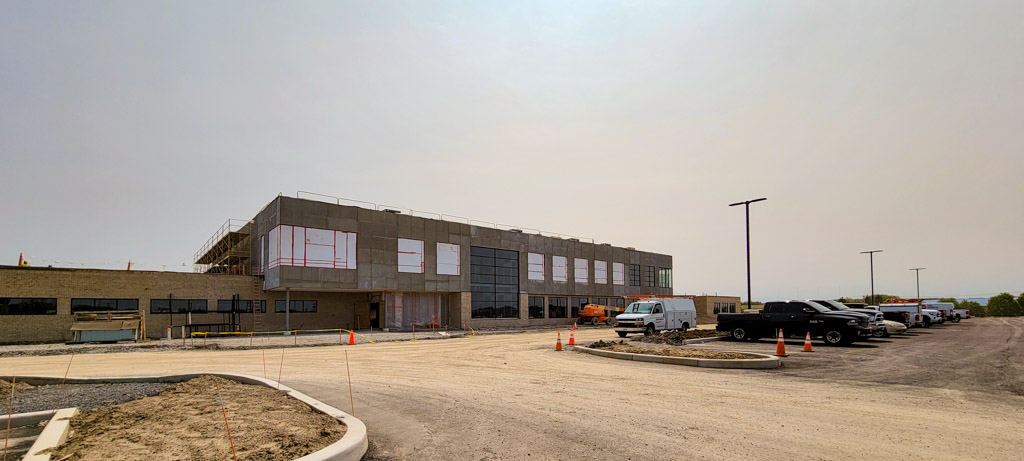
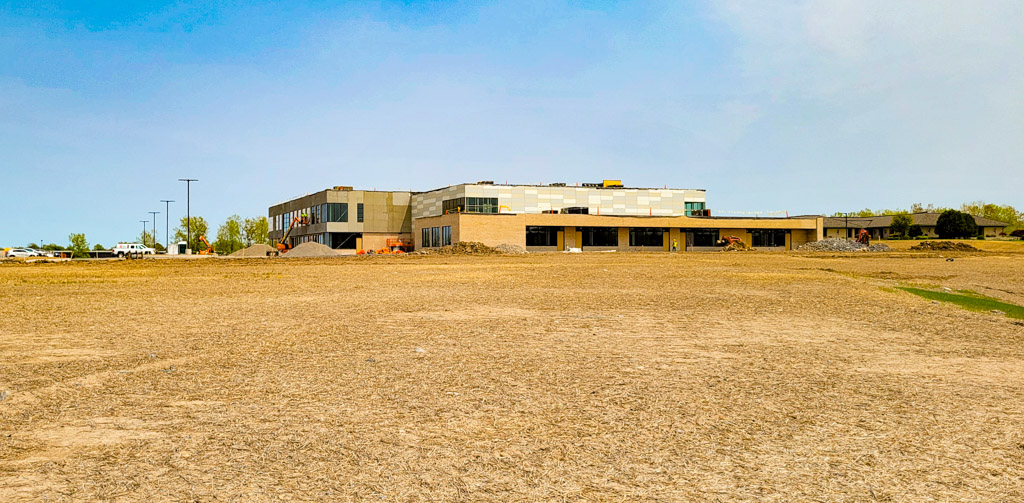
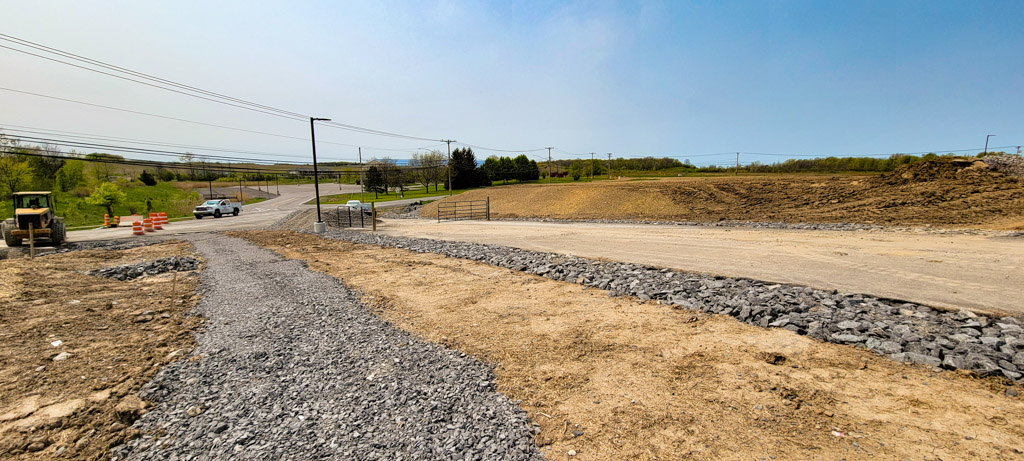
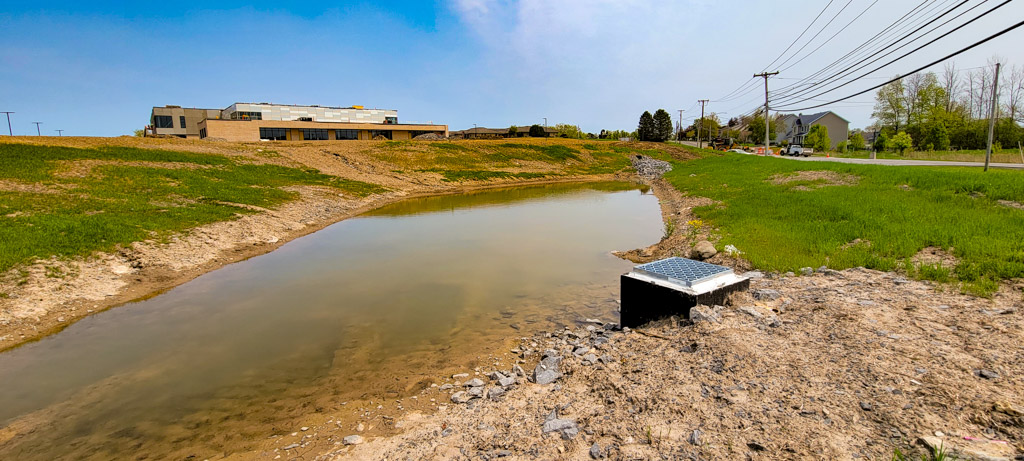
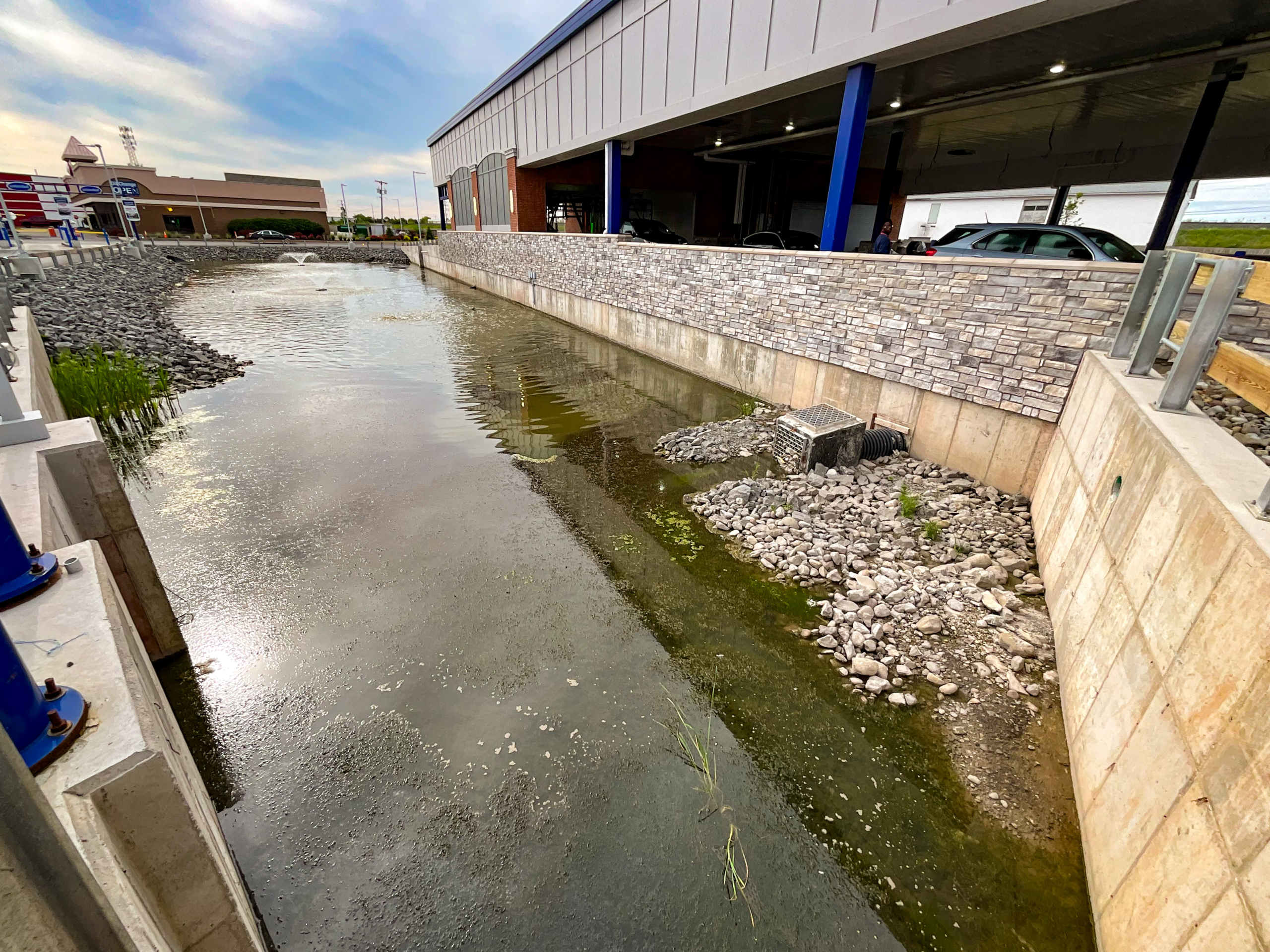
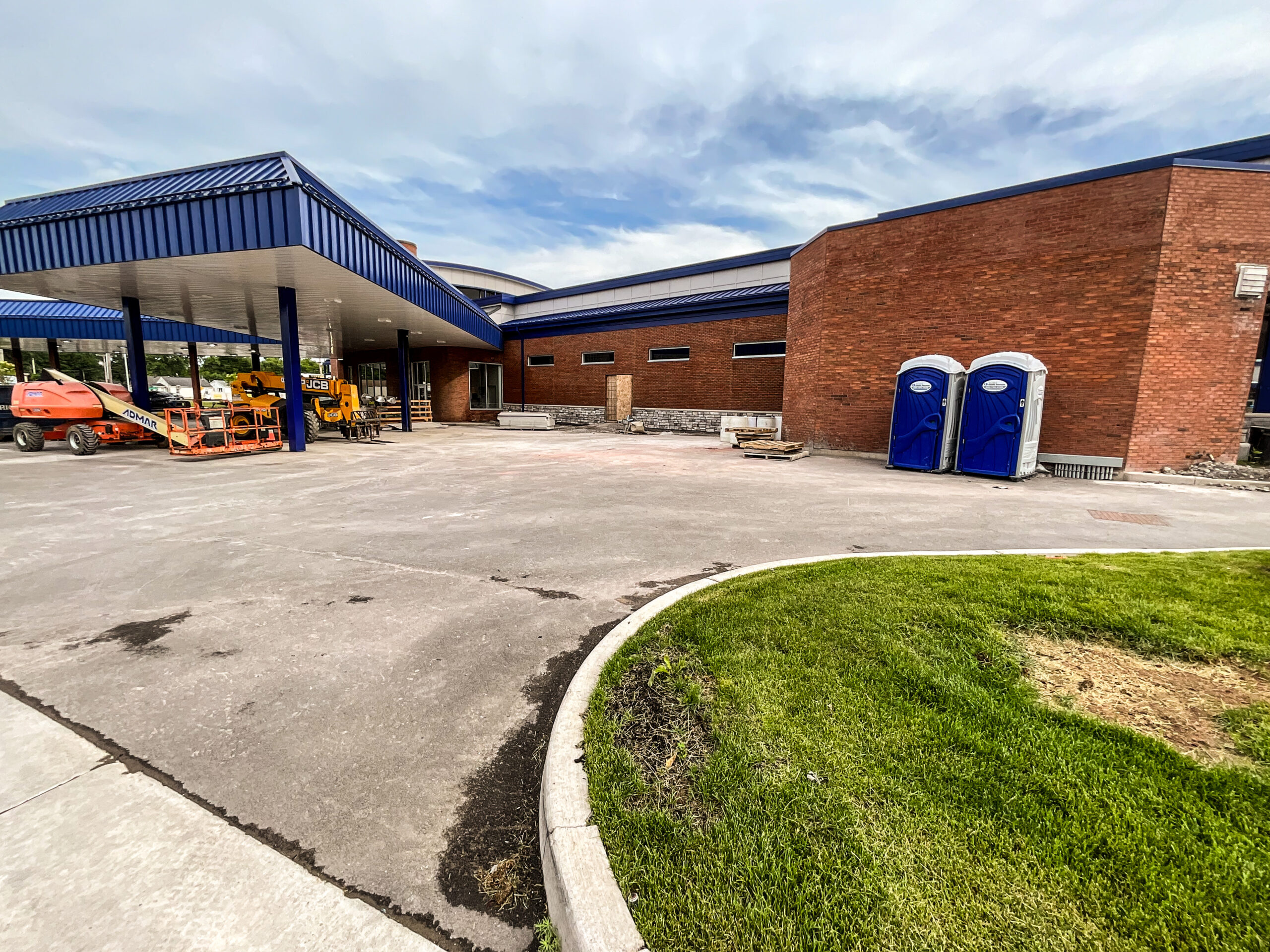
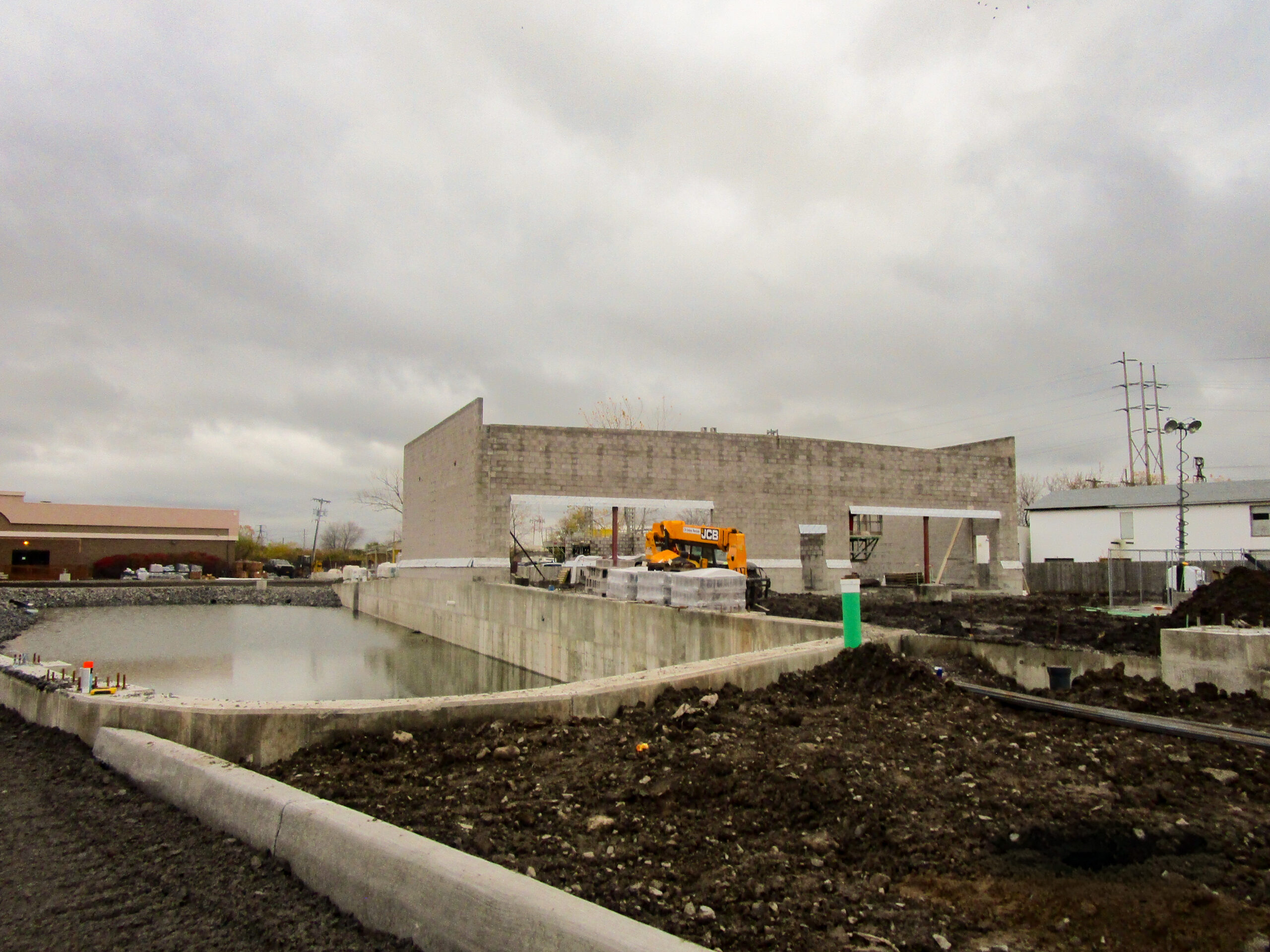
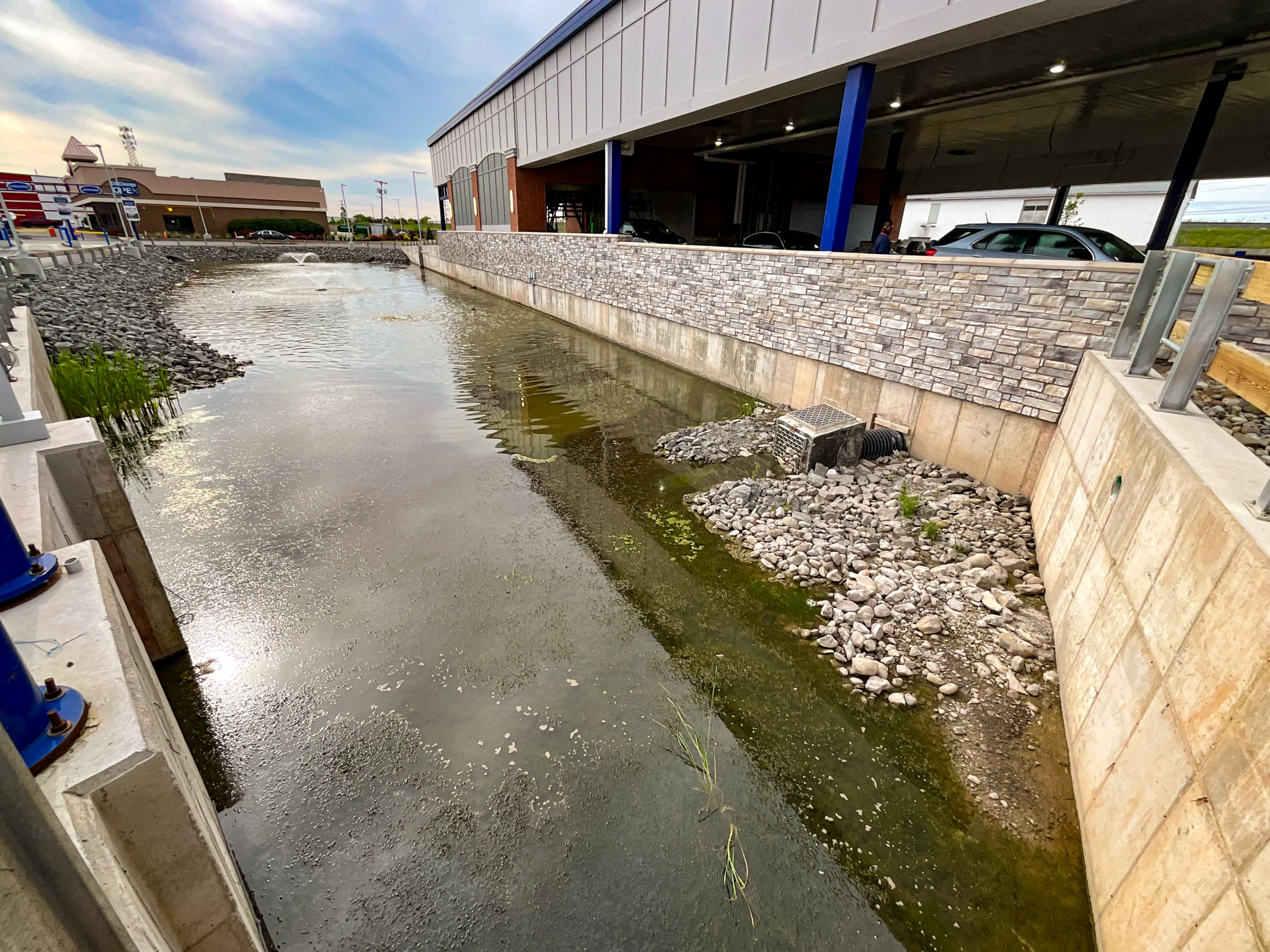
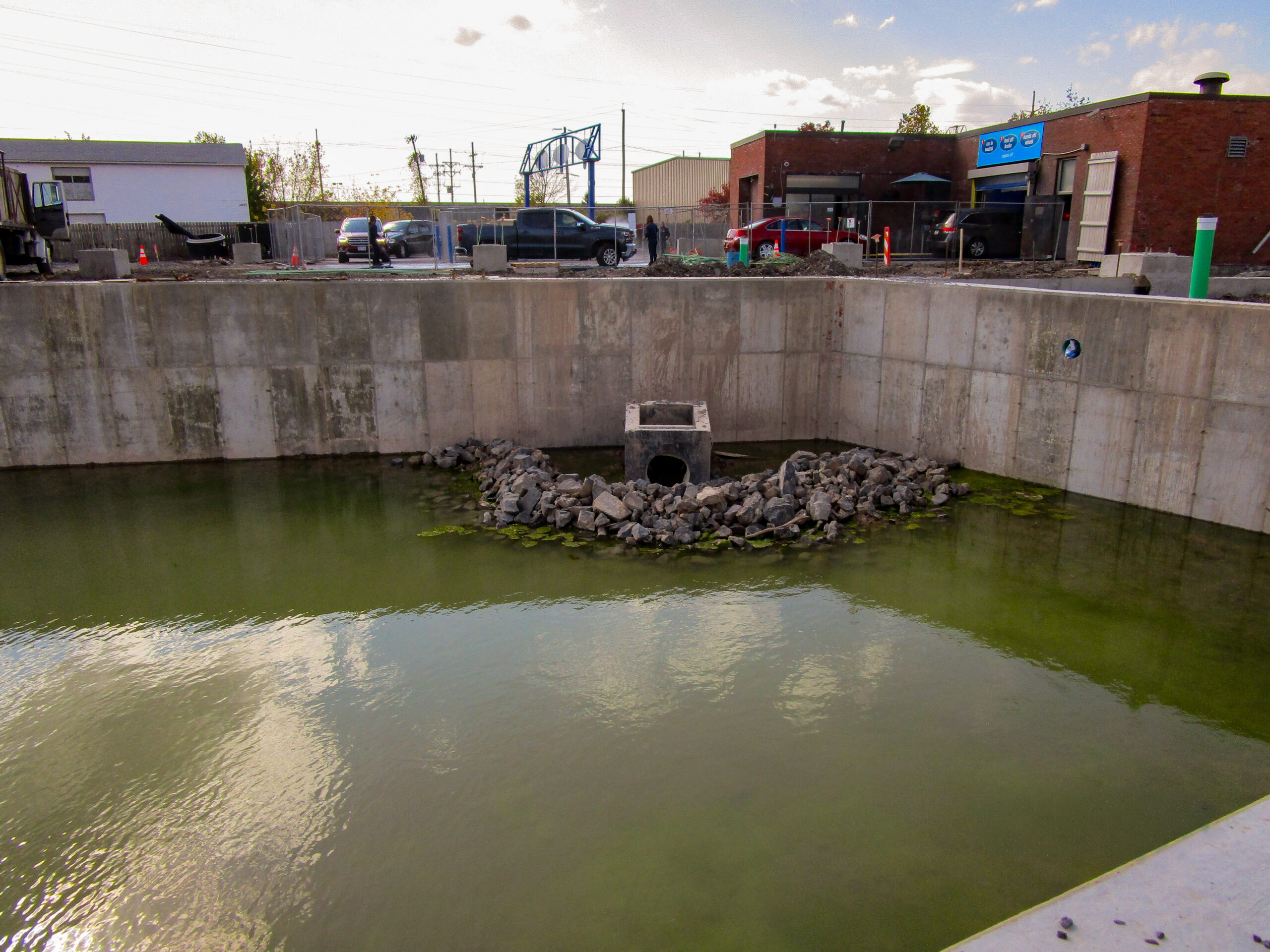
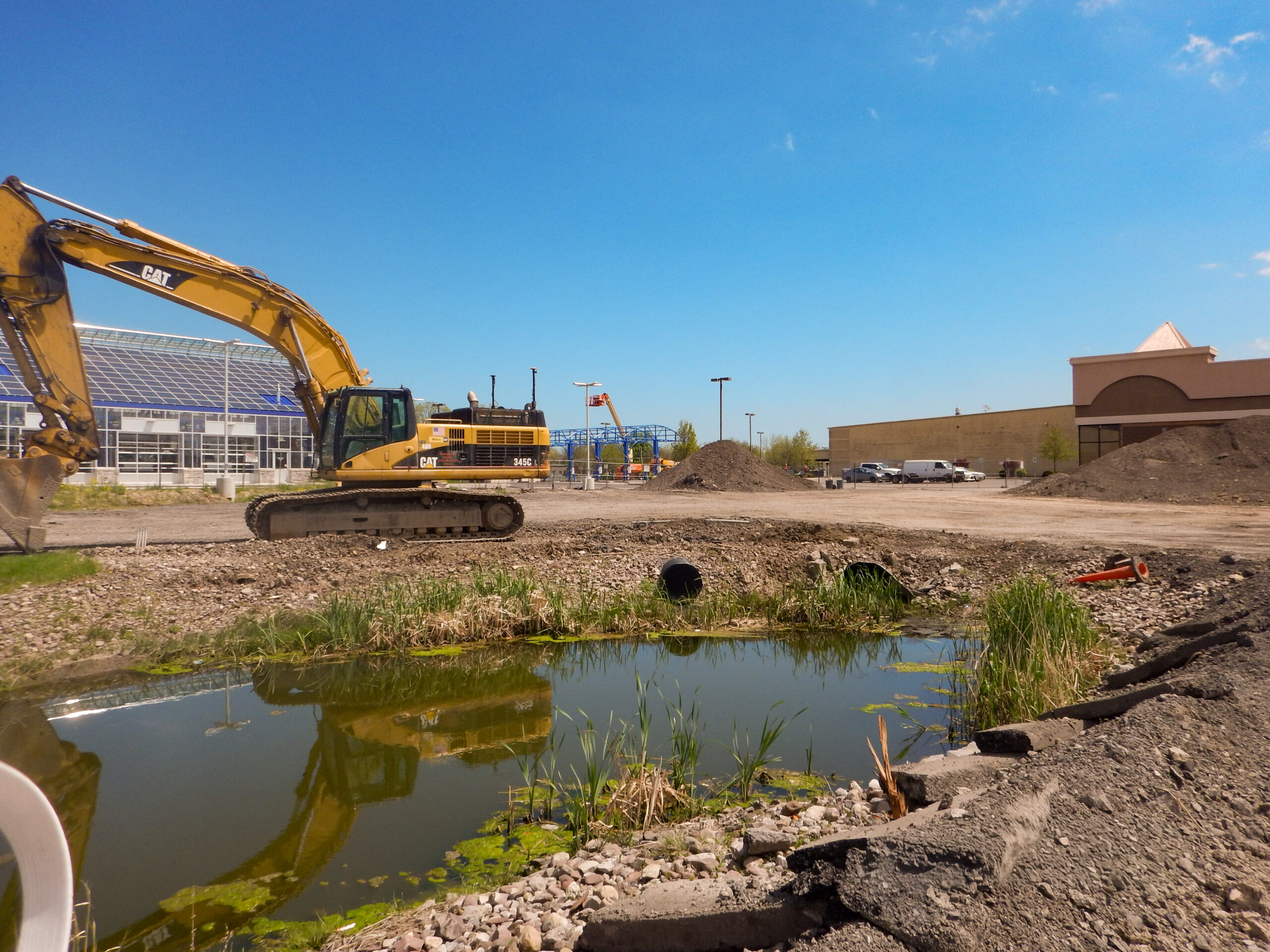
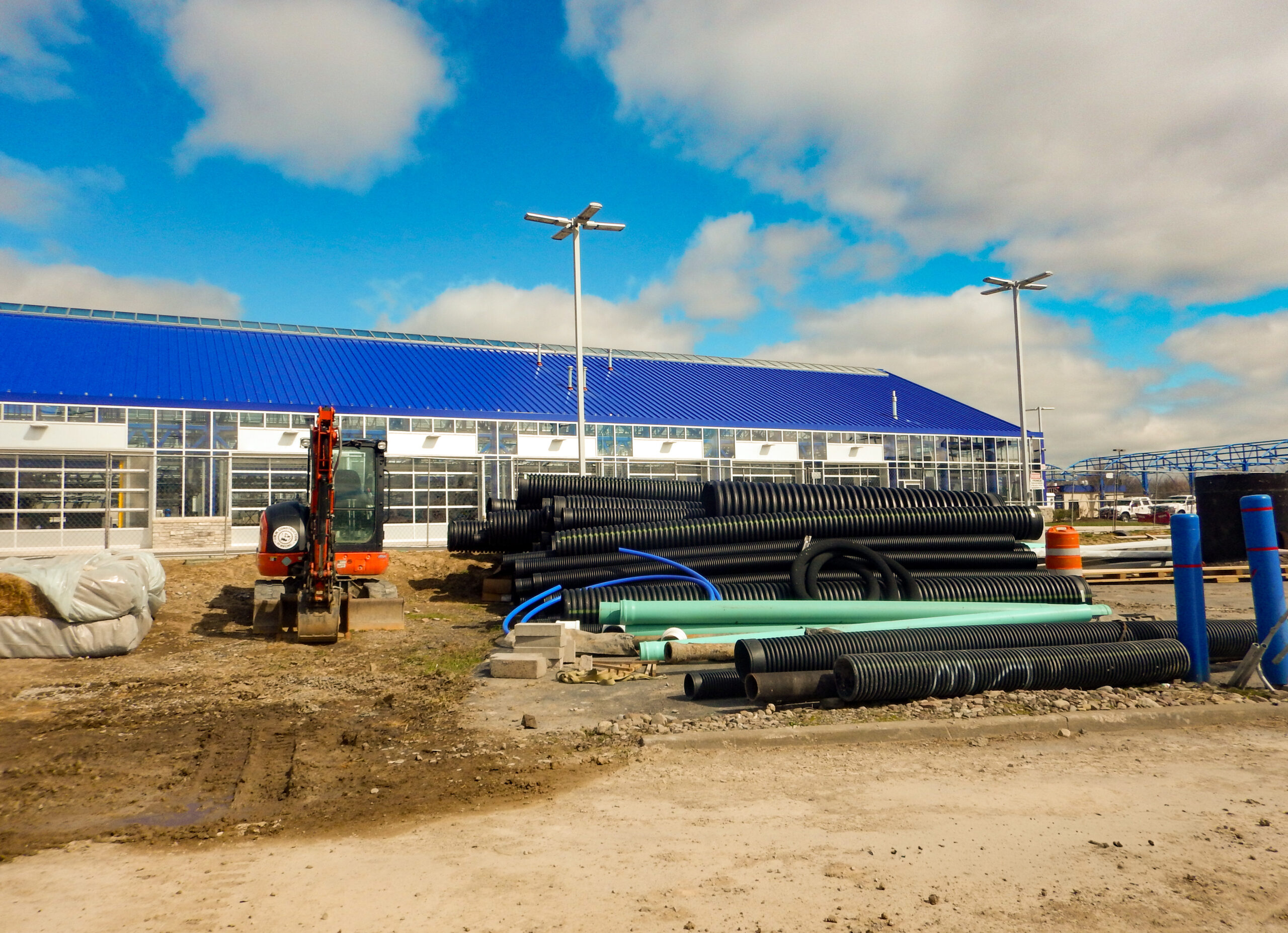
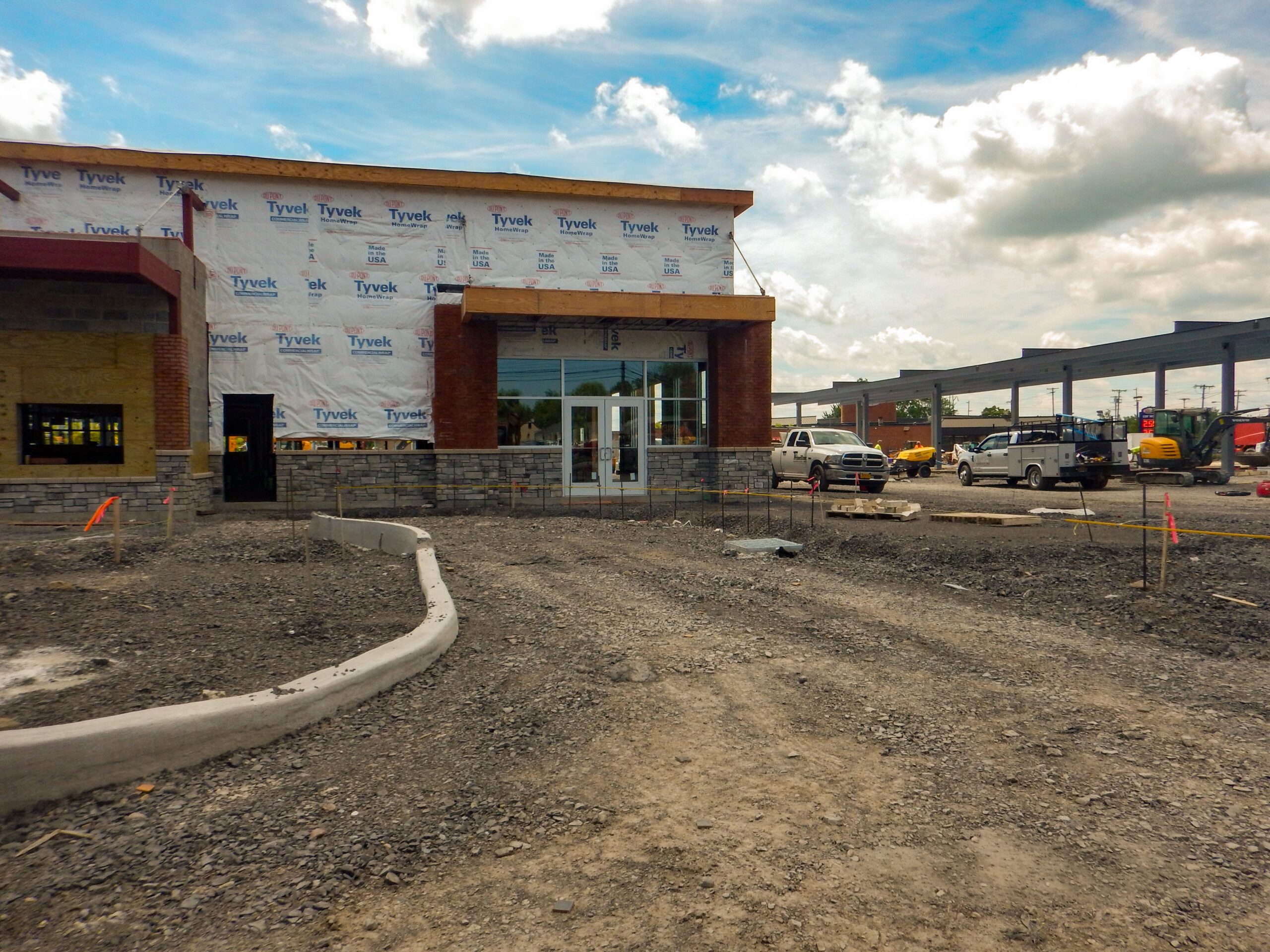
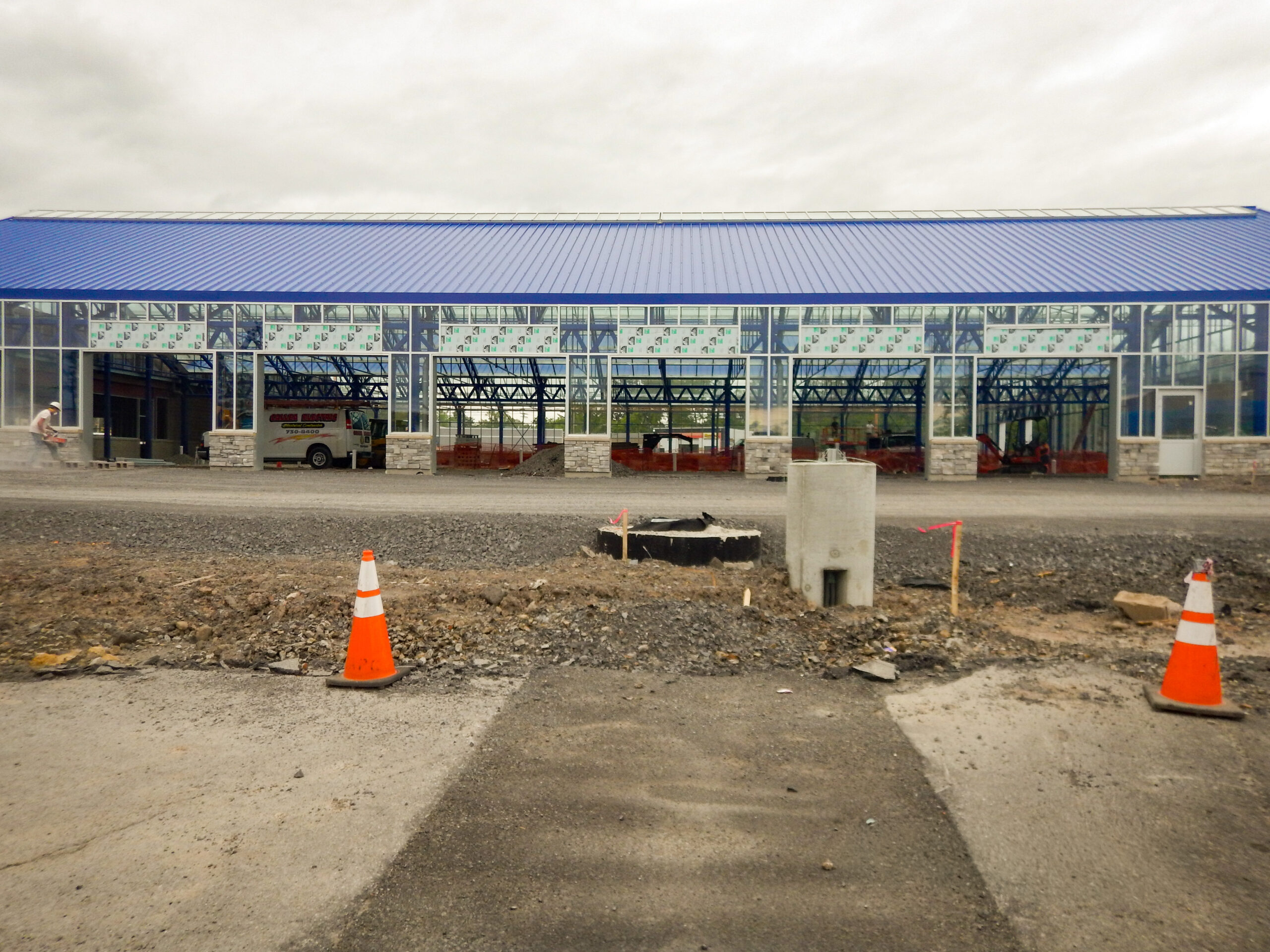
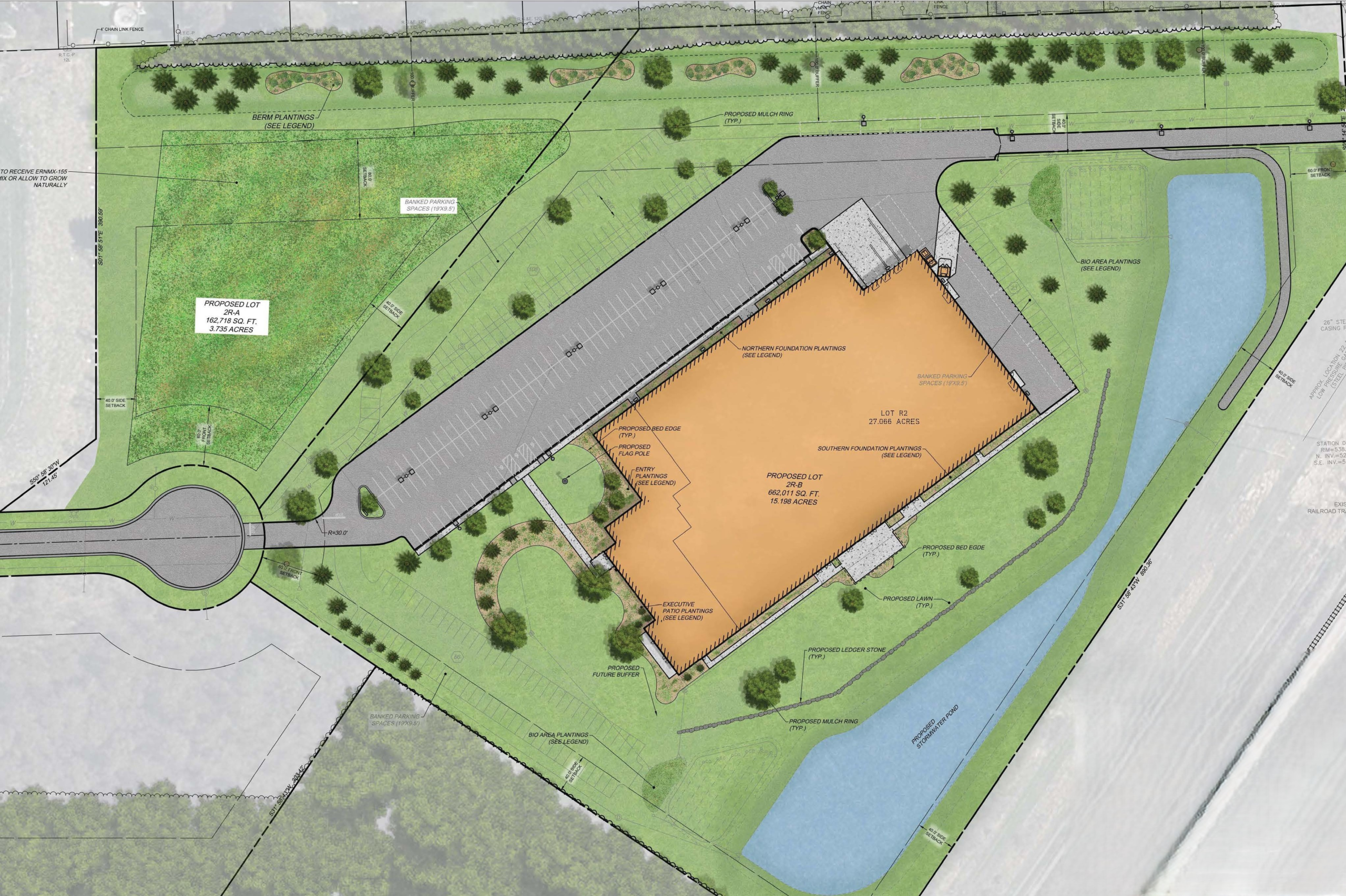
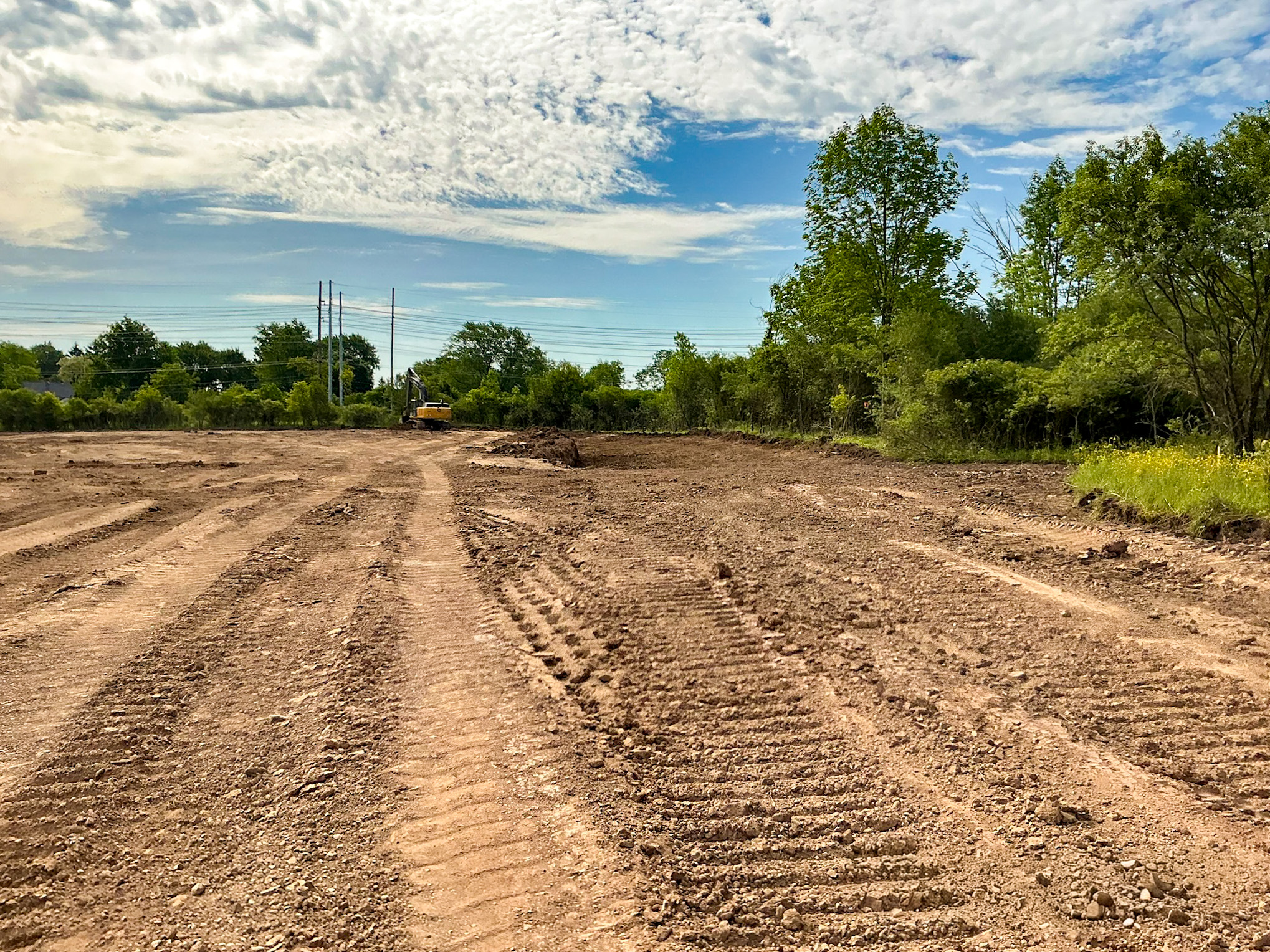
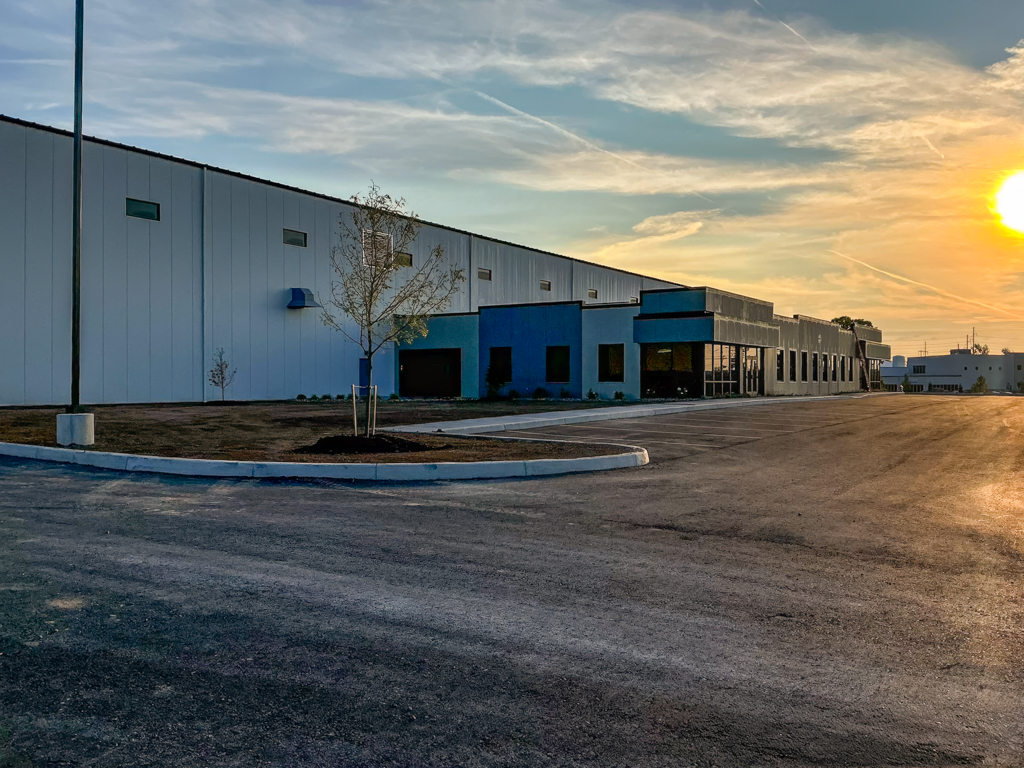
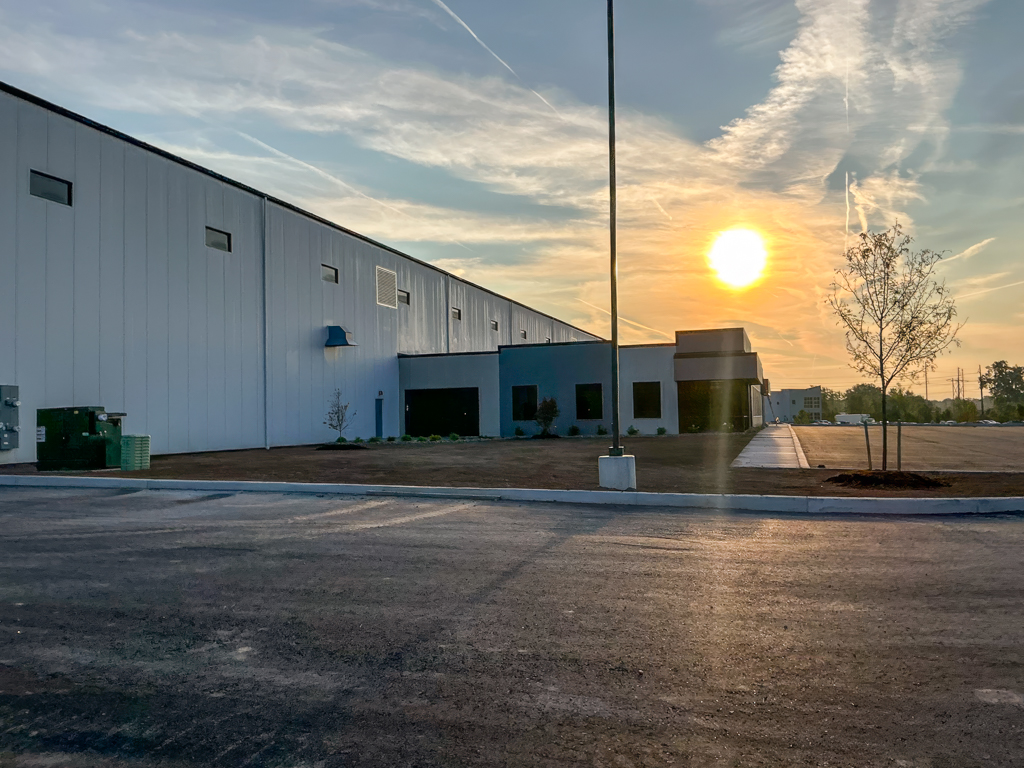
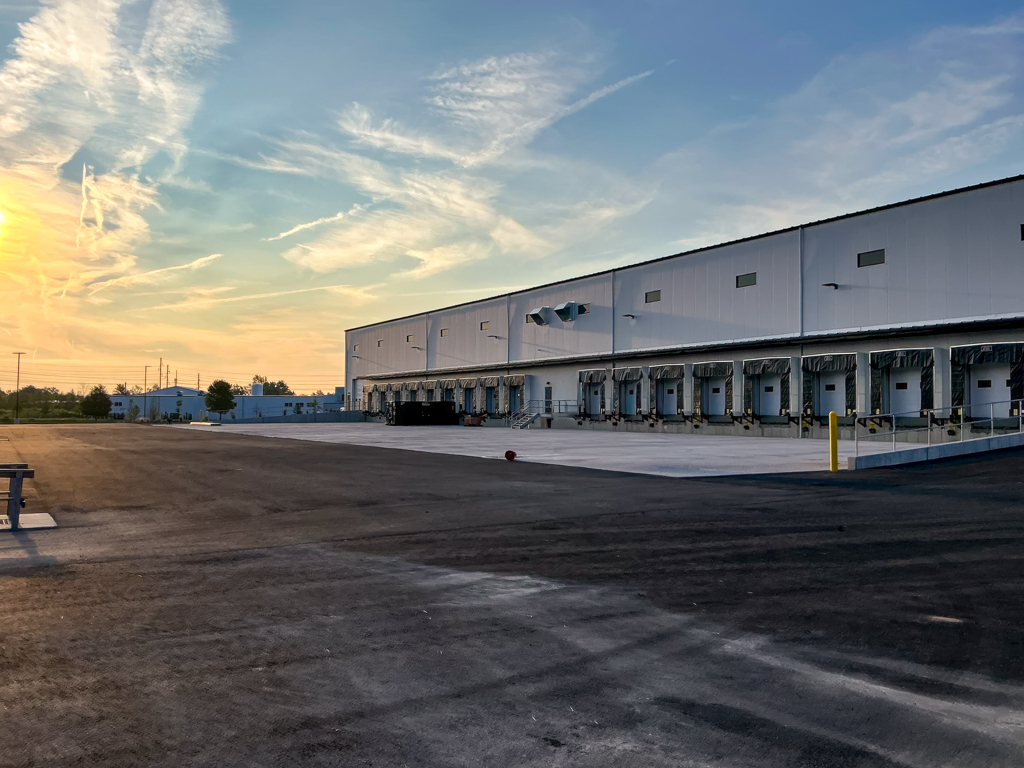
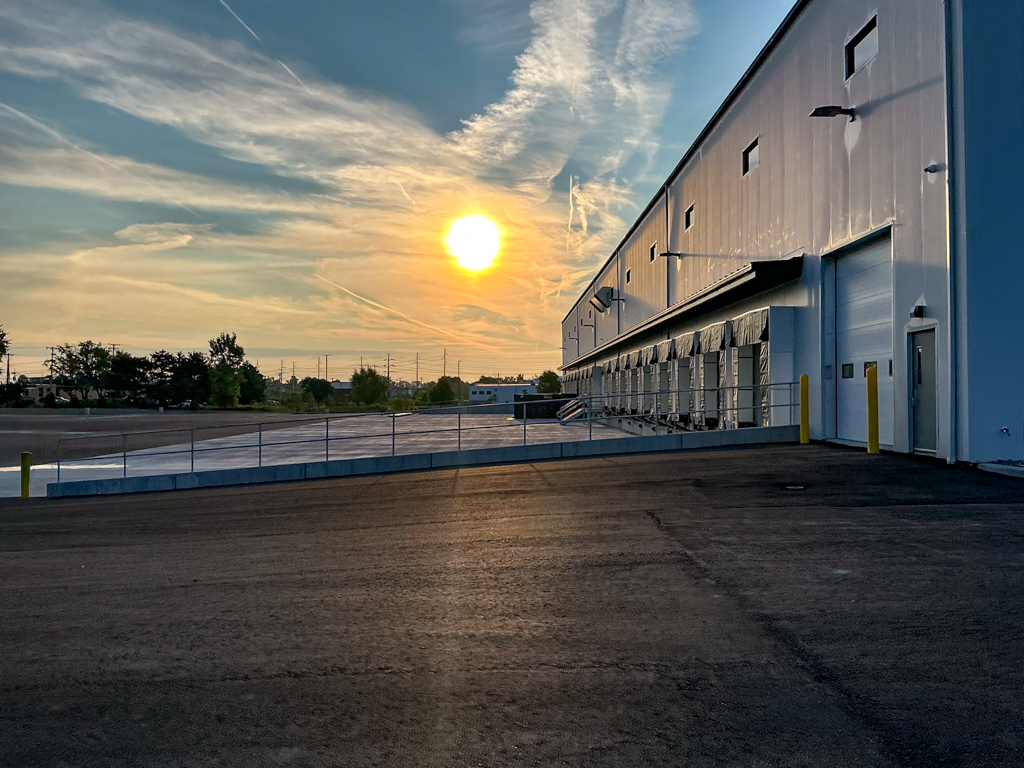
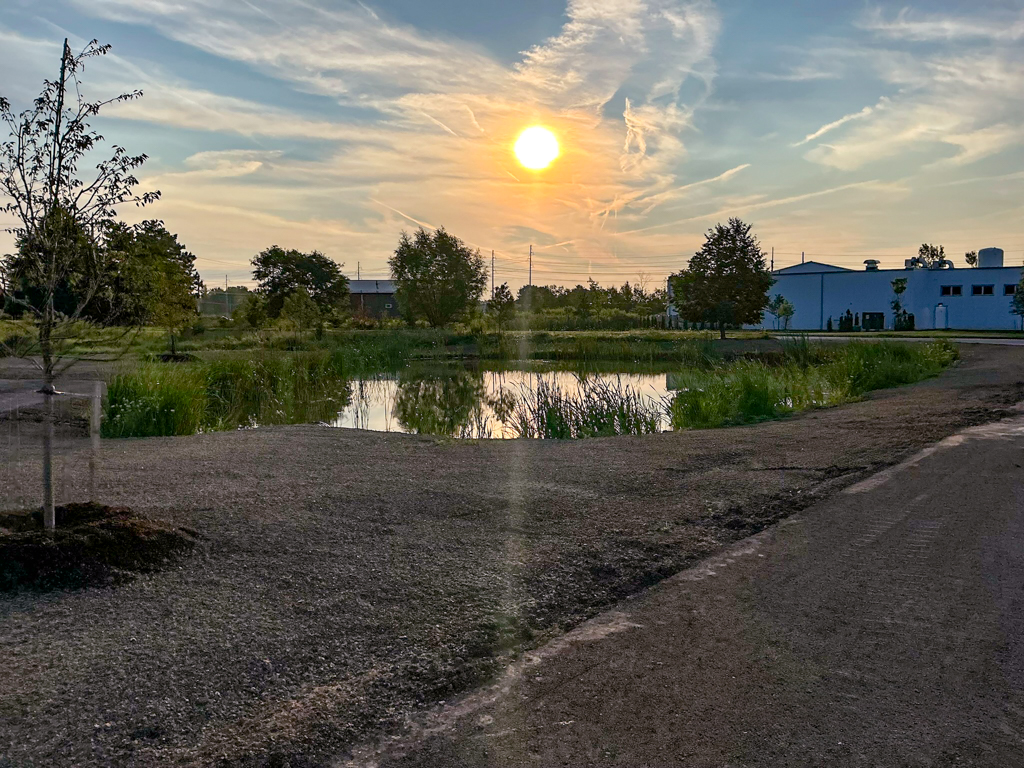
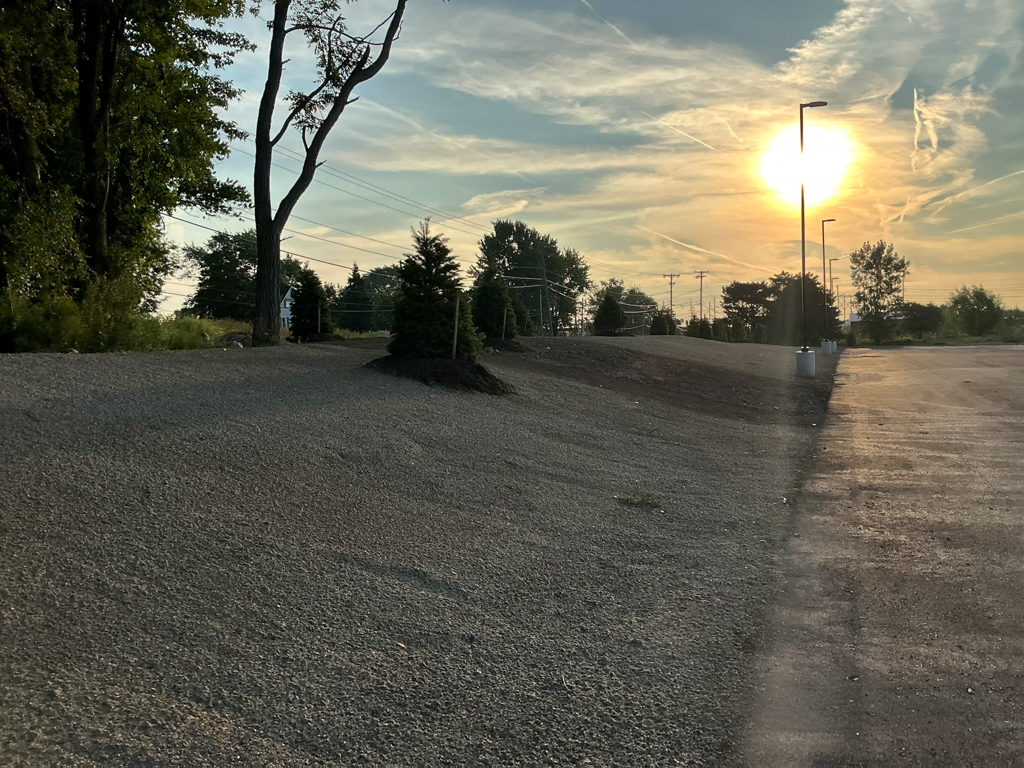
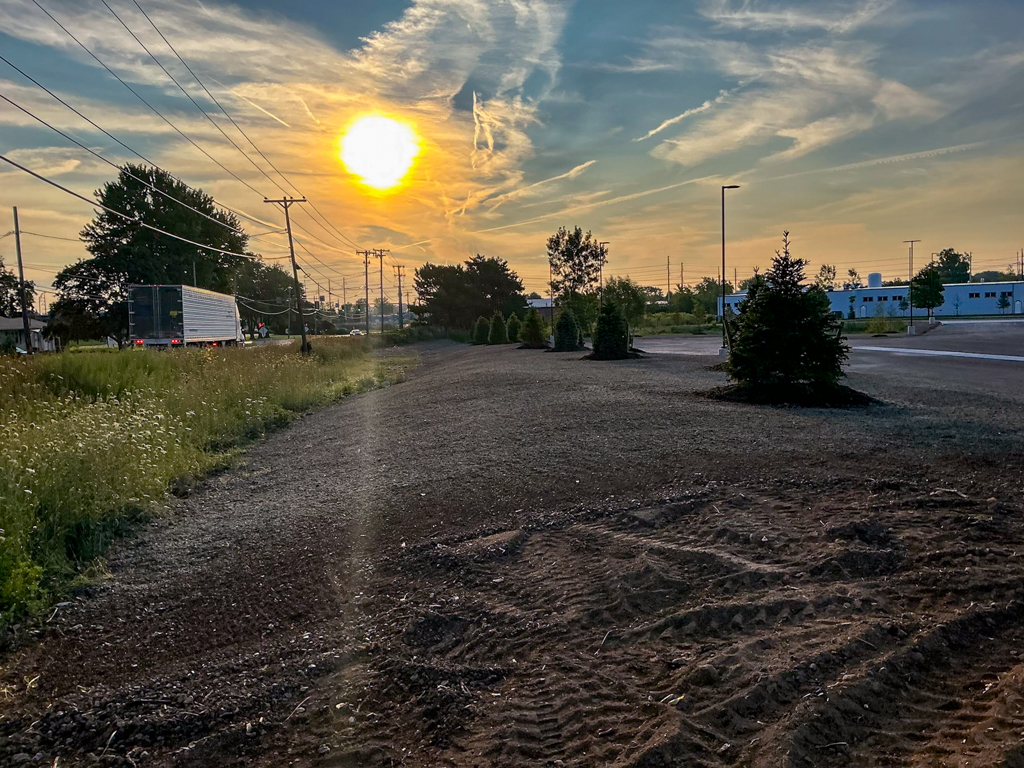
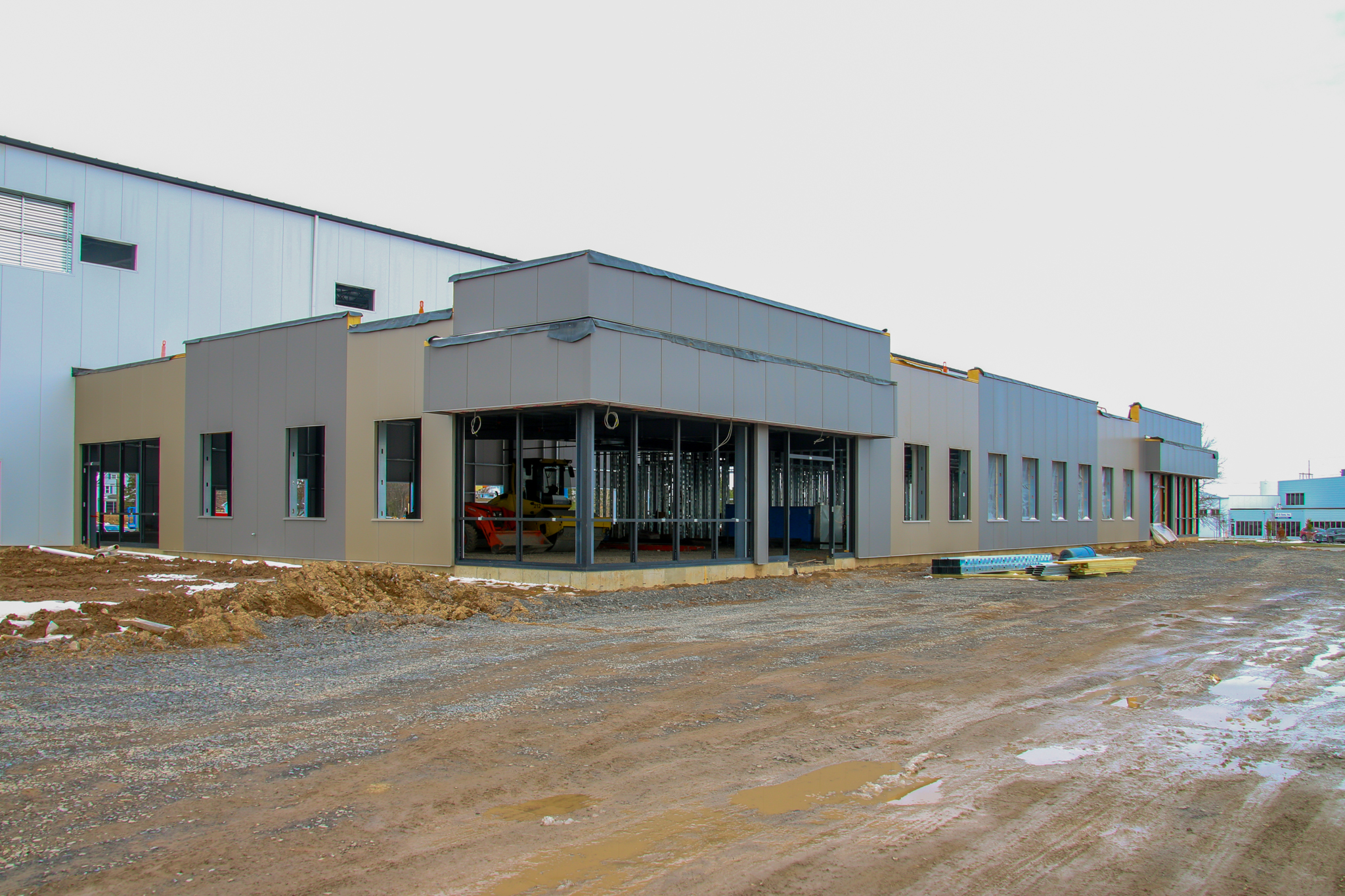
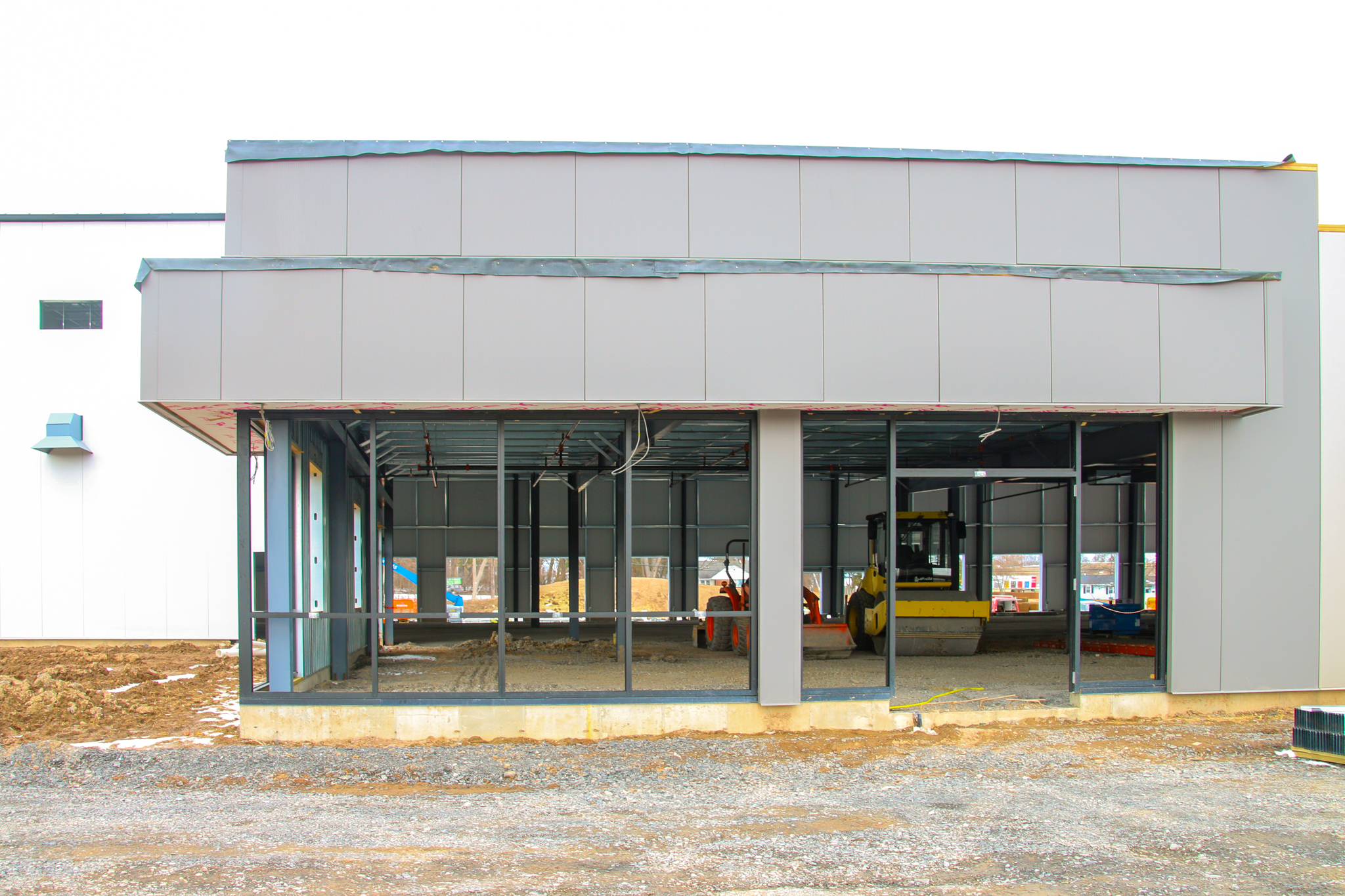
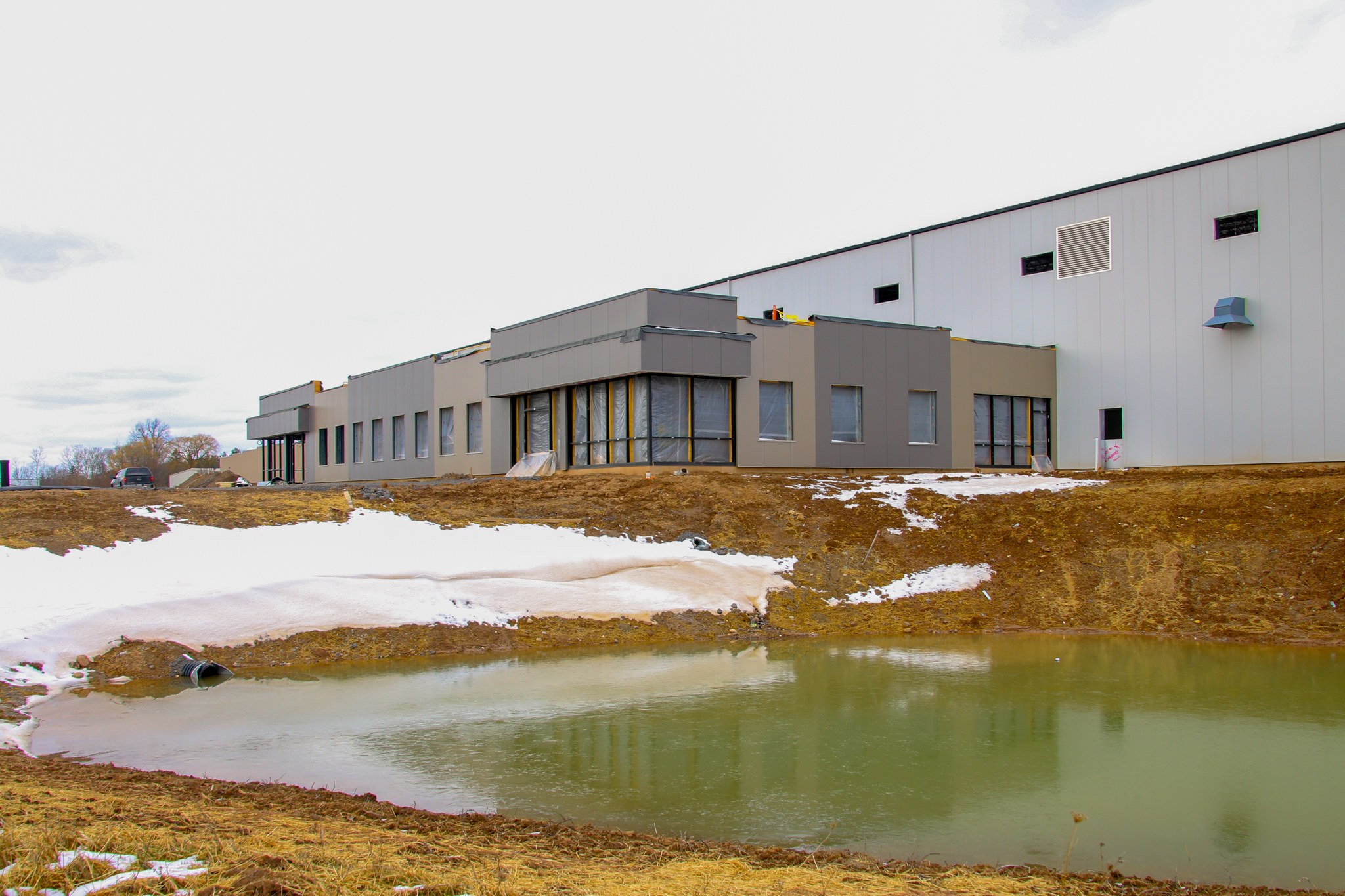
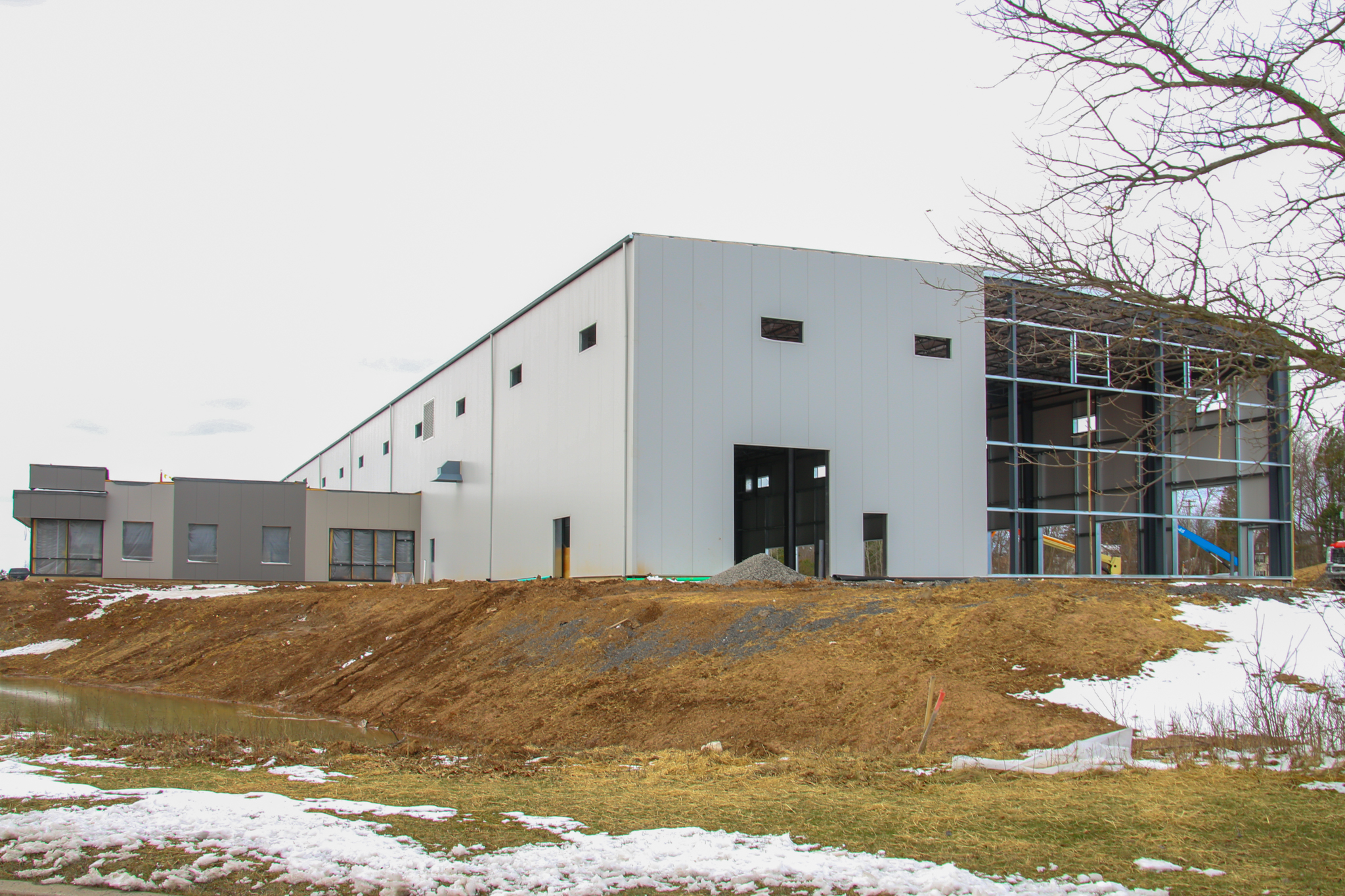
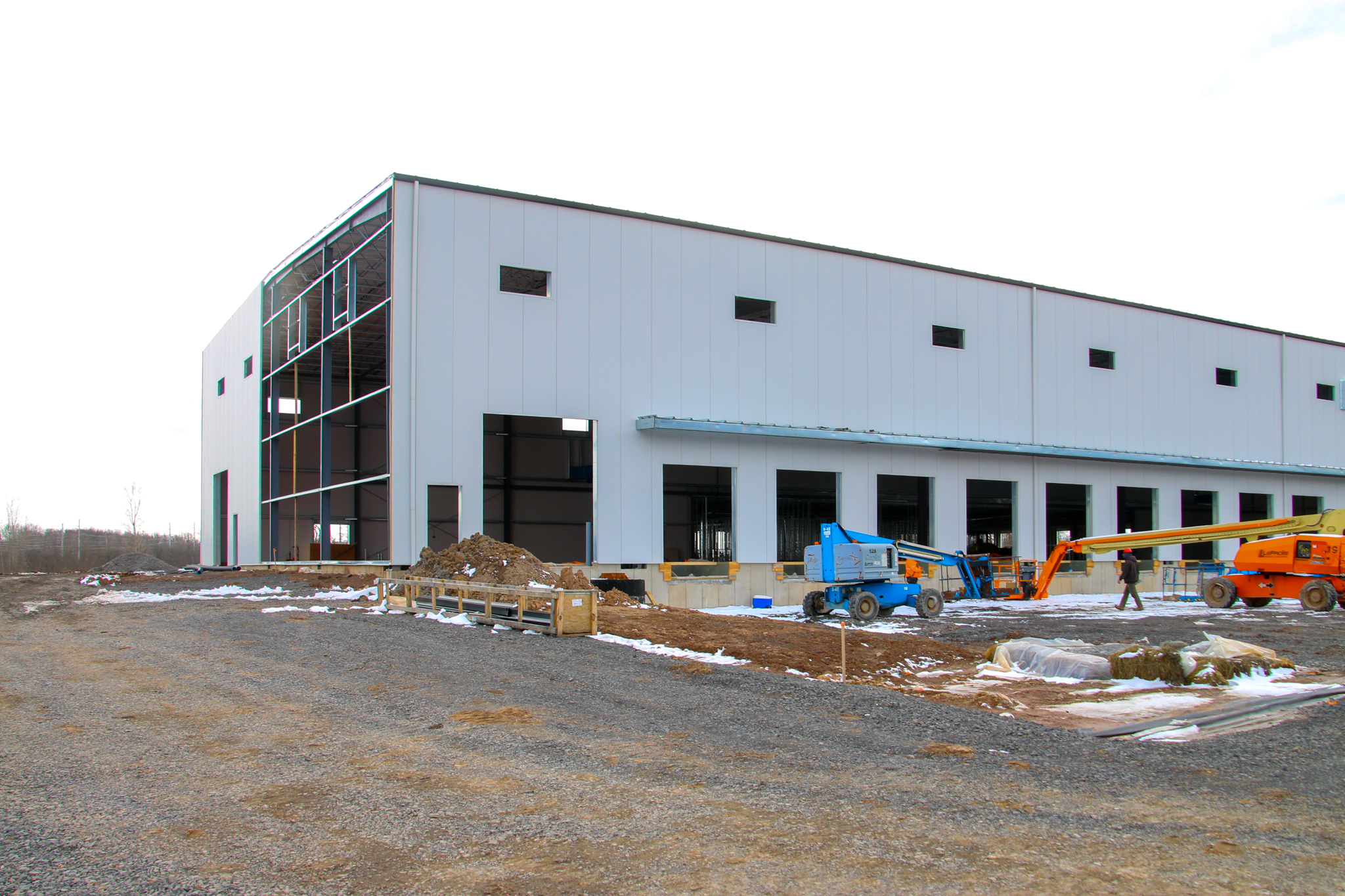
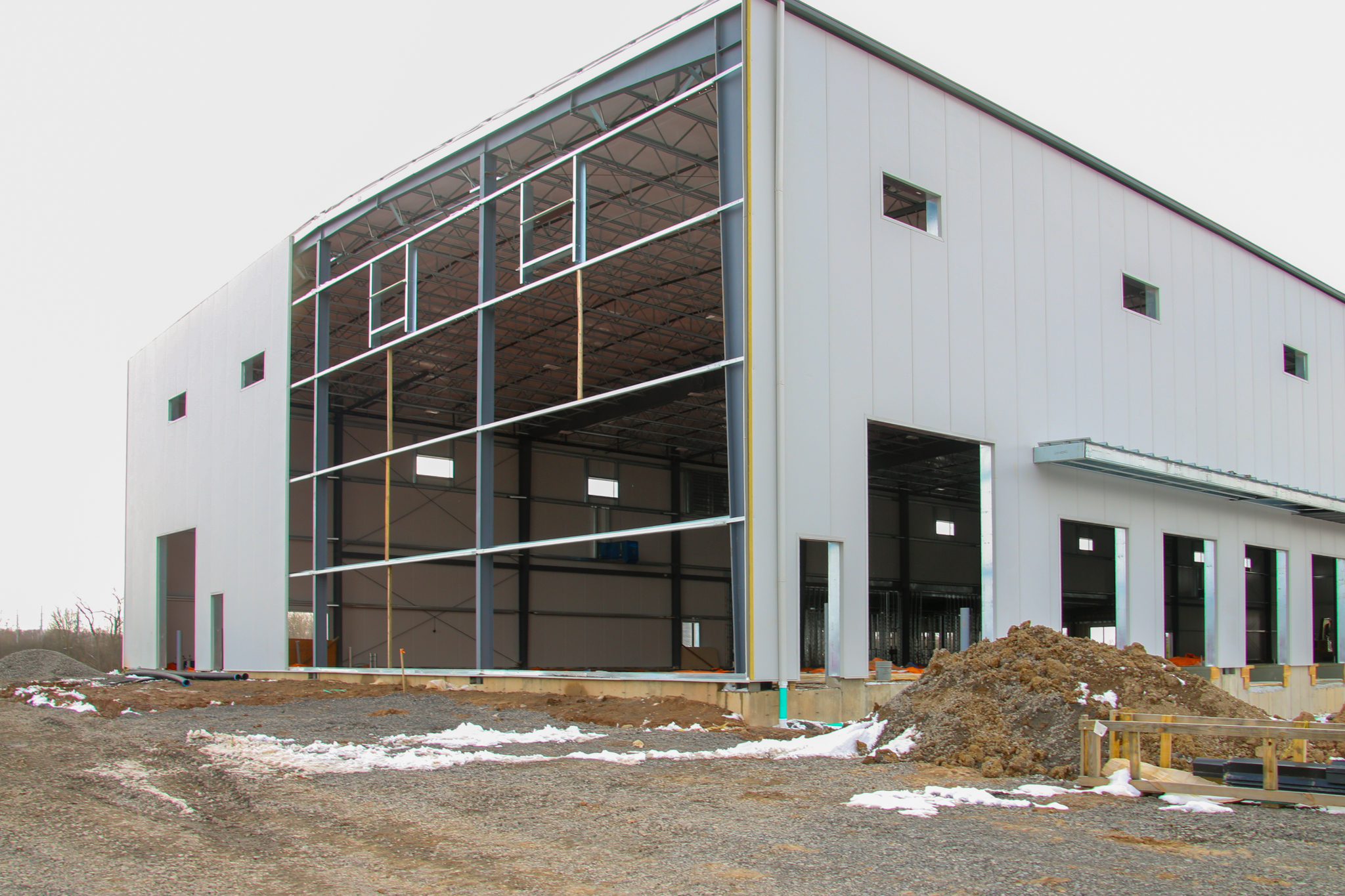
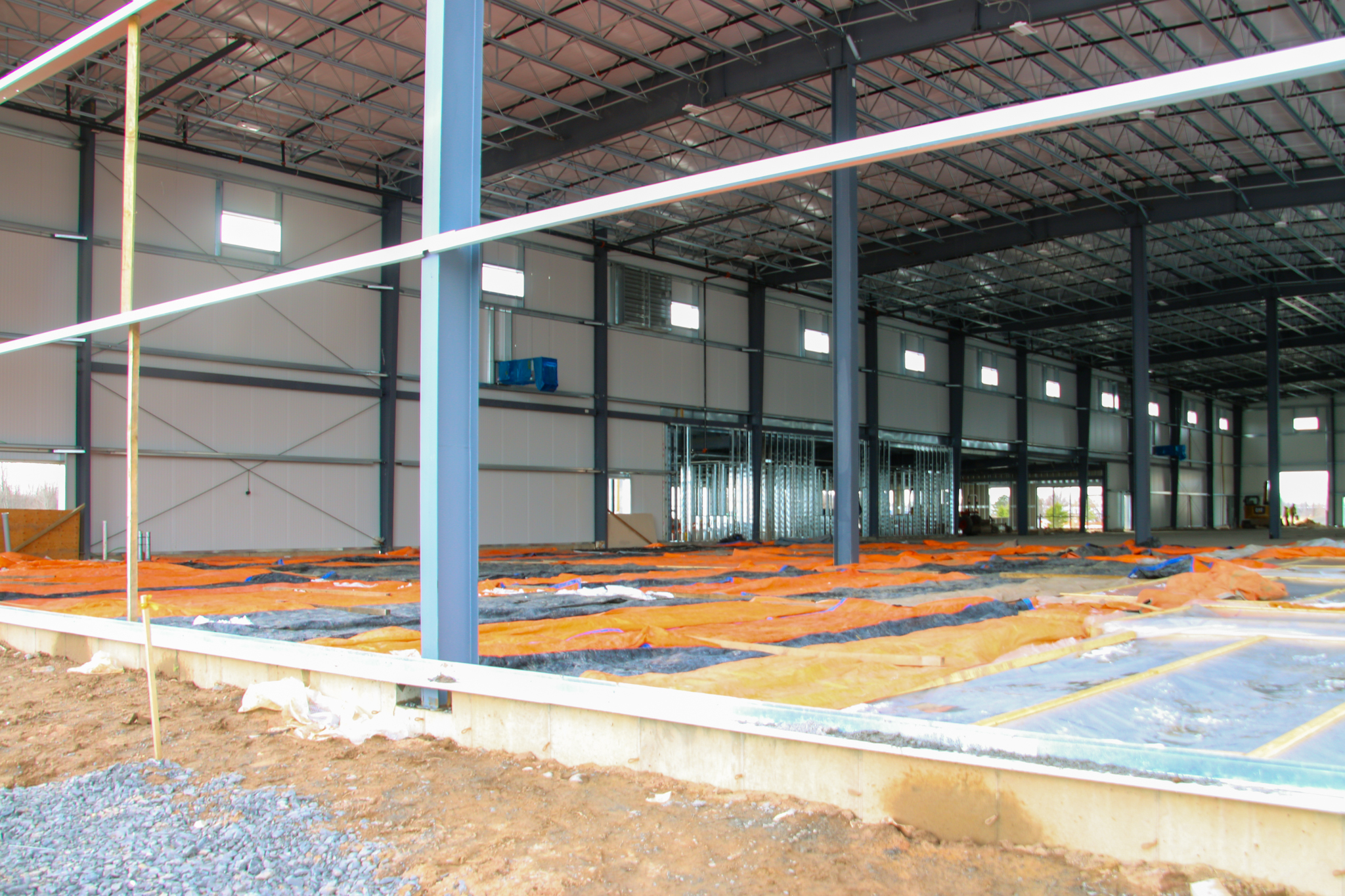
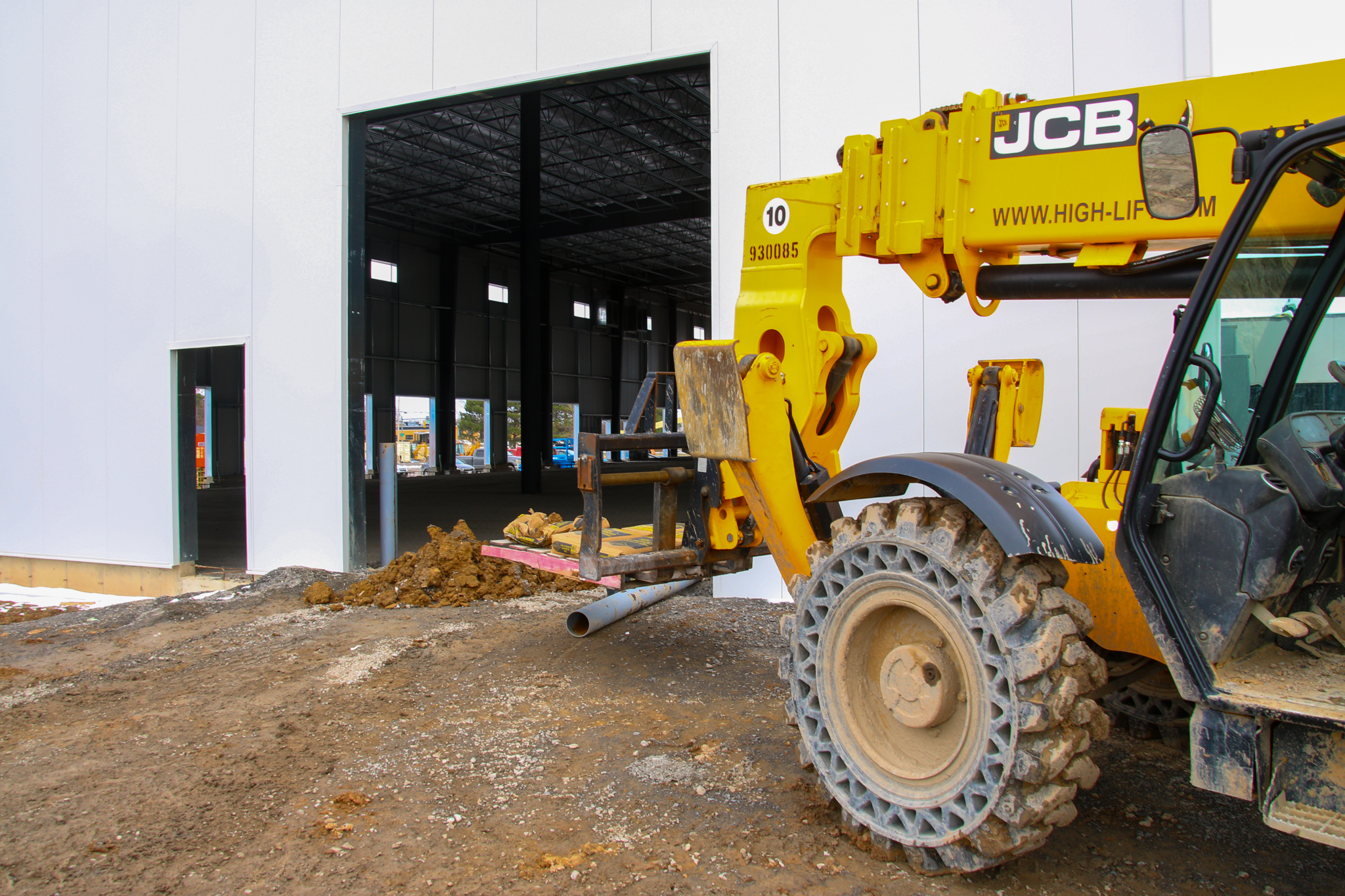
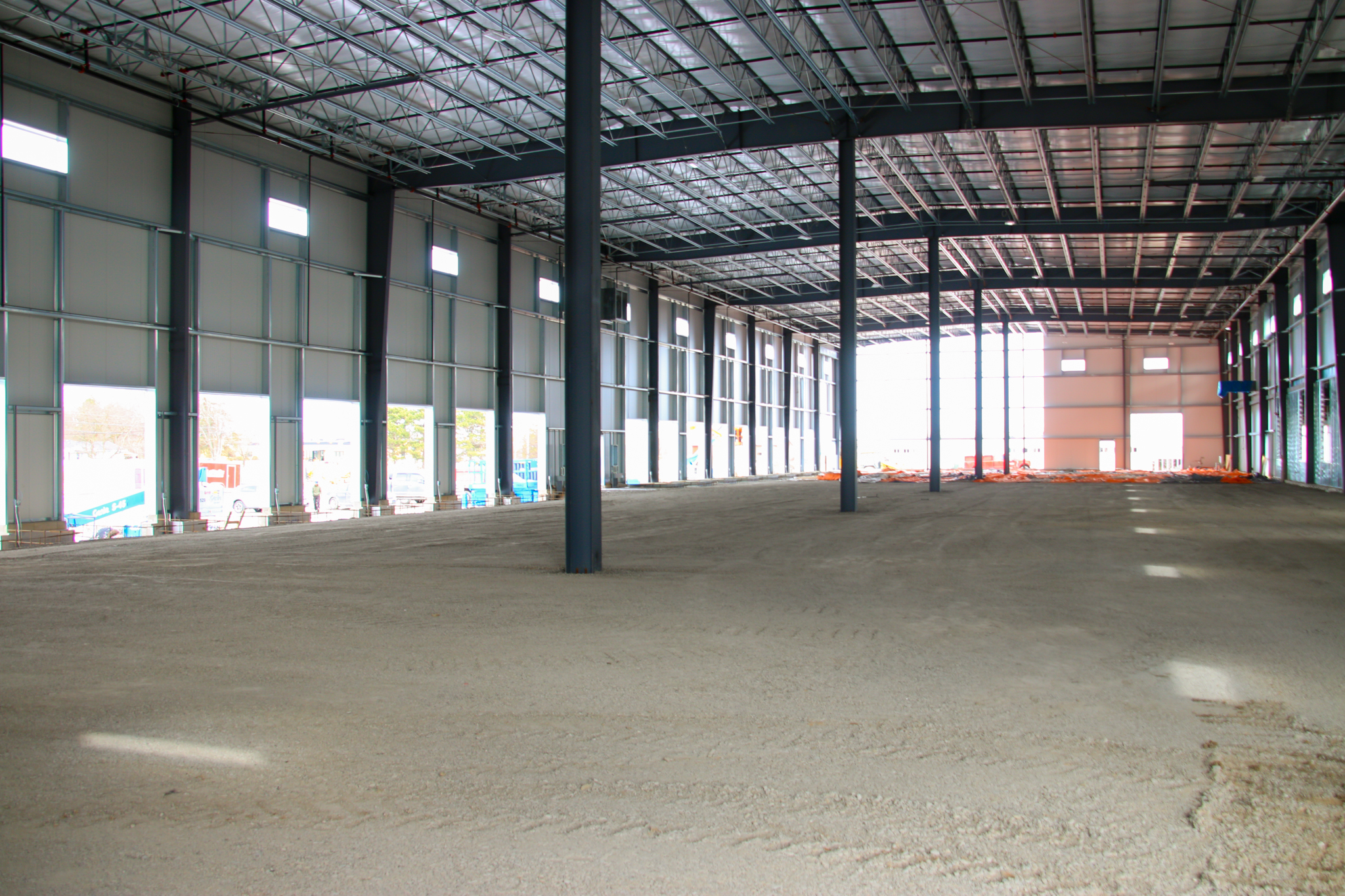
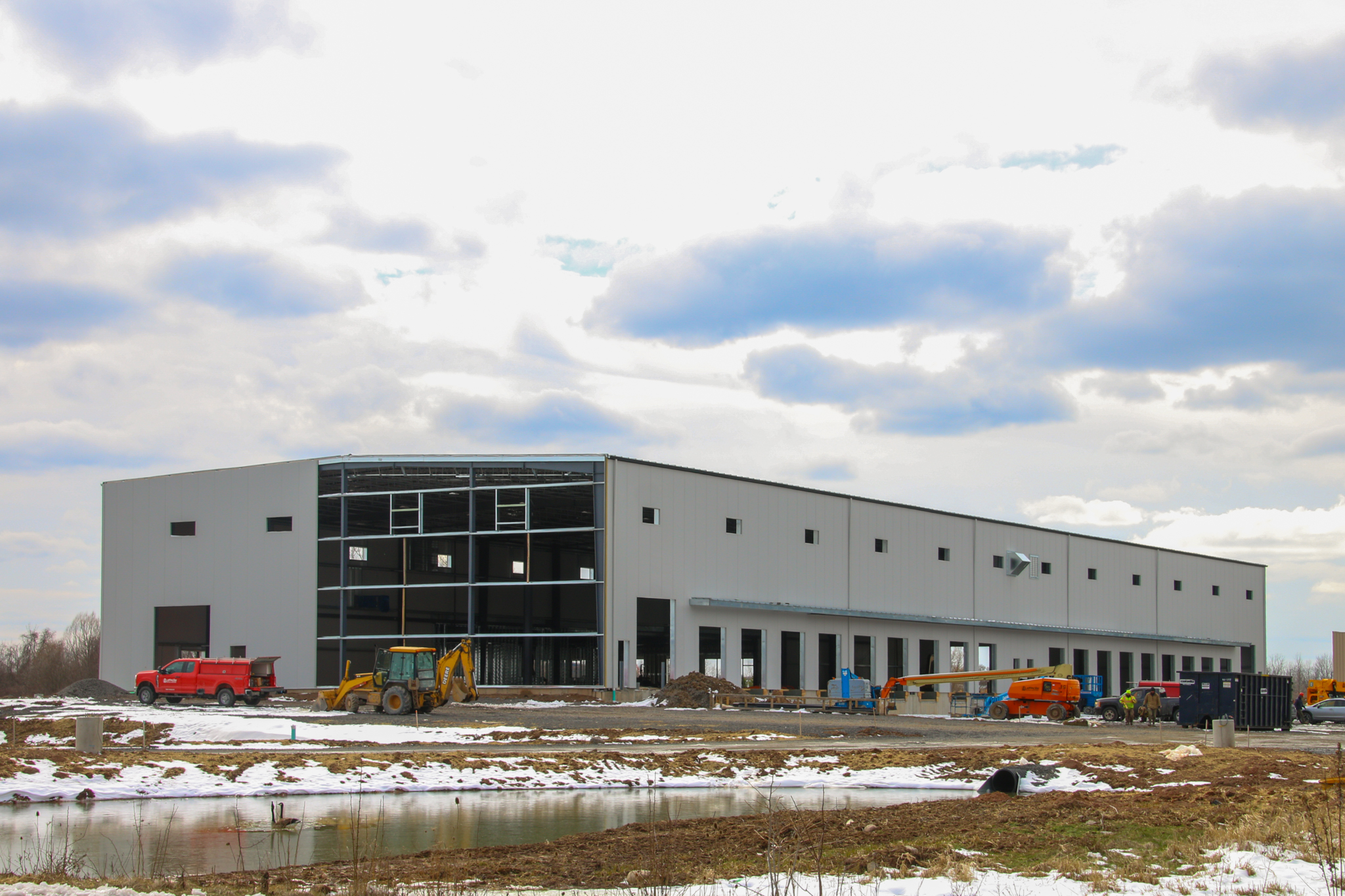
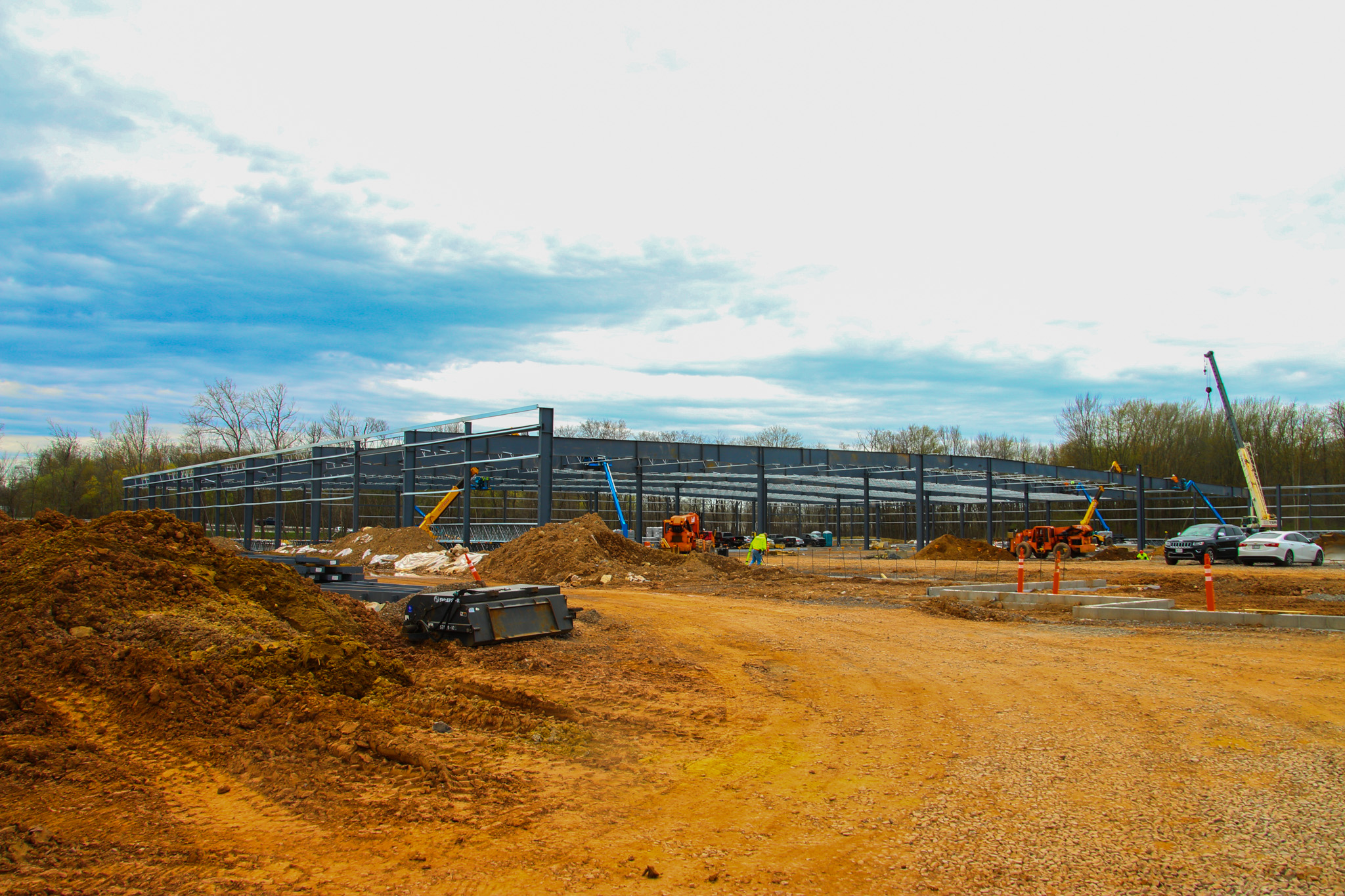
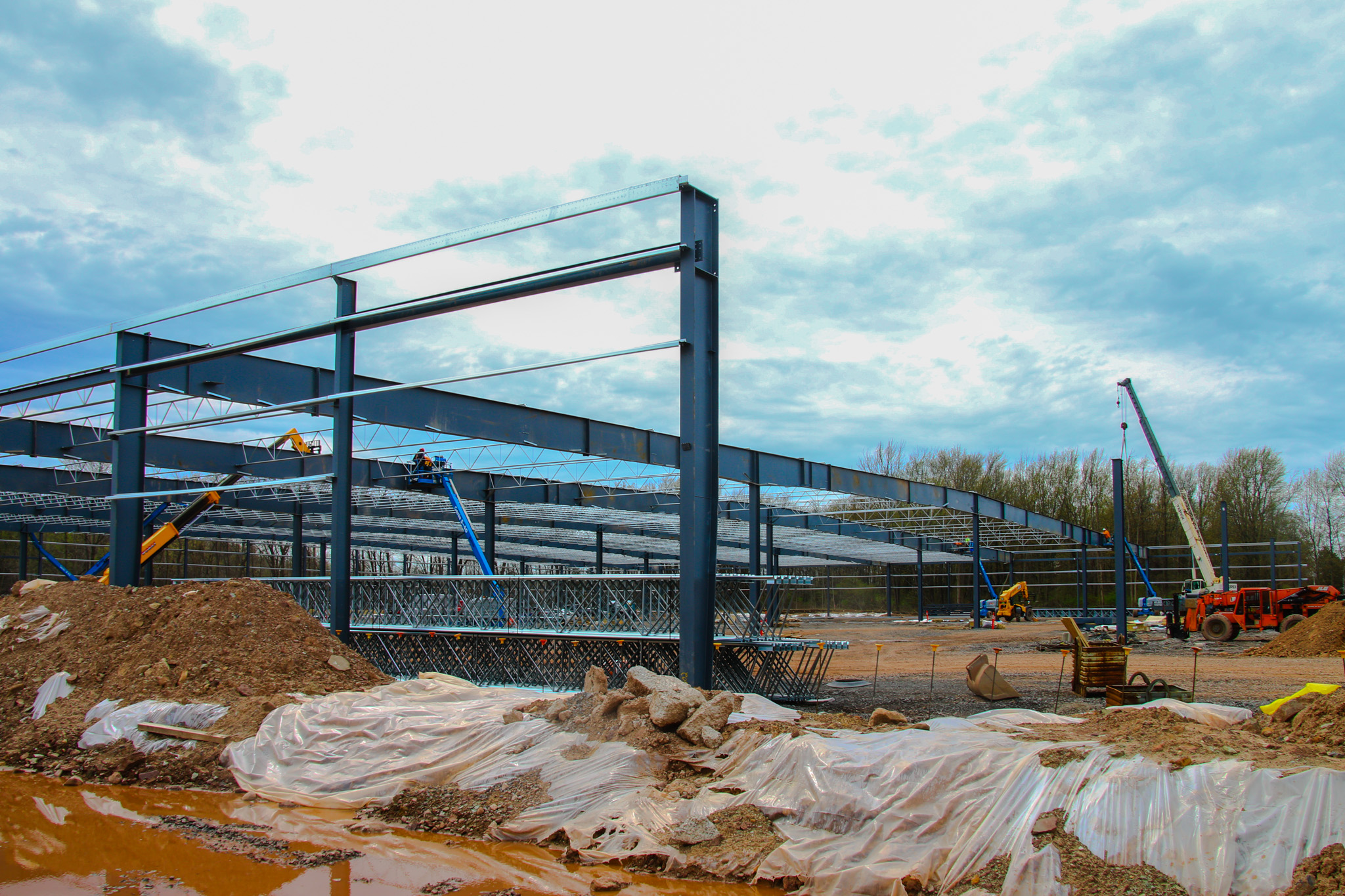
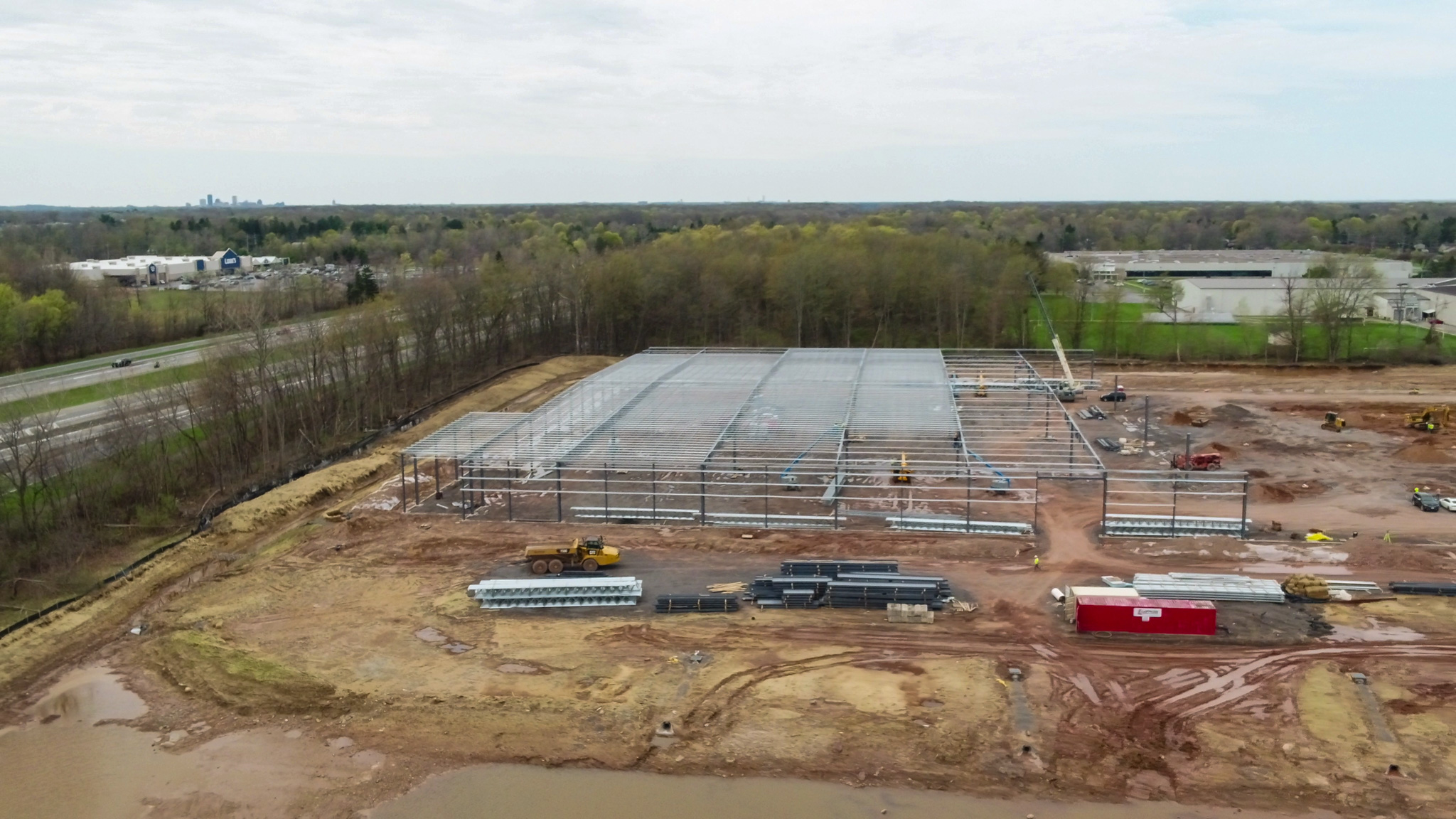
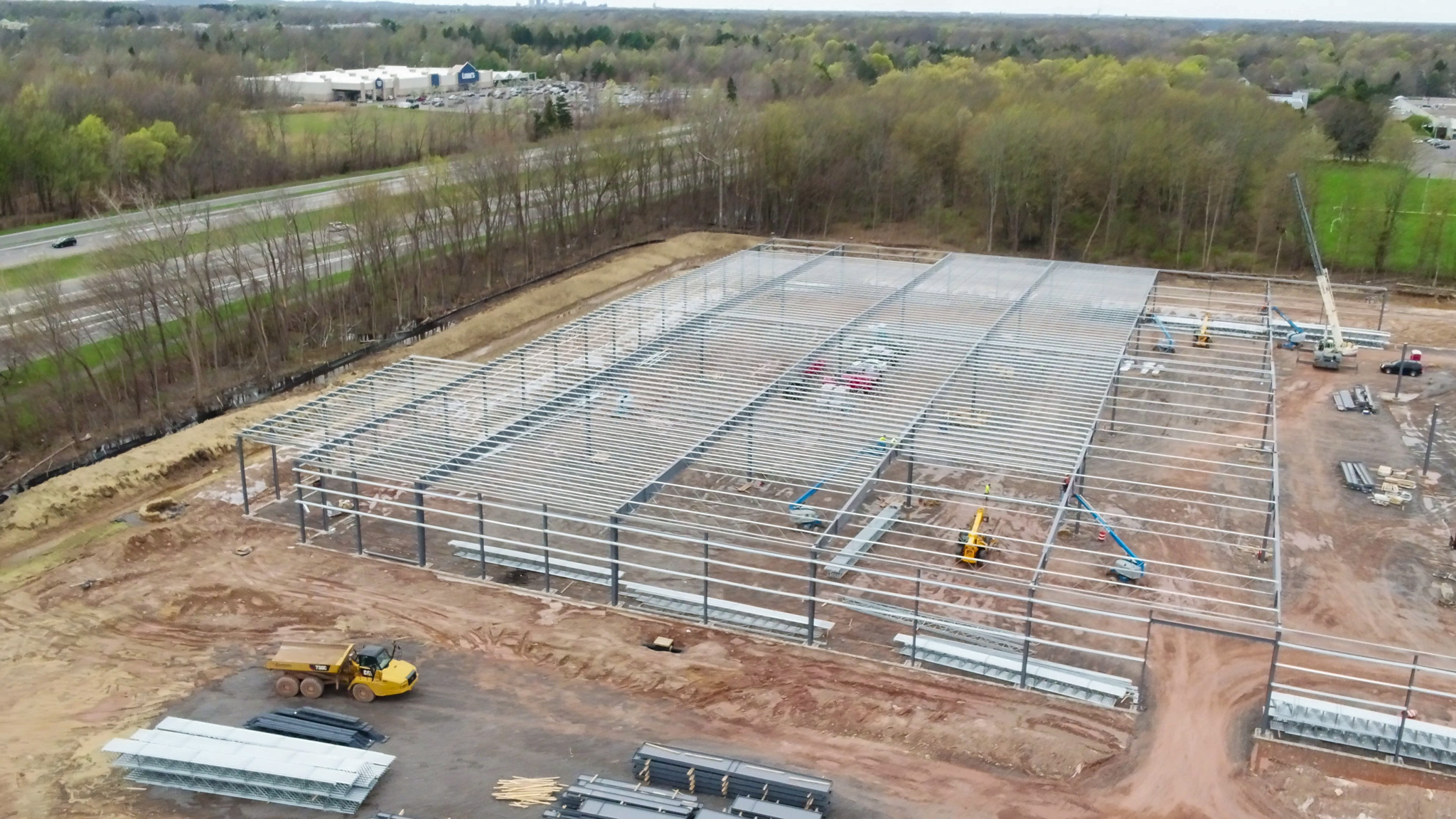
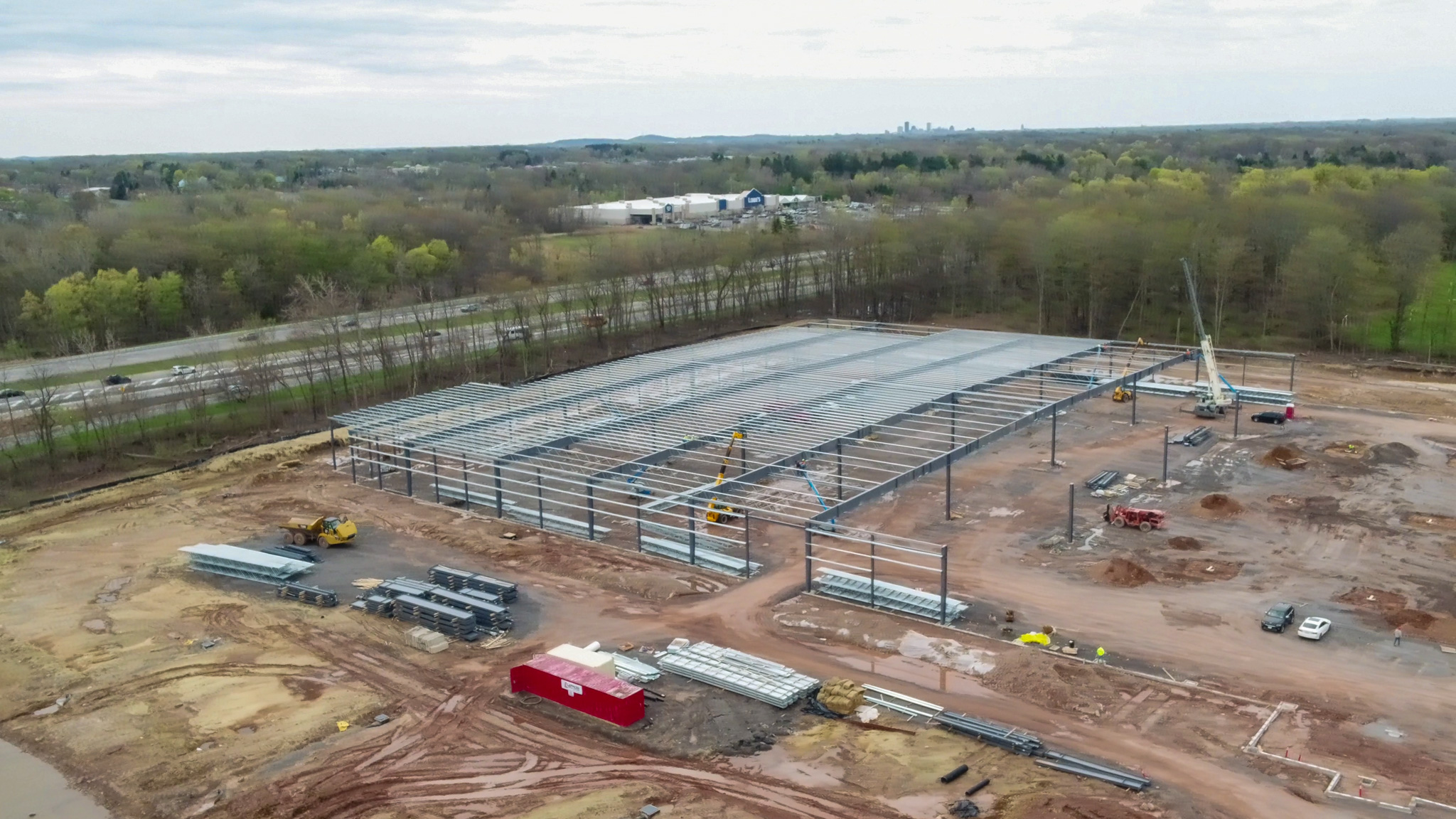
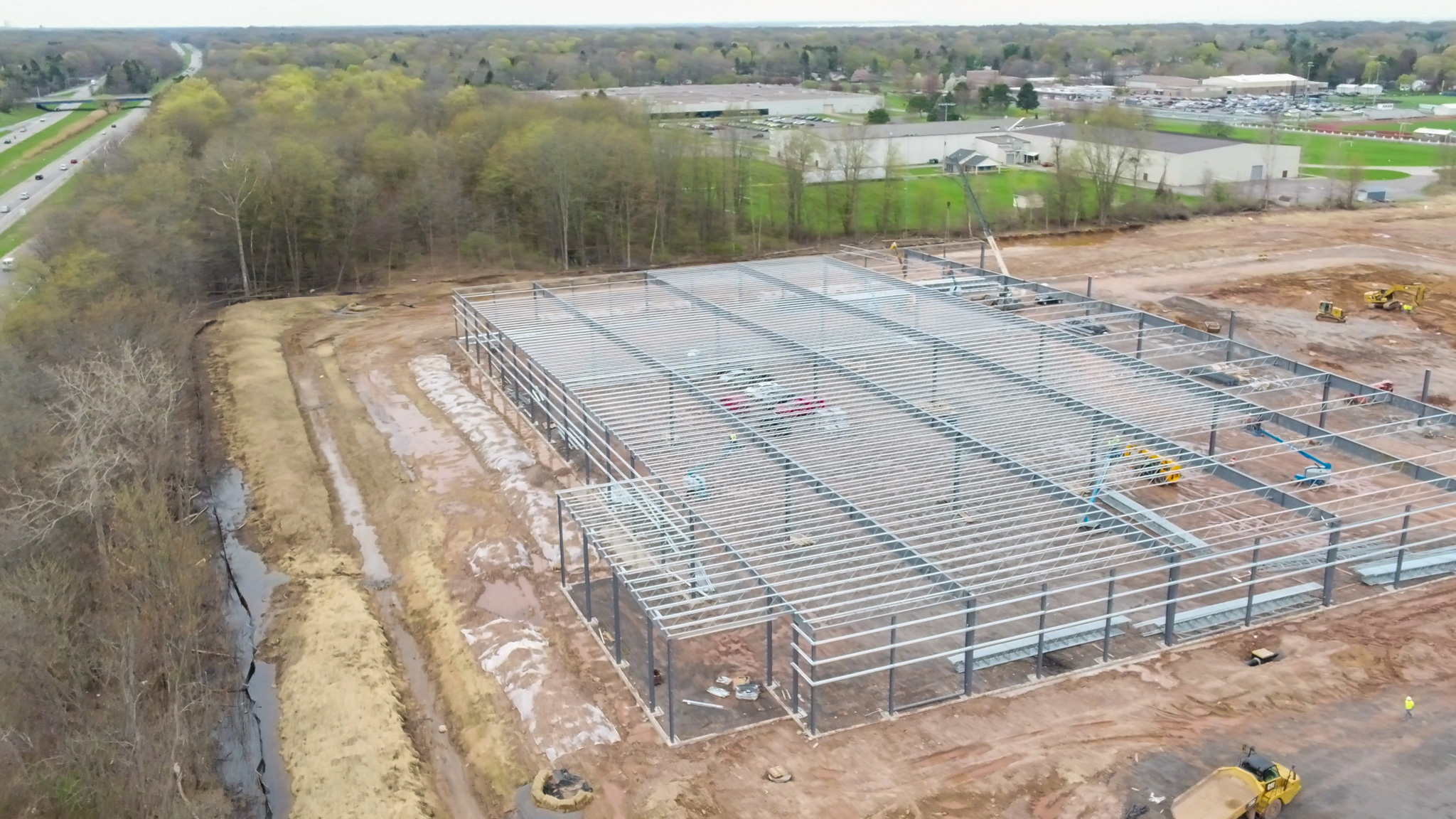
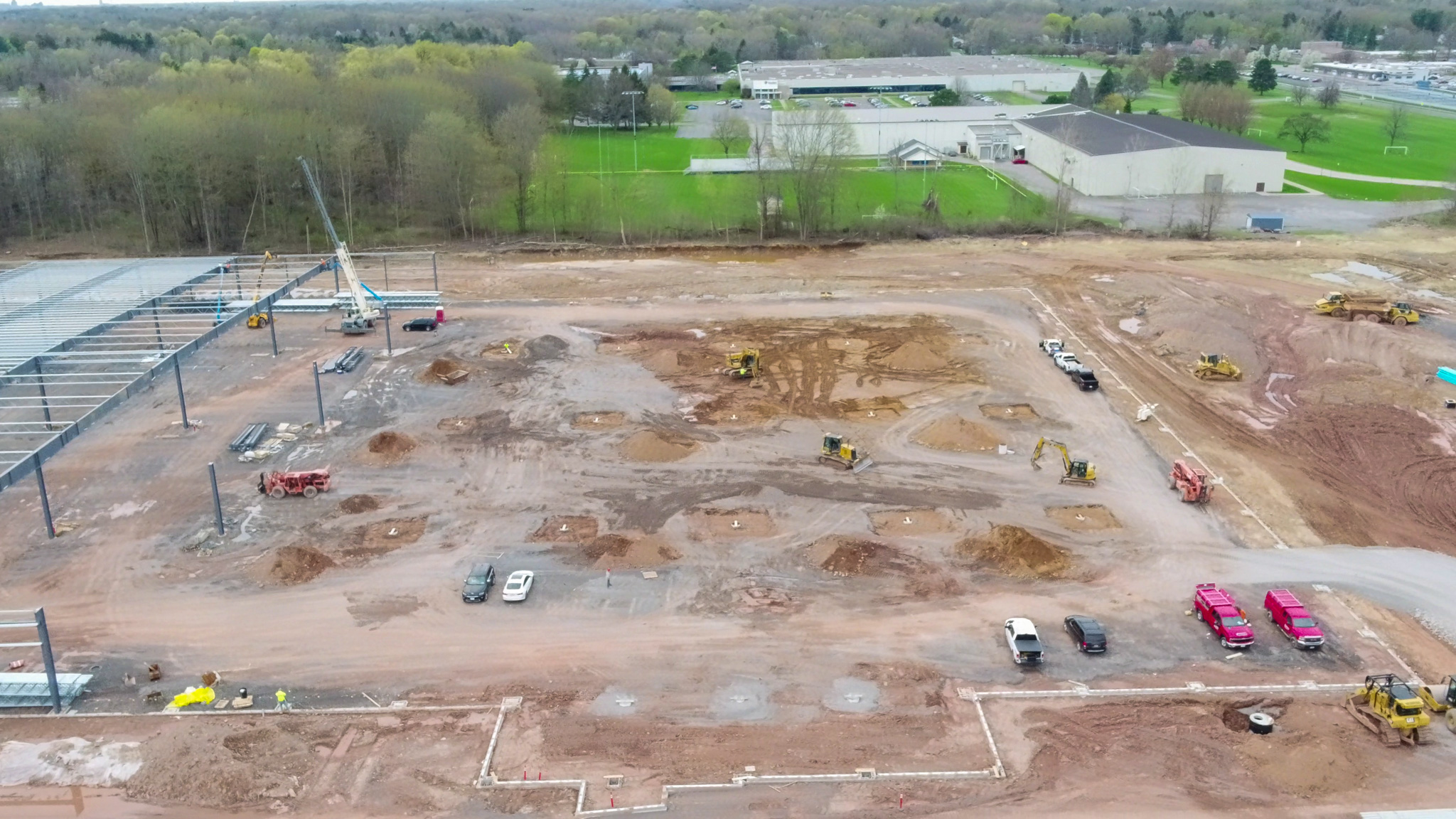
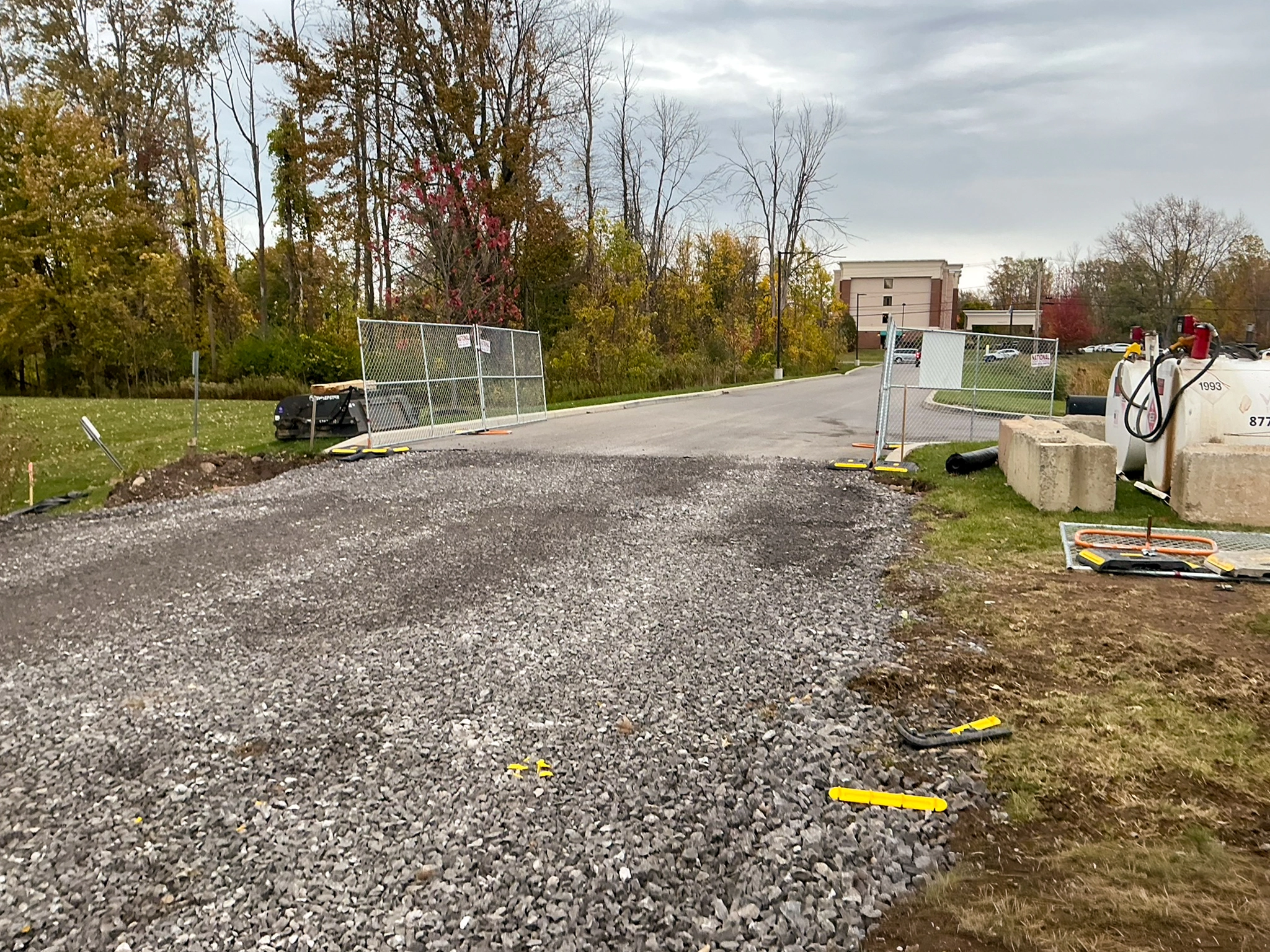
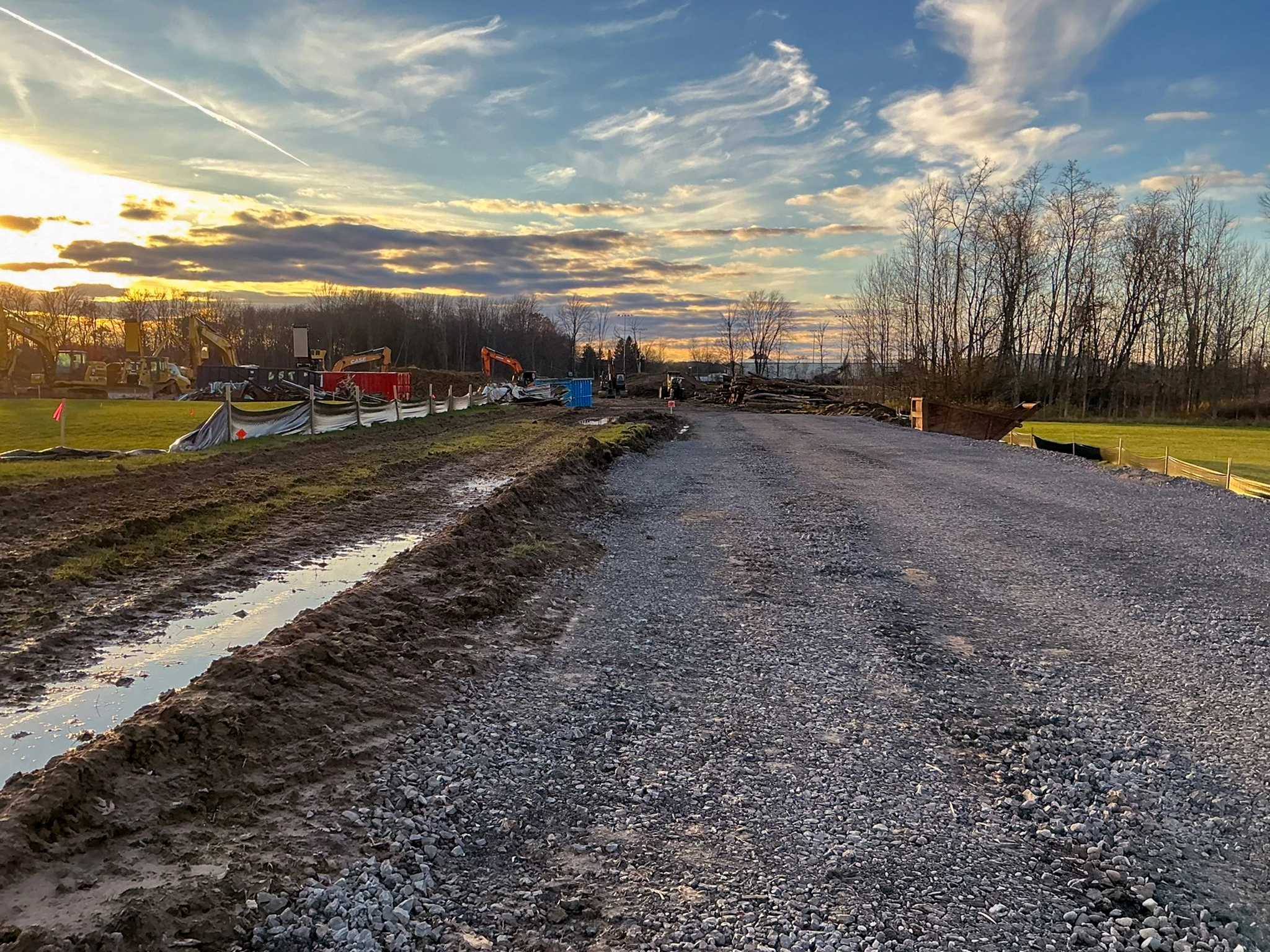
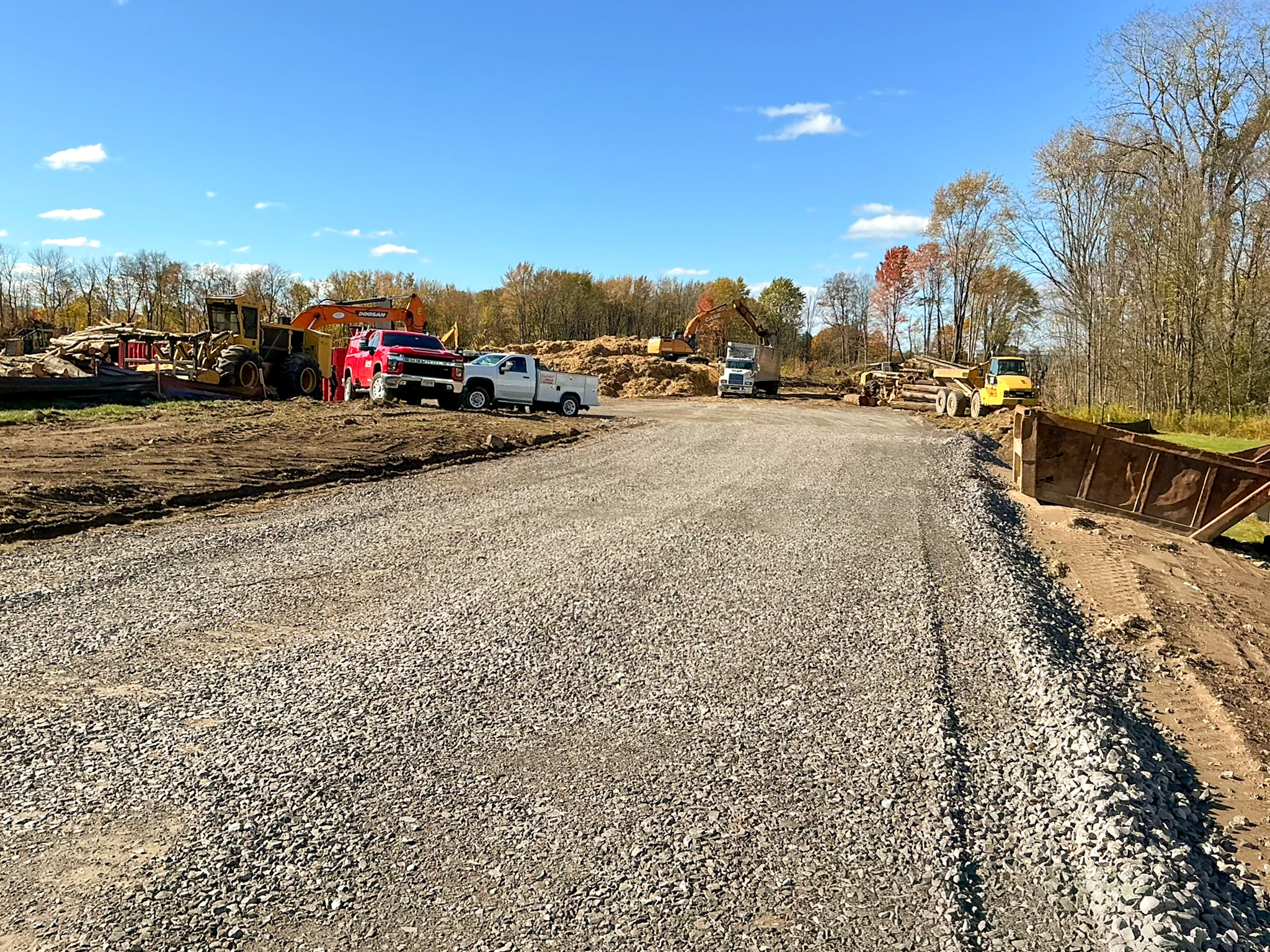
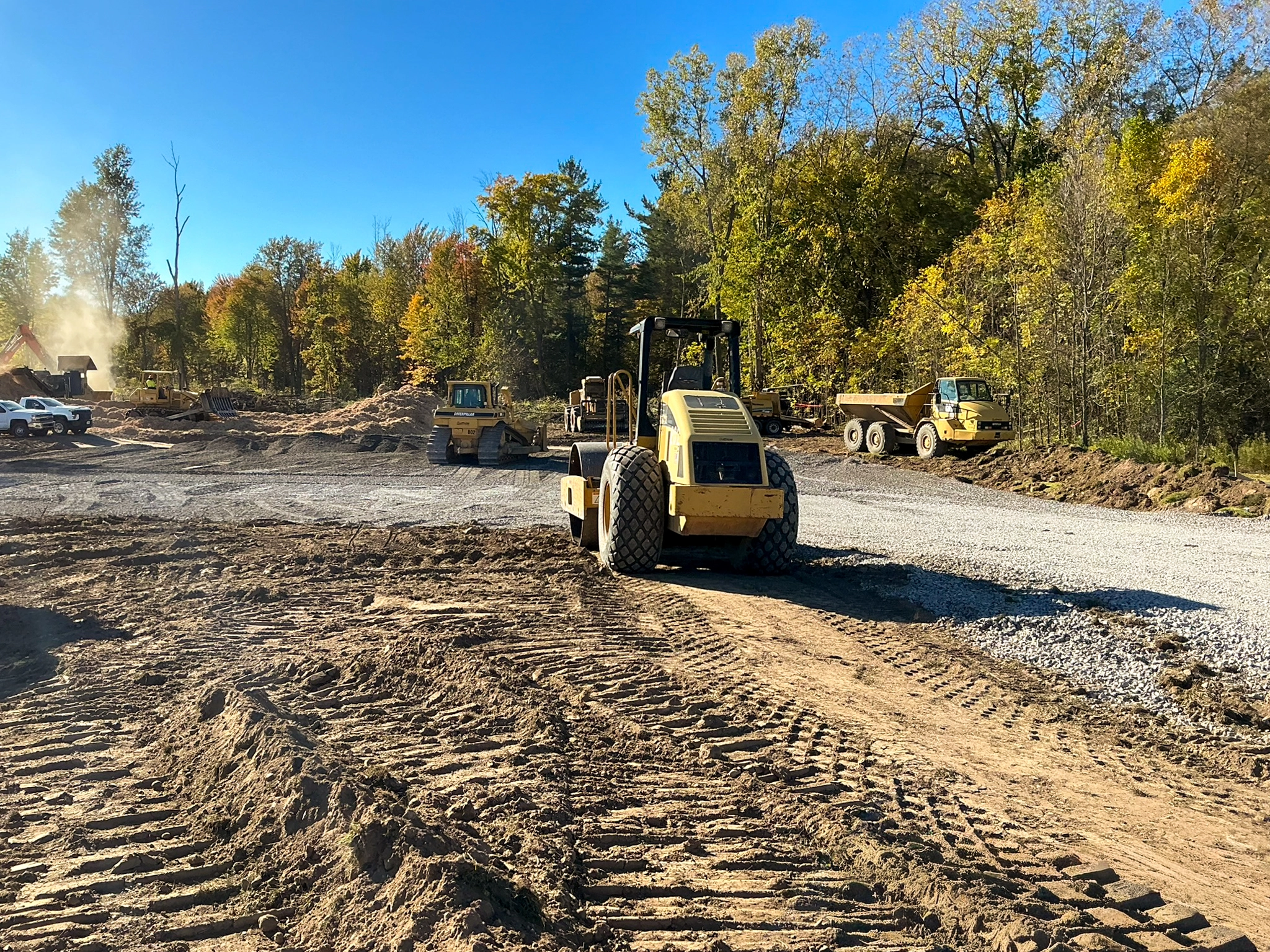
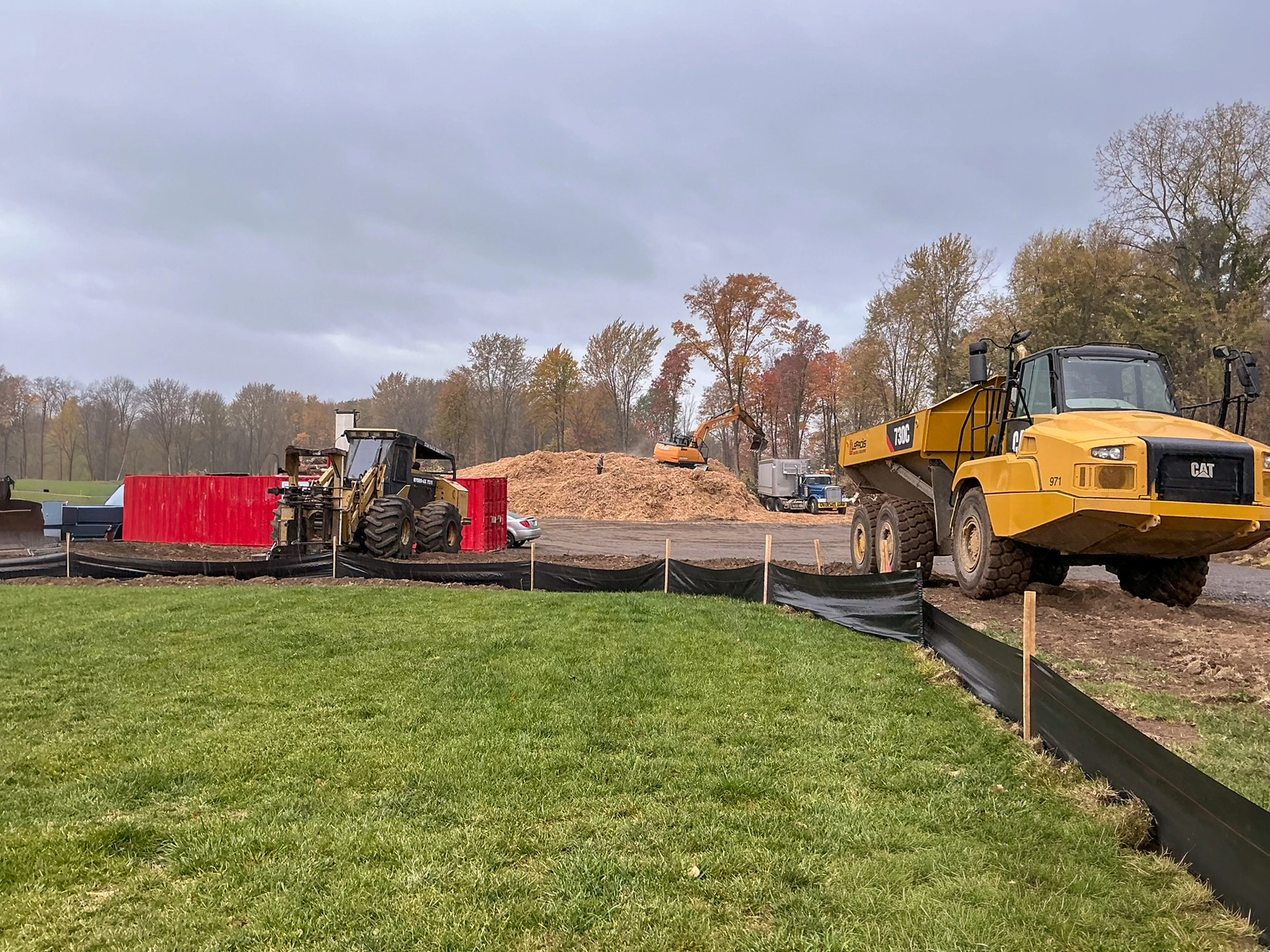
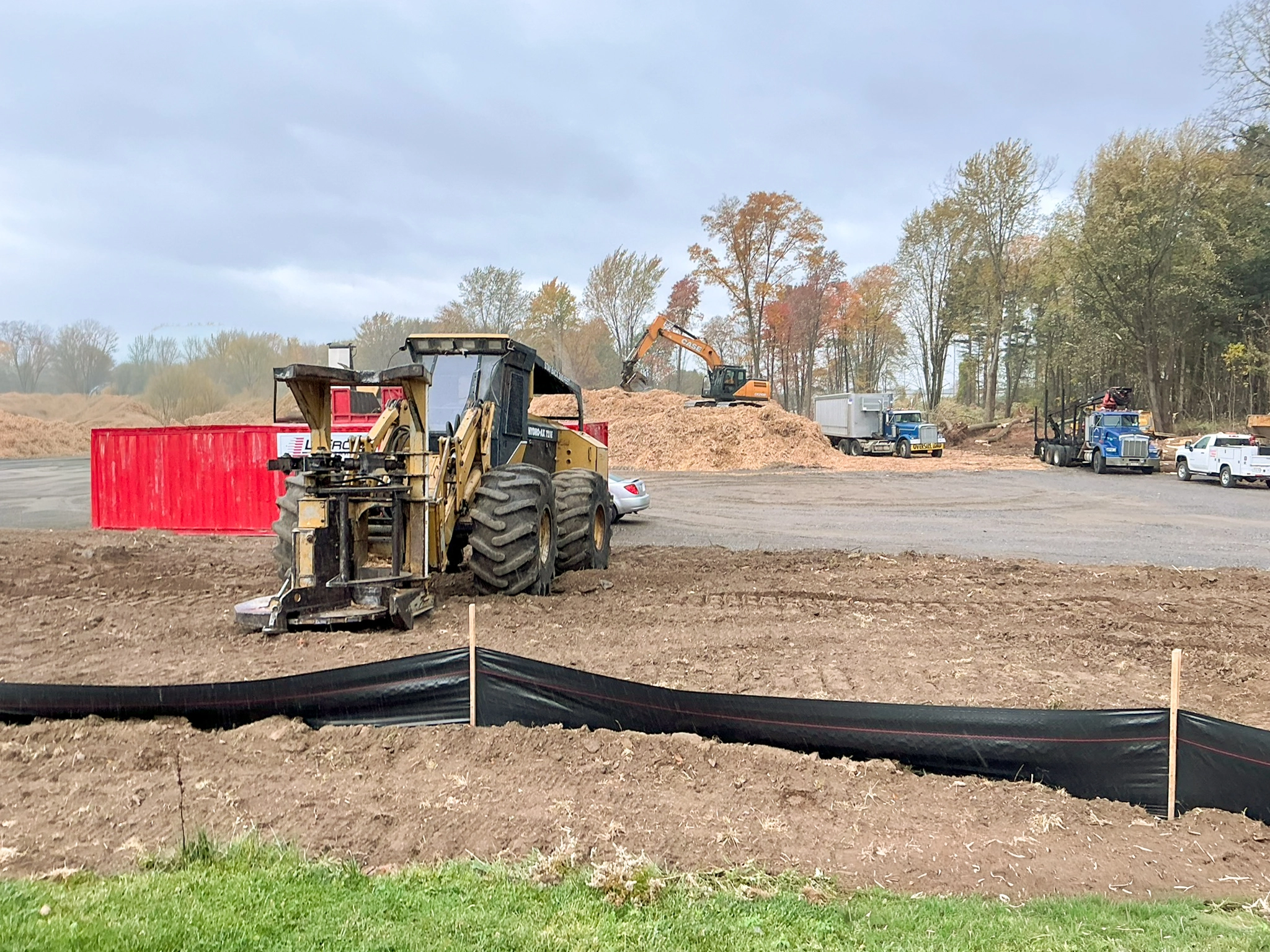
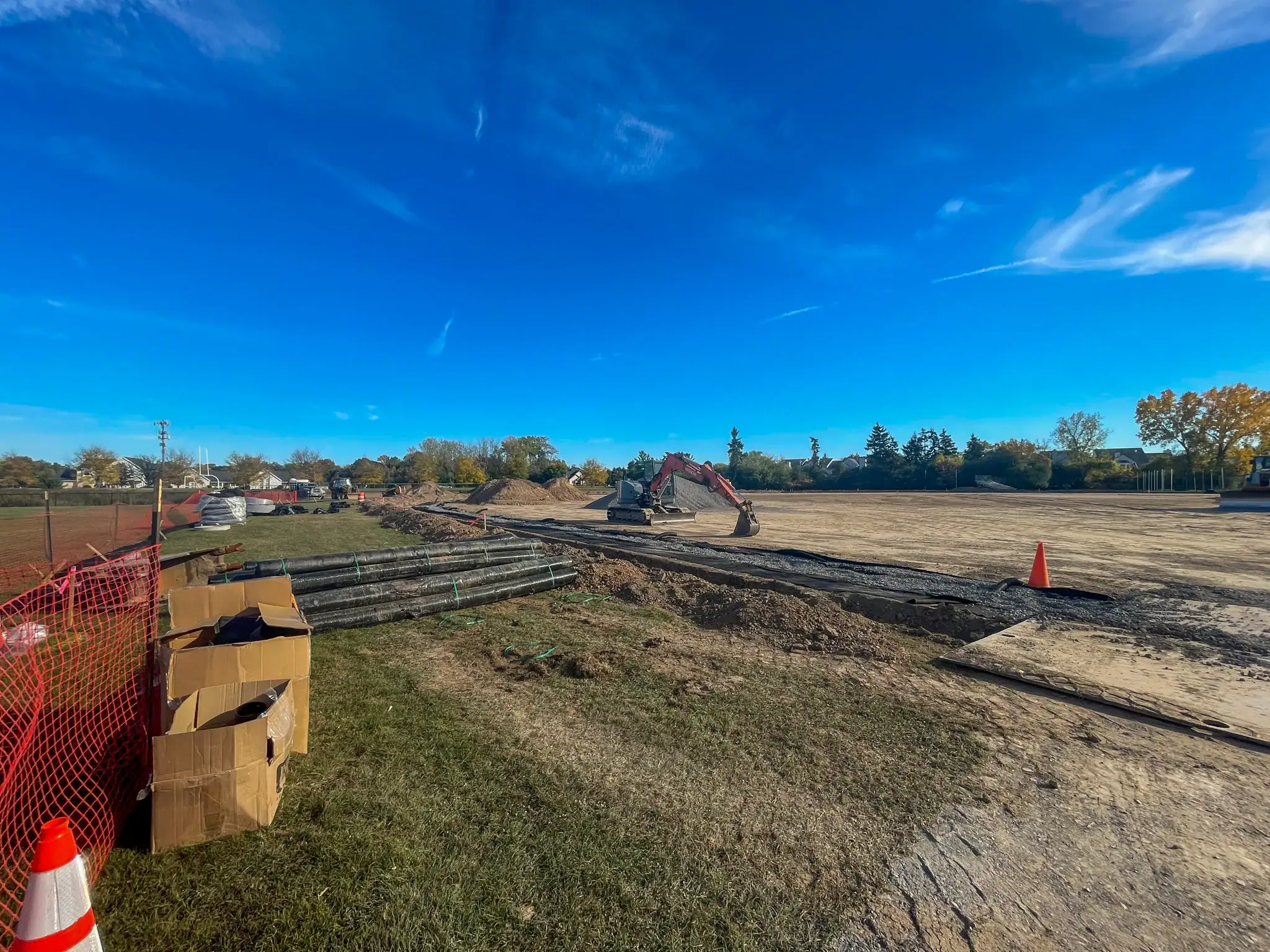
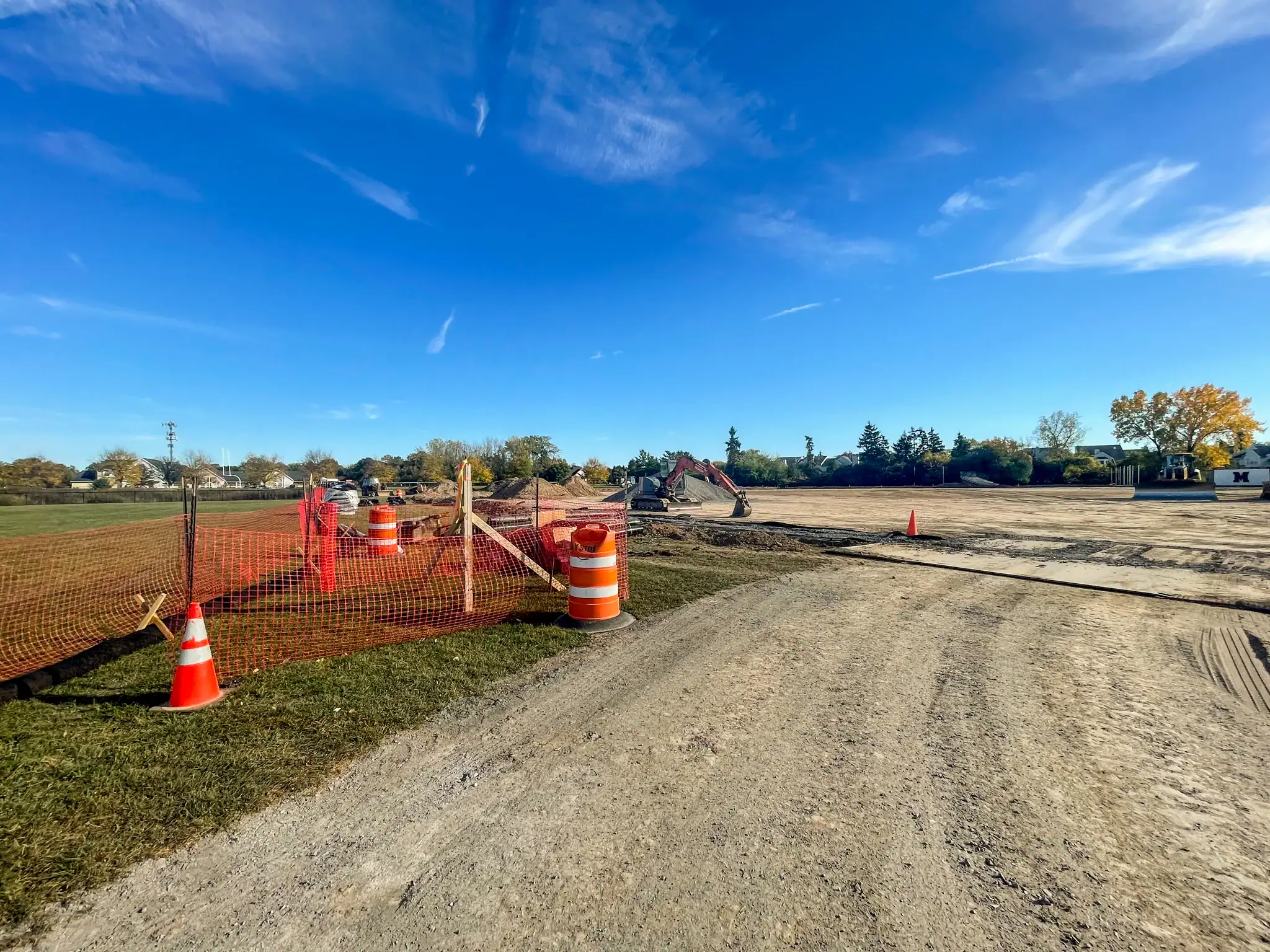
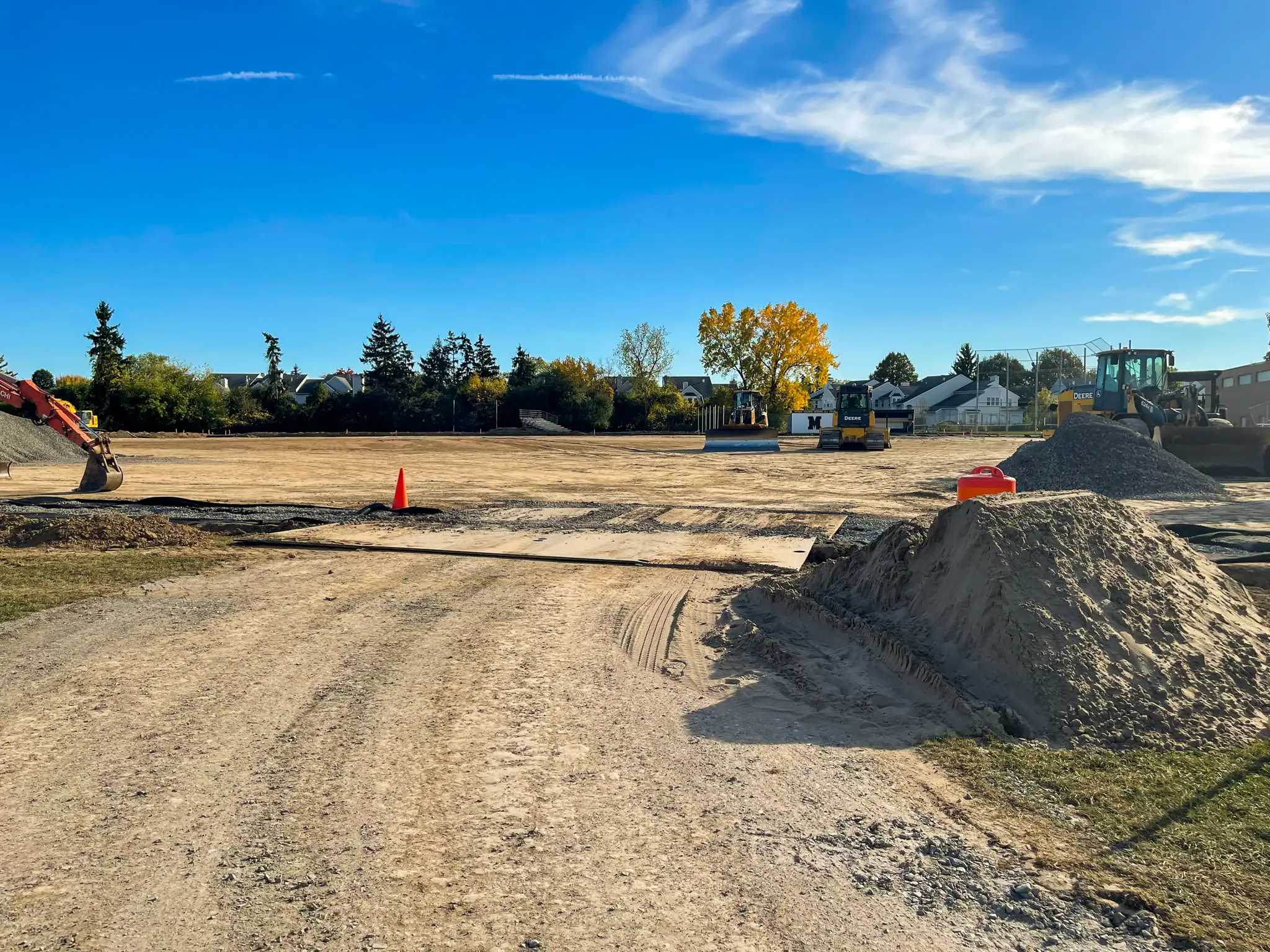
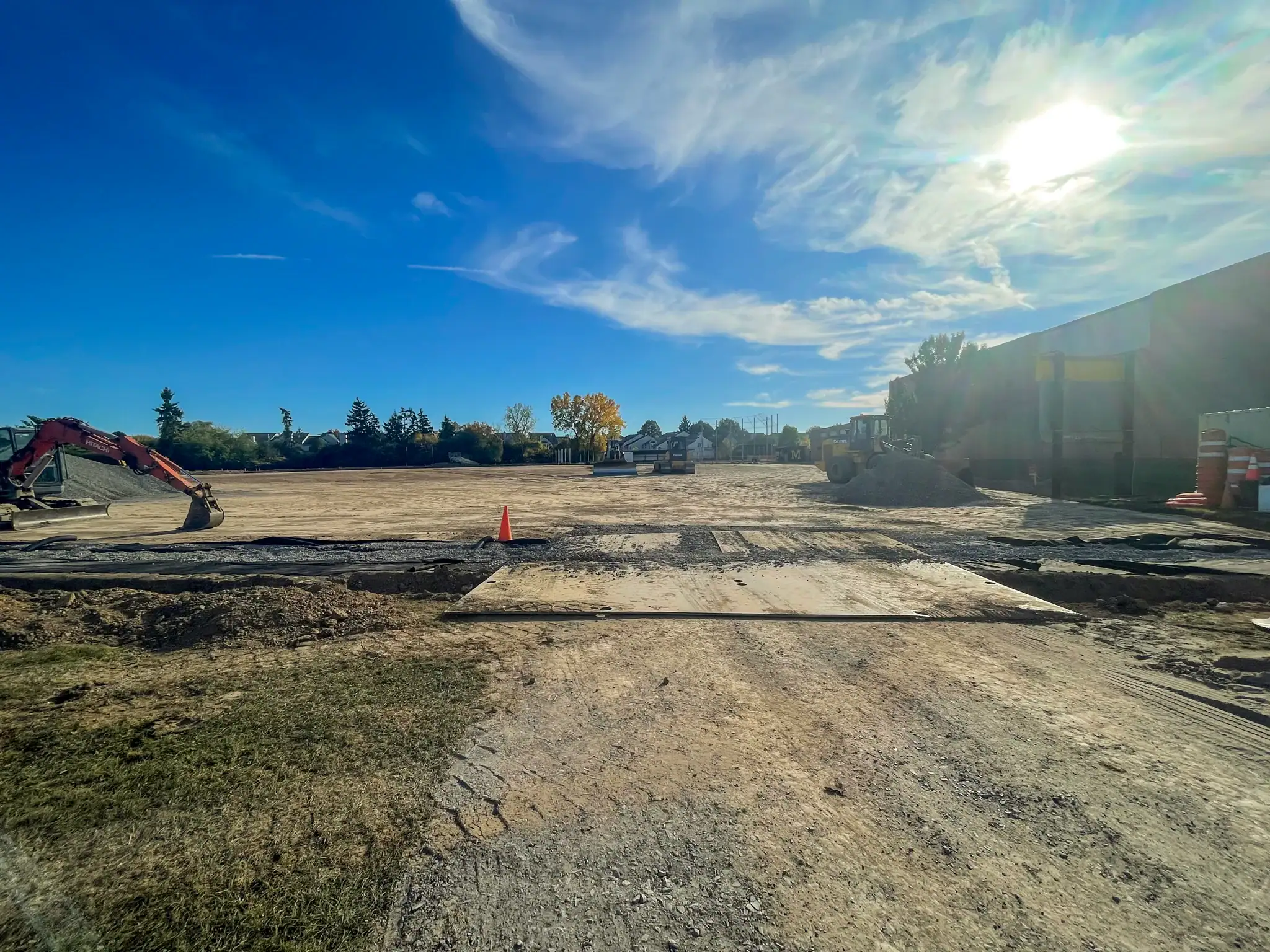
Exterior view of the XC International facility under construction in Chili, New York, showing the main building, unfinished entry structure, and surrounding site conditions near the stormwater management area.

XC International

Rochester International Commerce Center, Chili, NY

Client: XC International, LLC
Construction Completion: Spring 2026

Project Services: Land Surveying, Civil Engineering, Site Planning, Landscape Architecture, Permitting and Approval Coordination, SWPPP Support, Construction Administration

Project Background

The XC International project at Lot A-R103 within the Rochester International Commerce Center represents an important investment in the company’s continued growth and long-term operational future in the Rochester region.

Costich Engineering has supported the project through multiple phases of development, providing land surveying, civil engineering, site planning, landscape architecture, permitting coordination, and construction-phase support. Working across disciplines helps create continuity from early site planning through final completion and positions the project to move efficiently toward occupancy.

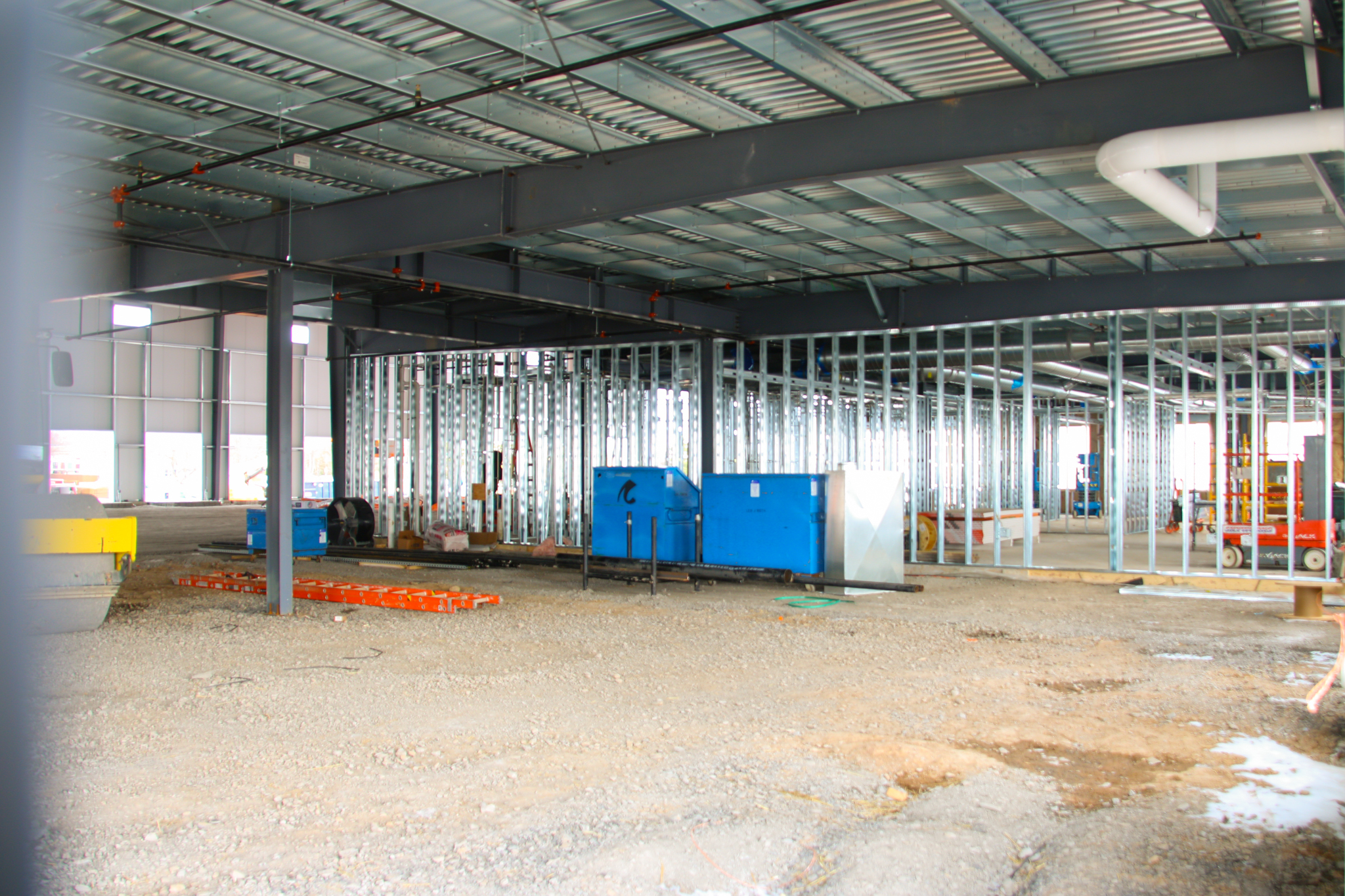
Now in the final stages of construction, the new facility is nearing completion as XC International prepares for move-in this spring. Projects like this do more than deliver a finished building. They create the infrastructure a business needs to support daily operations, strengthen long-term functionality, and establish a space aligned with the needs of the company as it moves forward.

For Costich, projects of this kind reflect the value of coordinated site development from concept through closeout. By bringing together technical services across the life of a project, our role is to help deliver sites that are practical, well-planned, and built to support long-term success.

Gallery

Costich Engineering Named 2026 Greater Rochester Chamber MWBE Award Honoree

Costich Engineering Named 2026 Greater Rochester Chamber MWBE Award Honoree

ROCHESTER, NY (March 17, 2026) Costich Engineering, Land Surveying & Landscape Architecture, D.P.C. is pleased to announce that it has been named a 2026 Greater Rochester Chamber MWBE Award honoree, recognizing the fastest-growing, privately owned minority- and woman-owned business enterprises in the Finger Lakes Region. Greater Rochester Chamber of Commerce will reveal the second annual MWBE Award rankings at the MWBE Awards celebration on Thursday, June 11, in downtown Rochester.

Sarah Costich, President and CEO of Costich Engineering, said, “We are honored to be recognized by Greater Rochester Chamber as a 2026 MWBE Award honoree. This recognition reflects the dedication of our team, the trust of our clients, and the strong relationships that have supported our growth over the years. As a Rochester-based firm, it is especially meaningful to be recognized within the regional business community we are proud to serve. Our continued growth has been driven by a commitment to high-quality work, responsive service, and a collaborative approach that helps our clients and communities move forward.”

To be eligible for the Greater Rochester Chamber MWBE Awards program, companies must be privately owned, headquartered in the nine-county Greater Rochester region, have a minimum of $250,000 in revenue in each of the three most recent fiscal years, and have a minimum of 51% ownership, operation, and control by minorities and/or women.

Bob Duffy, President and CEO, Greater Rochester Chamber of Commerce, said, “Congratulations to Costich Engineering for earning their spot as a 2026 Greater Rochester Chamber MWBE Award honoree. As one of the fastest growing MWBEs, this honor showcases its role in shaping our regional community and building a better community for us all. This year’s list of MWBE Award honorees is a diverse assortment of companies that continue to innovate and drive our region forward. Collectively, these organizations create thousands of jobs and add close to $450 million in revenue. We look forward to celebrating together in June and connecting to propel future growth and opportunity.”

Costich Engineering, Land Surveying & Landscape Architecture, D.P.C. is a third-generation, WBE-certified multidisciplinary firm based in Rochester, New York. The firm provides civil engineering, land surveying, landscape architecture, and environmental services to public- and private-sector clients throughout the Greater Rochester region and beyond. With a reputation for technical excellence, responsiveness, and long-term client relationships, Costich Engineering supports projects that strengthen infrastructure, guide development, and enhance communities across Western New York.

About Greater Rochester Chamber of Commerce
Greater Rochester Chamber of Commerce is the nine-county Finger Lakes Region’s one-stop shop for business support, influence, and community connection. Rooted in advocacy, compliance, talent, and belonging, our organization combines an unmatched depth and breadth of business support with the agility and dedication to turn possibility into progress and accelerate opportunity and action. We’re committed to providing our 1,300+ members the connections, resources, and influence they need to move business forward, faster. Here, you’re in good company.


McAlpin Industries

McAlpin Industries Manufacturing Expansion in Webster NY

Publishers Parkway and Hard Road, Webster, NY

Client: McAlpin Industries Inc.
Construction Completion: 2030

Project Services: Civil engineering, grading, utilities, stormwater design, landscape architecture, permitting support, and site plan coordination for phased construction of a large manufacturing warehouse facility

Project Background

Costich Engineering provided civil engineering, land surveying, and landscape architecture services for a phased manufacturing and warehouse expansion for McAlpin Industries in the Town of Webster, Monroe County, New York.

The project involves the development of a new 300,000-square-foot light manufacturing and warehouse facility on a 25.65-acre site located along Publishers Parkway and Hard Road. Construction is planned in multiple phases, beginning with an initial 120,000-square-foot building, with future expansion anticipated through 2030.

McAlpin Industries, founded in 1964 and headquartered in Rochester, provides advanced manufacturing services including robotic welding, machining, tooling, welding, and stamping. The Webster facility is intended to support long-term operational growth while maintaining proximity to the company’s regional workforce and supply chain.

Costich Engineering's Role

Costich Engineering served as the project’s civil engineering consultant, providing comprehensive site development services from initial planning through final site plan approval.

Our scope included:

  • Civil engineering design and construction documents

  • Site layout, grading, and drainage design

  • Stormwater management and SWPPP coordination

  • Utility planning and infrastructure design

  • Landscape architecture design for buffers and site features

  • Land surveying and boundary control

  • Coordination with Town of Webster staff, the Planning Board, and reviewing agencies

Project Challenges

The site presented several planning and regulatory challenges. The property had previously been proposed for residential development, requiring a complete re-evaluation of site layout, access, utilities, and environmental controls to support industrial use.

Key challenges included:

  • Designing infrastructure to support a large-scale industrial facility while allowing for phased construction

  • Meeting Town of Webster zoning and OP Core Area North district requirements

  • Coordinating stormwater management for a significant area of site disturbance

  • Integrating truck access, employee parking, and loading dock circulation safely and efficiently

  • Addressing Planning Board conditions tied to drainage, lighting, signage, landscaping, and buffering

Engineering Solutions

Costich Engineering developed a phased site plan that balanced McAlpin’s operational needs with municipal requirements and long-term flexibility.
The civil design established:

  • A site grading plan that accommodated large building footprints while maintaining positive drainage

  • On-site stormwater management facilities designed to meet local and state standards

  • Utility infrastructure sized and located to serve current and future phases

  • Defined truck and employee circulation patterns accessed from Hard Road

  • Landscape and buffering elements designed to mitigate visual impacts and support site functionality

Early coordination with Town staff and reviewers allowed the project to move efficiently through the approval process. Final site plan and special use permit approvals were granted in May 2025, clearing the way for construction to begin on Phase I.

Project Outcomes

  • Final site plan approval and special use permit secured from the Town of Webster

  • Civil design supporting a 300,000-square-foot build-out with phased construction

  • Infrastructure planned to accommodate long-term manufacturing expansion

  • Stormwater and site systems designed for regulatory compliance and operational reliability

The project represents a significant industrial investment in Webster and supports continued growth of advanced manufacturing in Monroe County.
Planning an industrial or manufacturing expansion?

Costich Engineering provides civil engineering, land surveying, and landscape architecture services for complex site development projects across Rochester and Western New York.
Gallery

Additional Information

Learn more about the McAlpin Industries expansion and its regional economic impact:
https://www.rochesterfirst.com/webster/new-mcalpin-facility-in-webster-to-boost-finger-lakes-economy/

Town of Webster official project details and planning materialshttps://www.websterny.gov/DocumentCenter/View/11568/McAlpin-Industries—Webster

Empire State Development press release on support for McAlpin Industrieshttps://esd.ny.gov/esd-media-center/press-releases/empire-state-development-announces-support-mcalpin-industries

Rochester Business Journal article on the $23M expansionhttps://rochesterbiz.com/mcalpin-industries-plans-23-million-expansion-in-webster-ny/

Update from Lefrois Builders on sitework progressLeFrois Builders & Developers

McQuaid Jesuit Fr. Richard Noonan S.J. Field

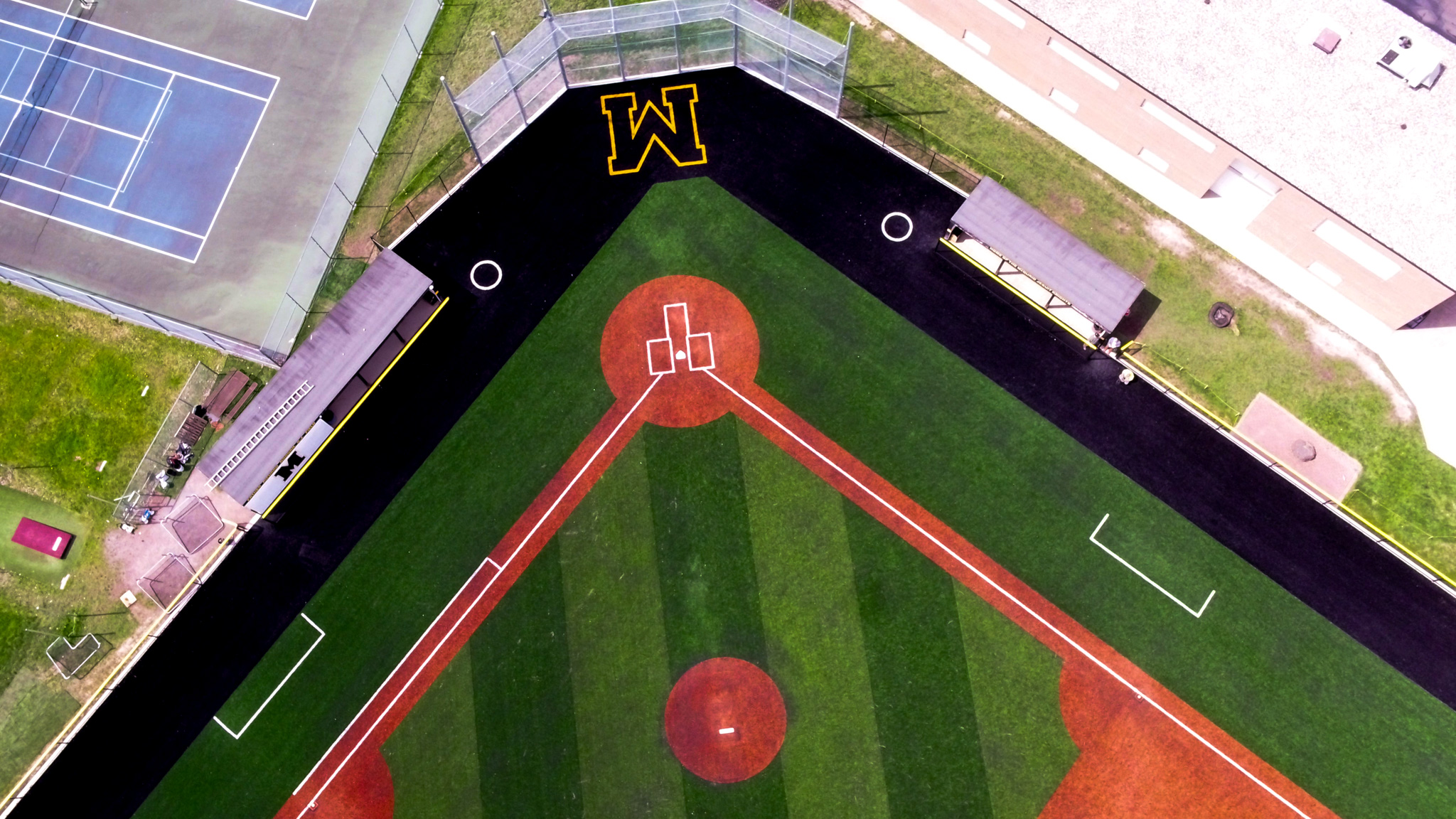
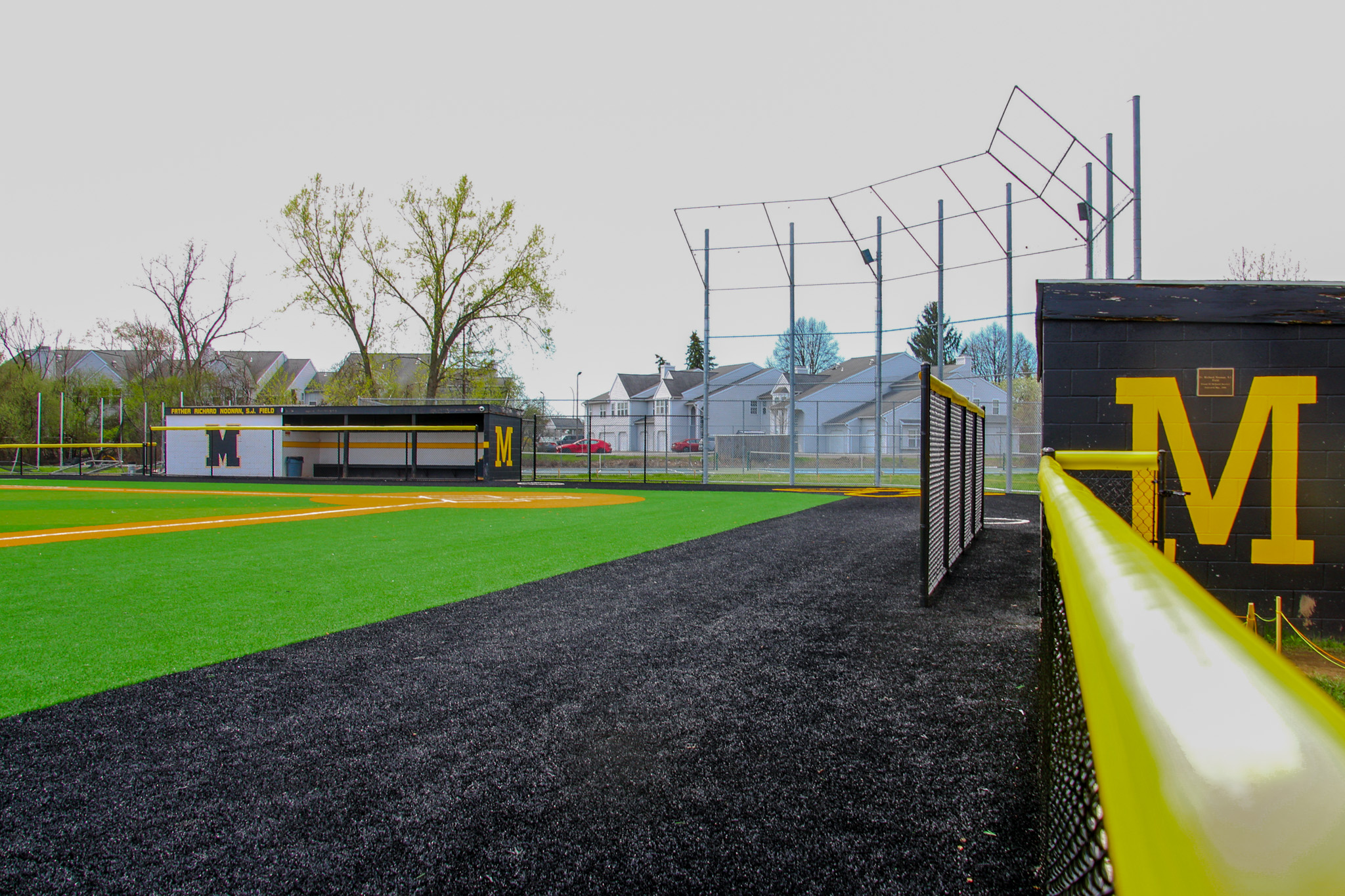
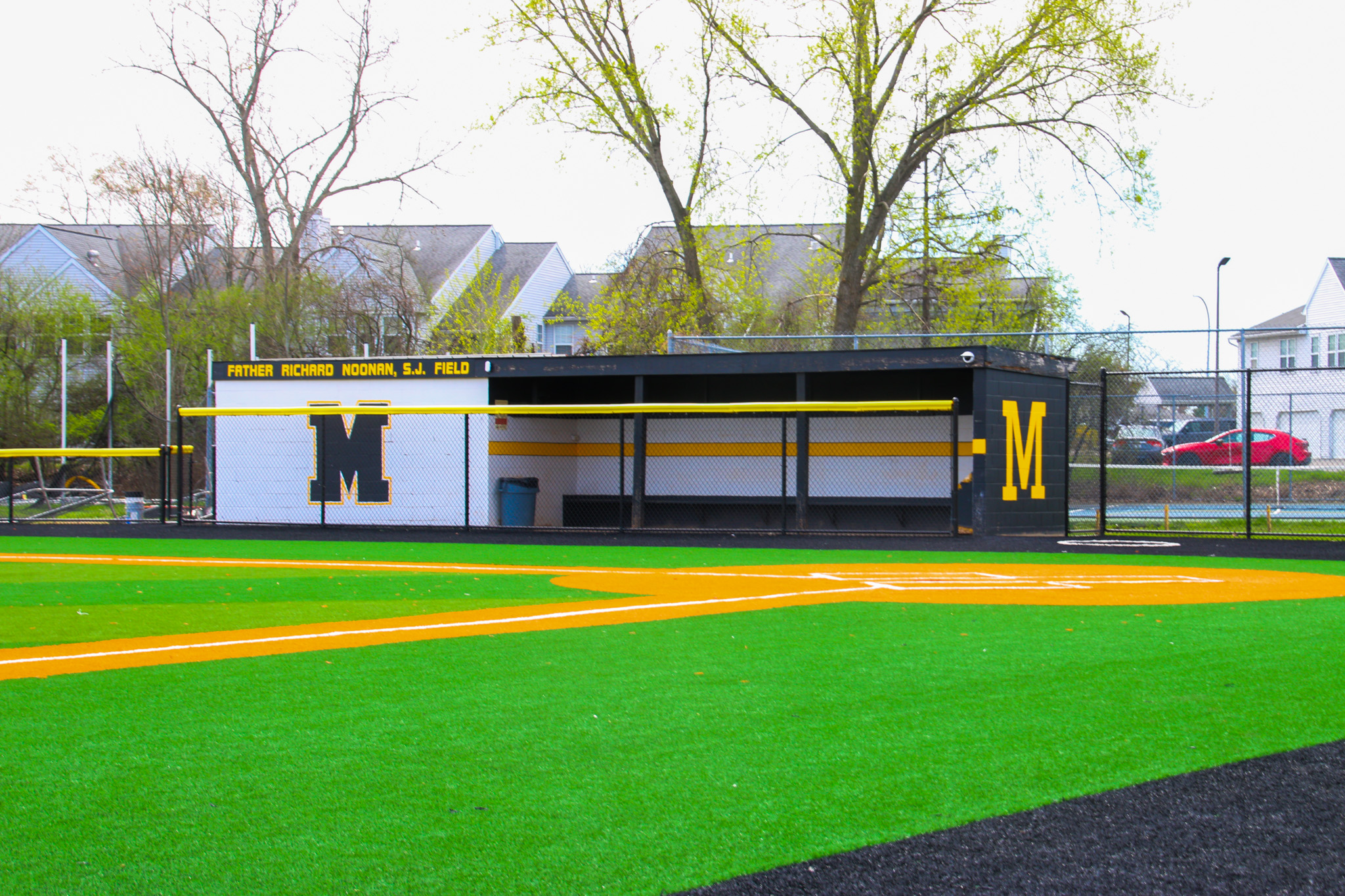
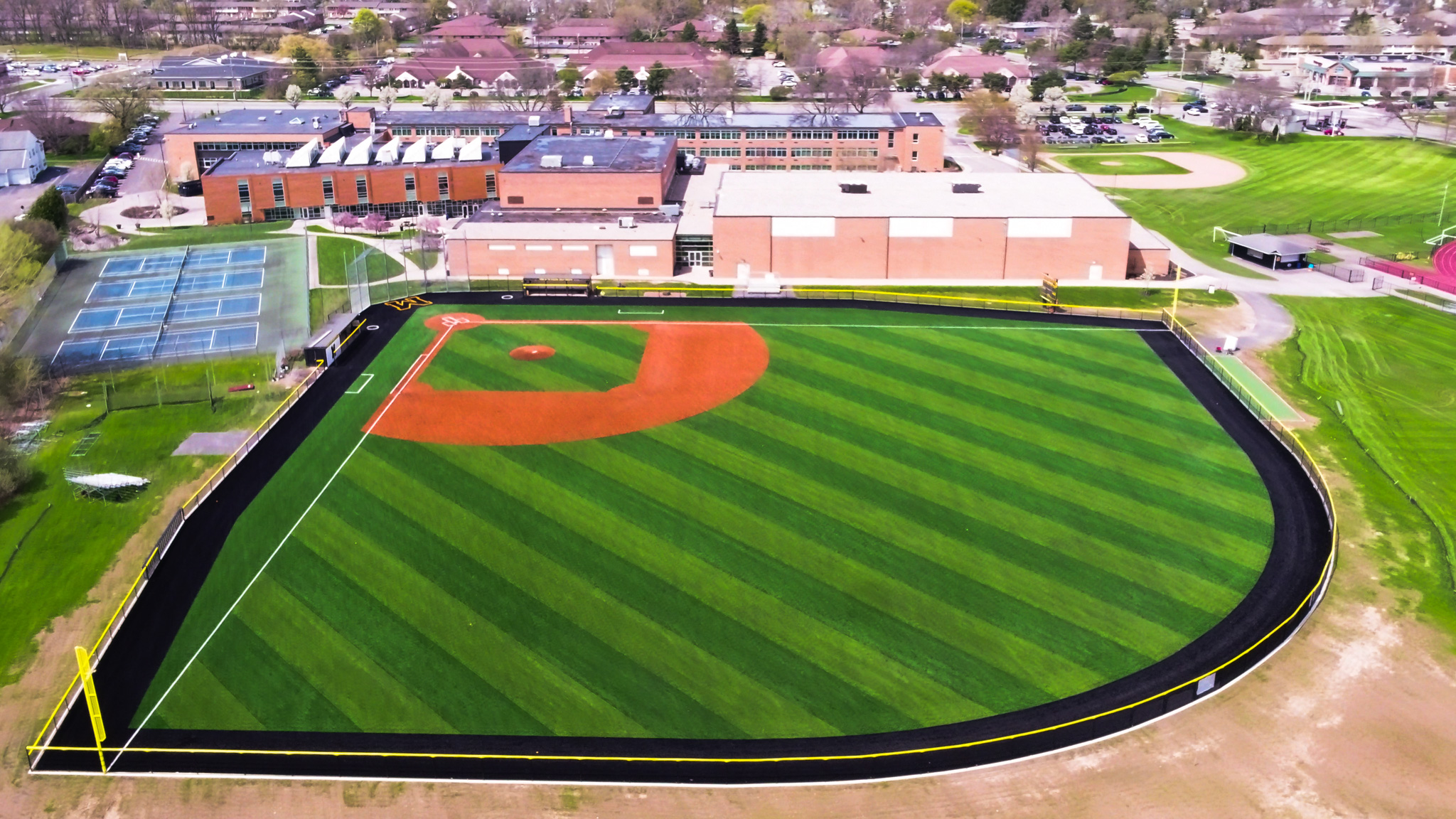
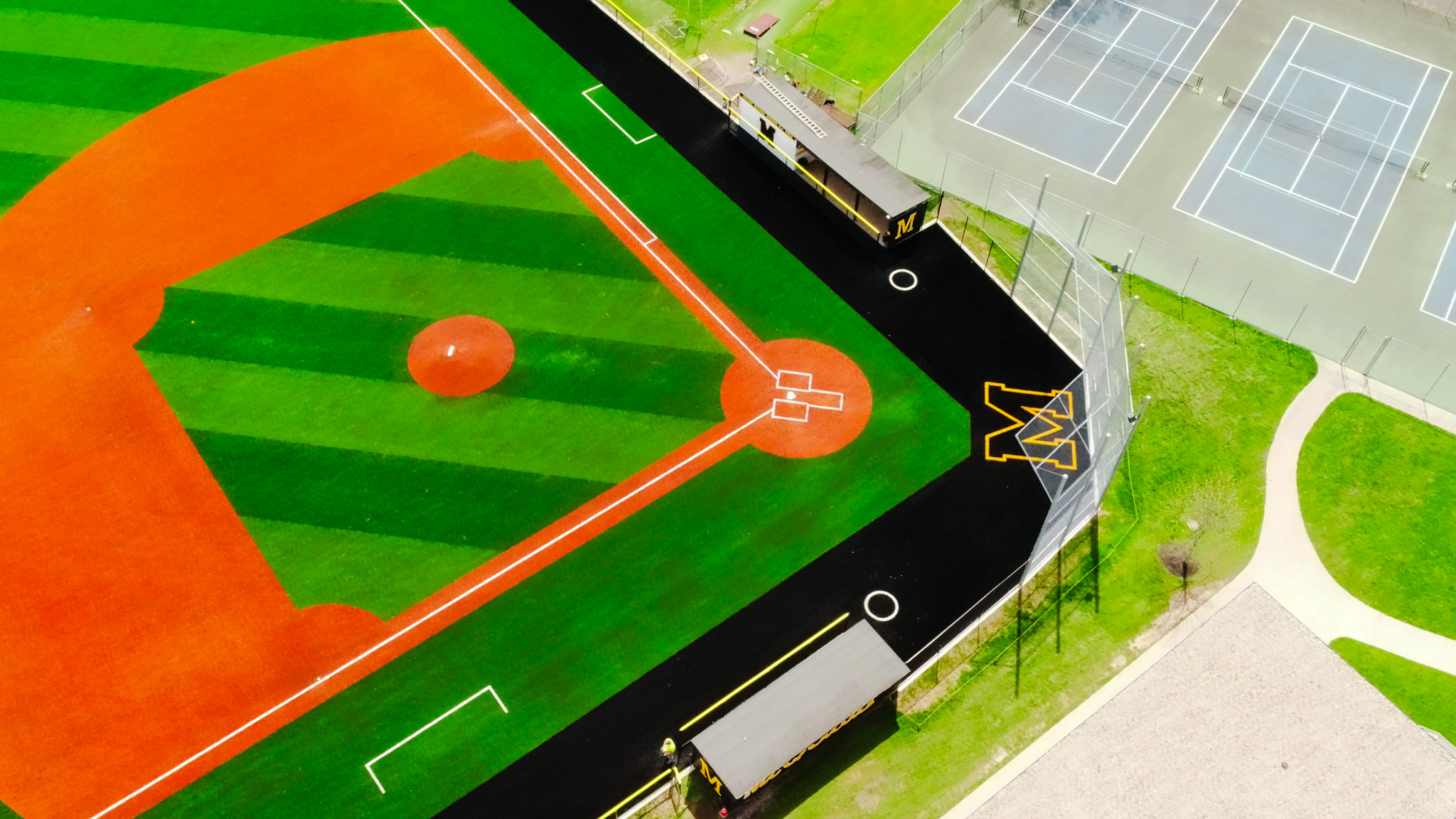
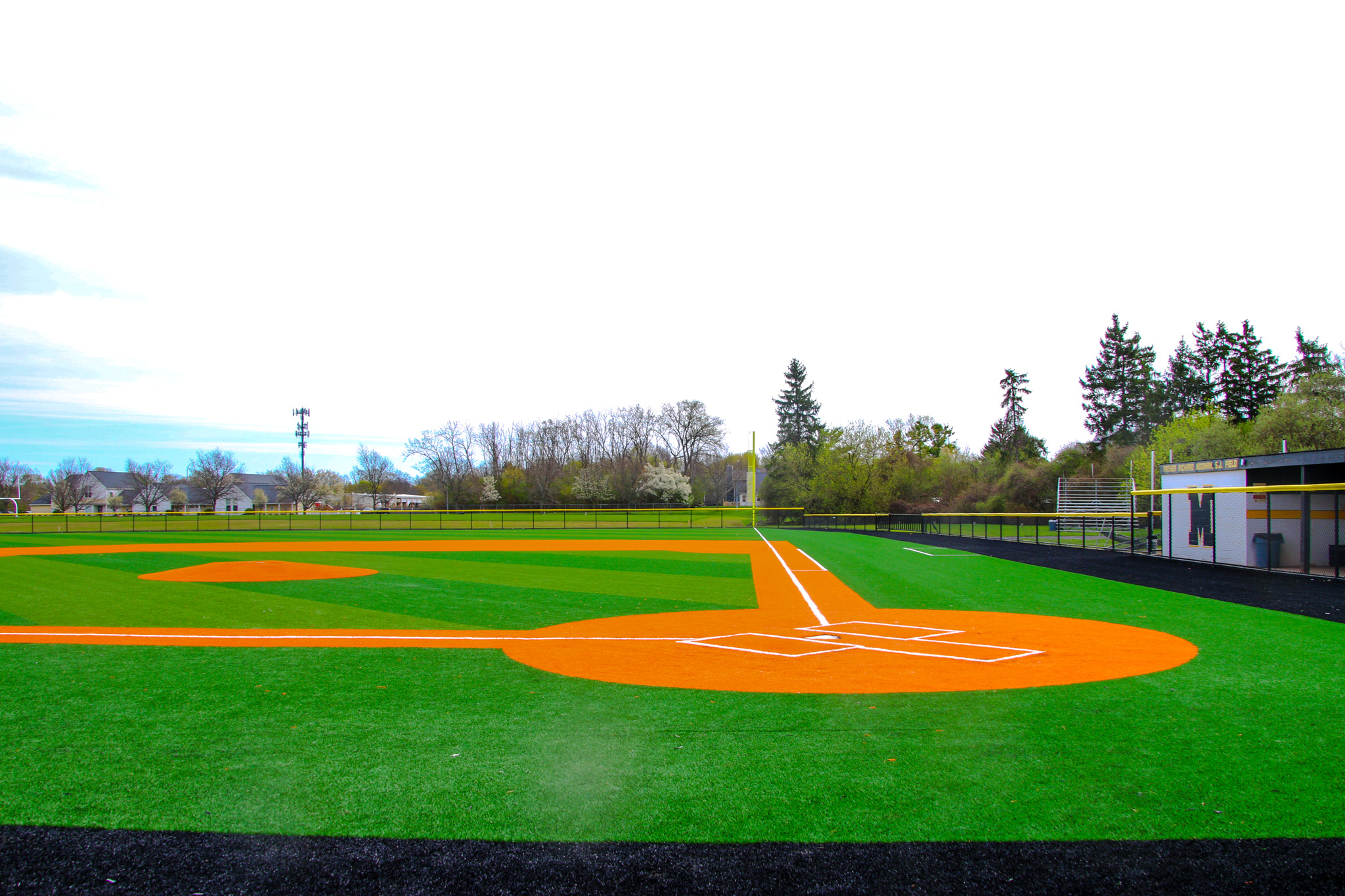
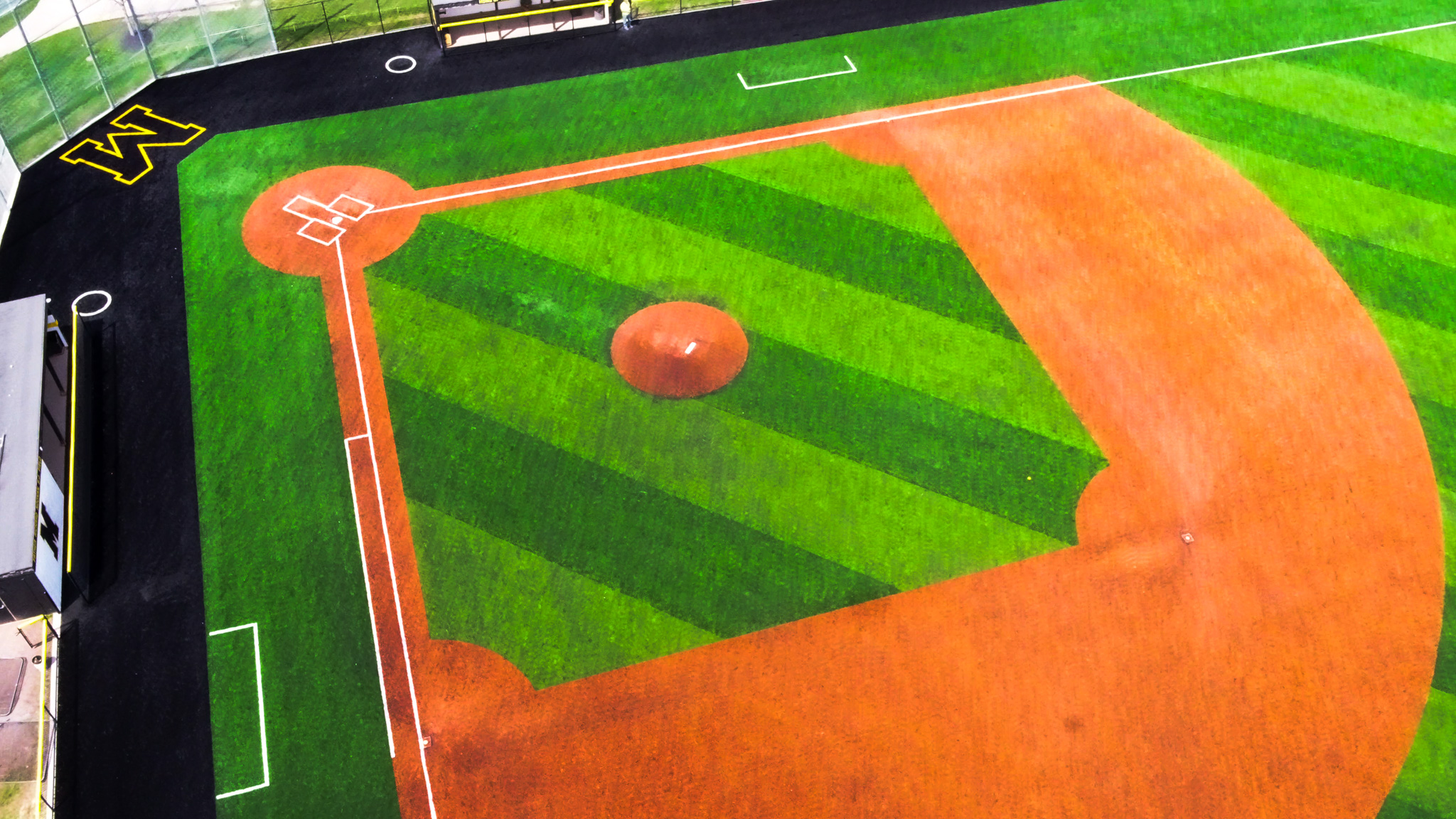
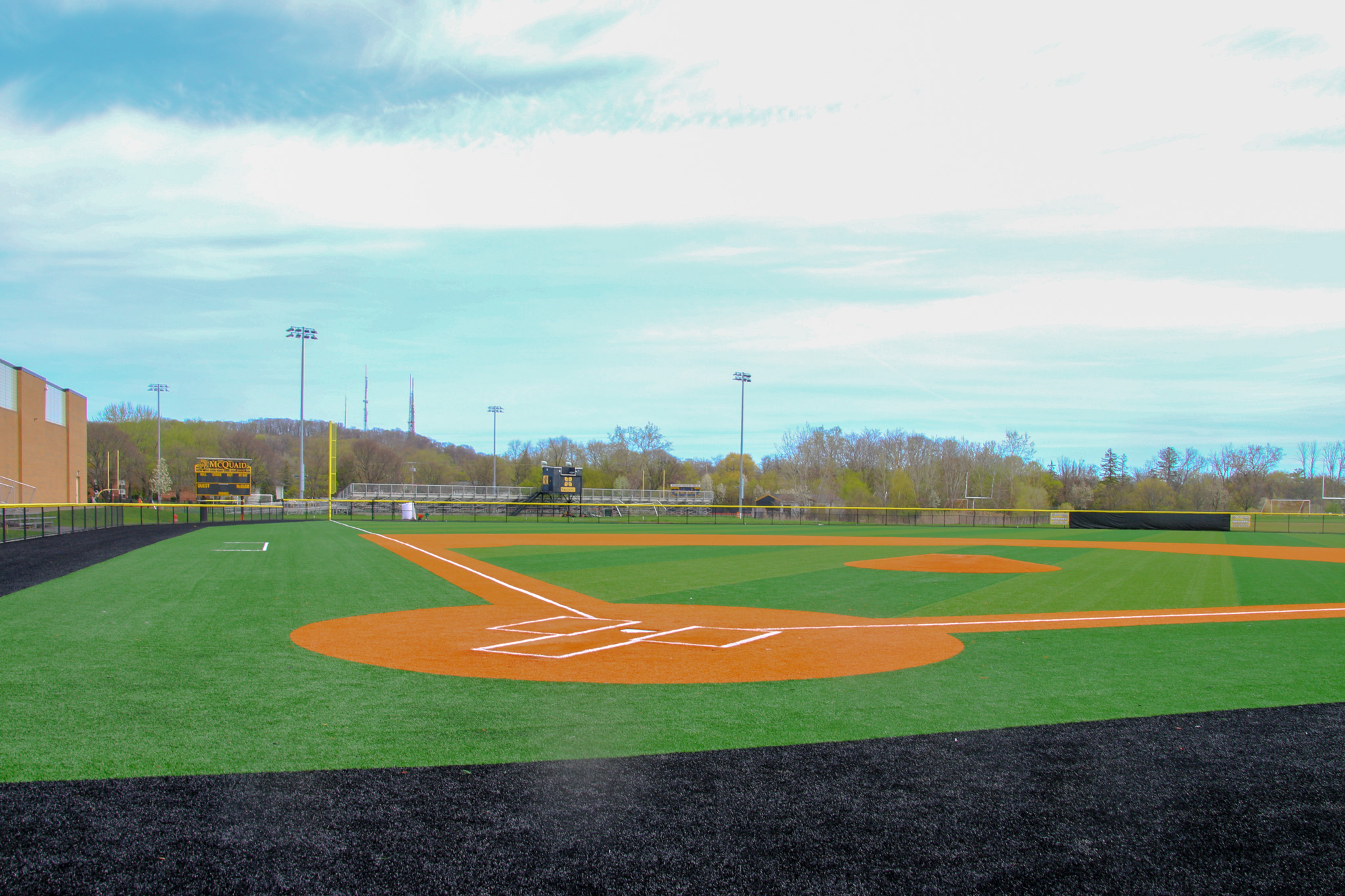
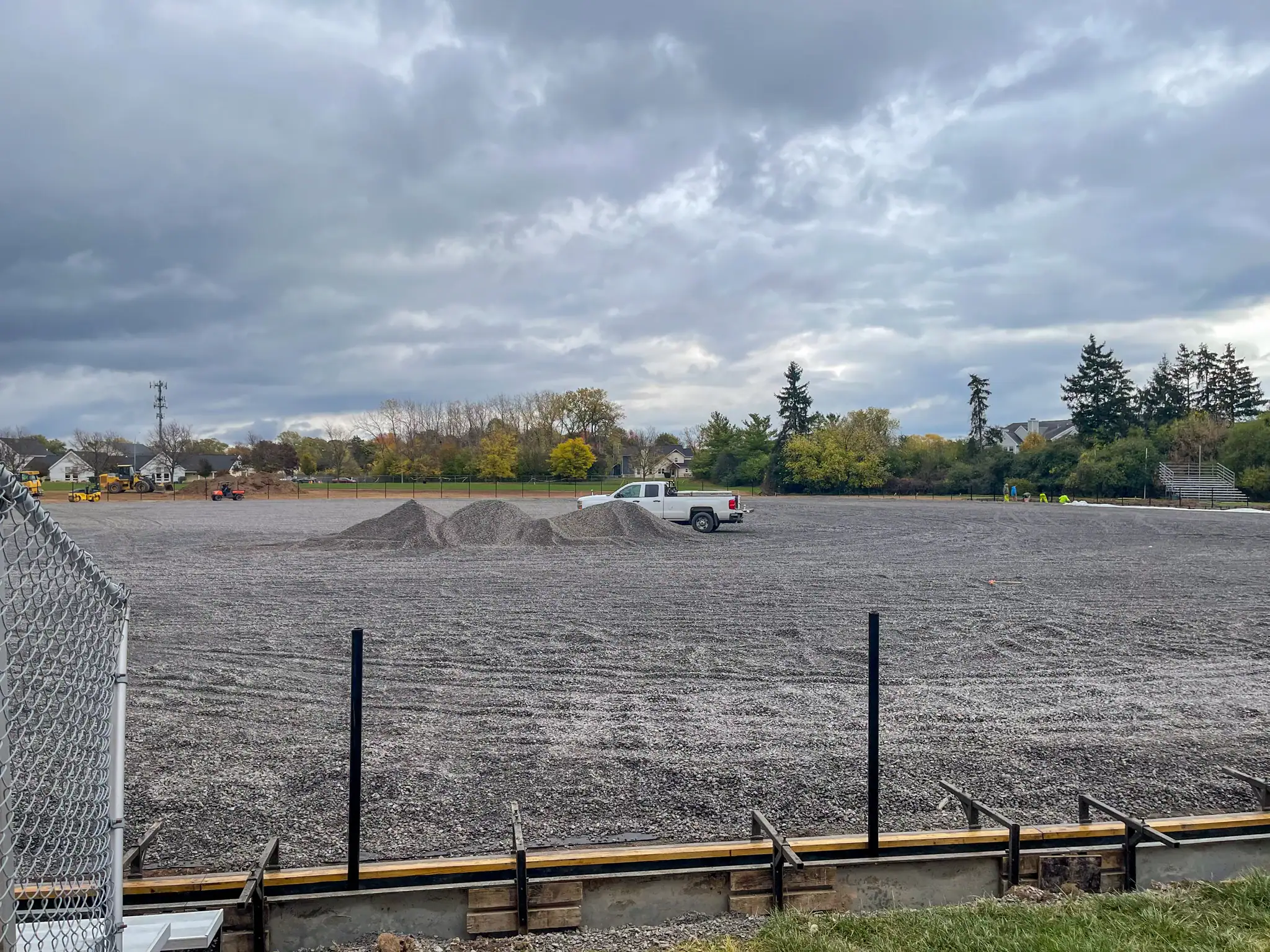
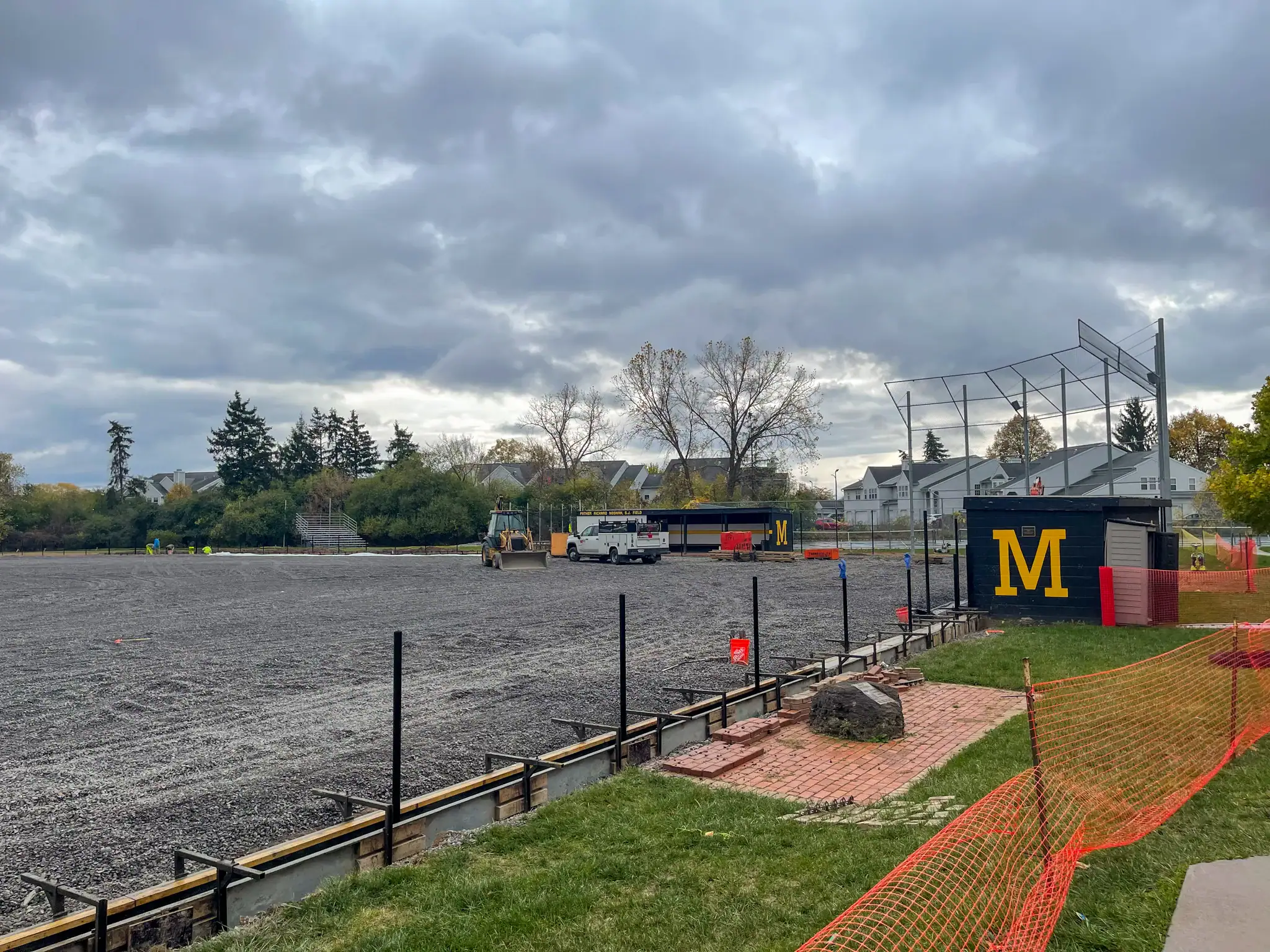
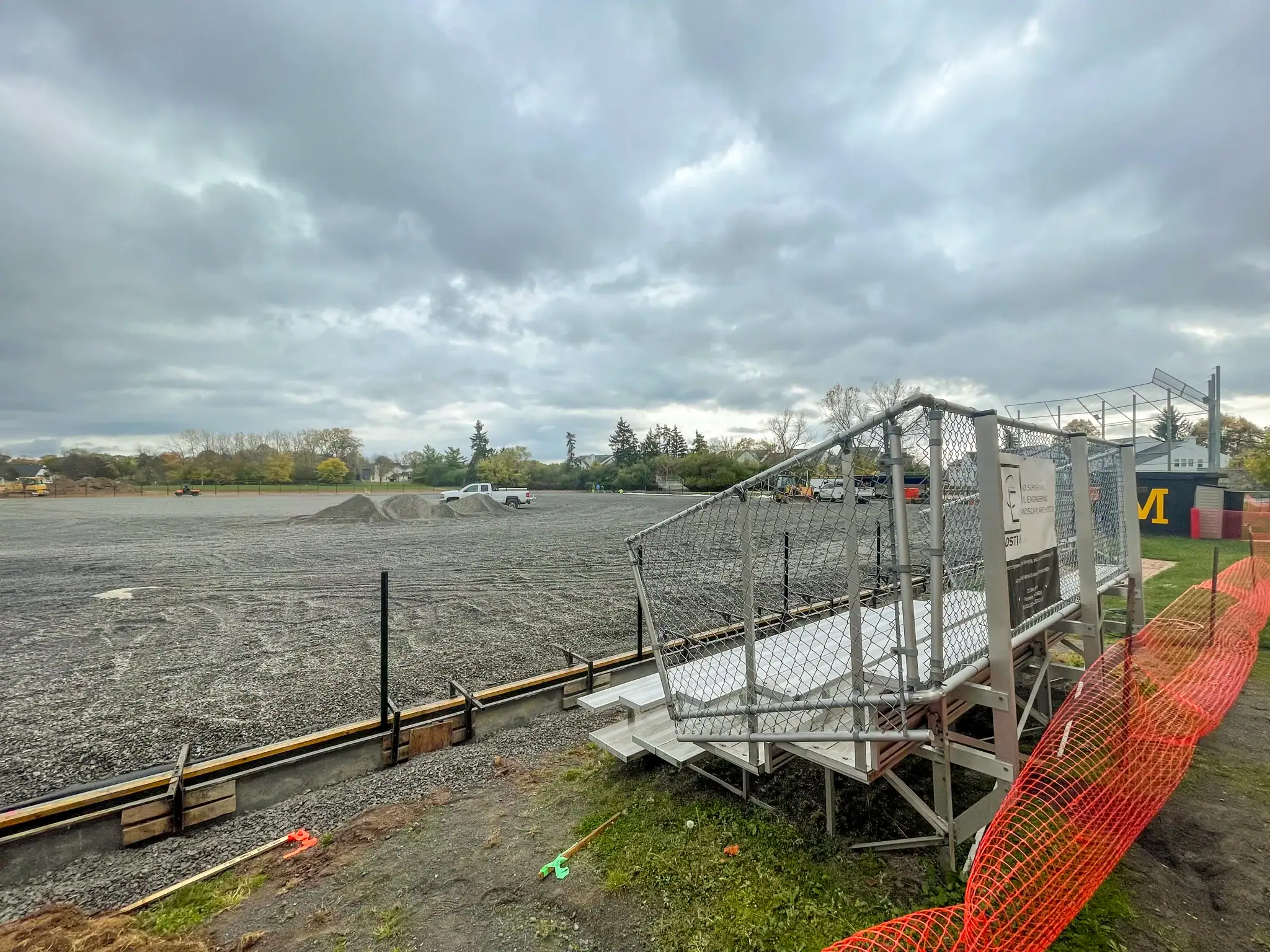
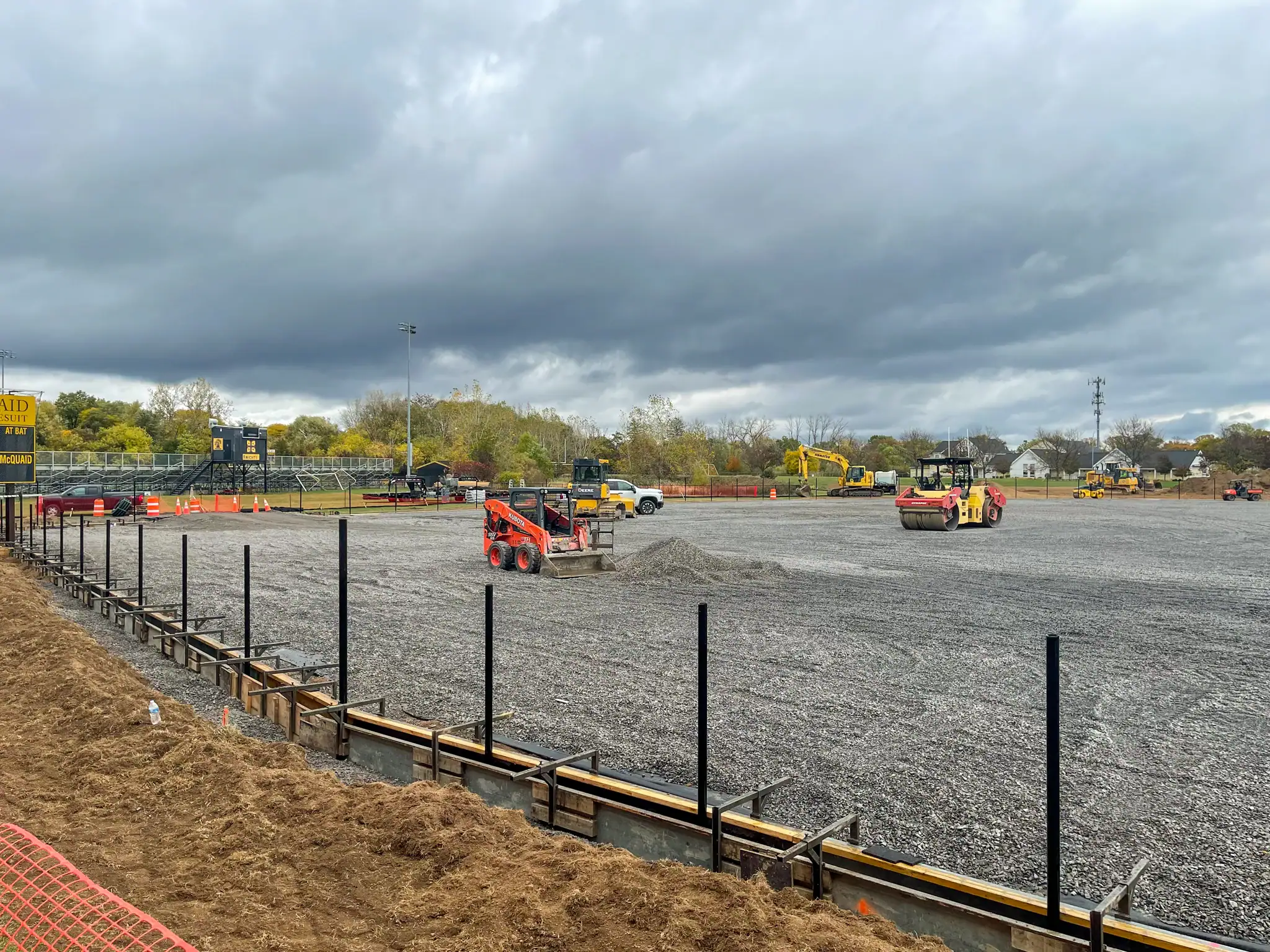
Aerial view of completed Fr. Richard Noonan S.J. Field synthetic turf renewal at McQuaid Jesuit High School campus Brighton NY

Fr. Richard Noonan S.J. Field – Synthetic Turf Renewal | McQuaid Jesuit

1800 S Clinton Ave, Brighton, NY 14618

Client: McQuaid Jesuit
Construction Completion: Fall 2025

Project Services: Land Survey, Landscape Architecture, Civil Engineering, Schematic Design, Design Development, Construction Documentation & Construction Observation


Project Overview

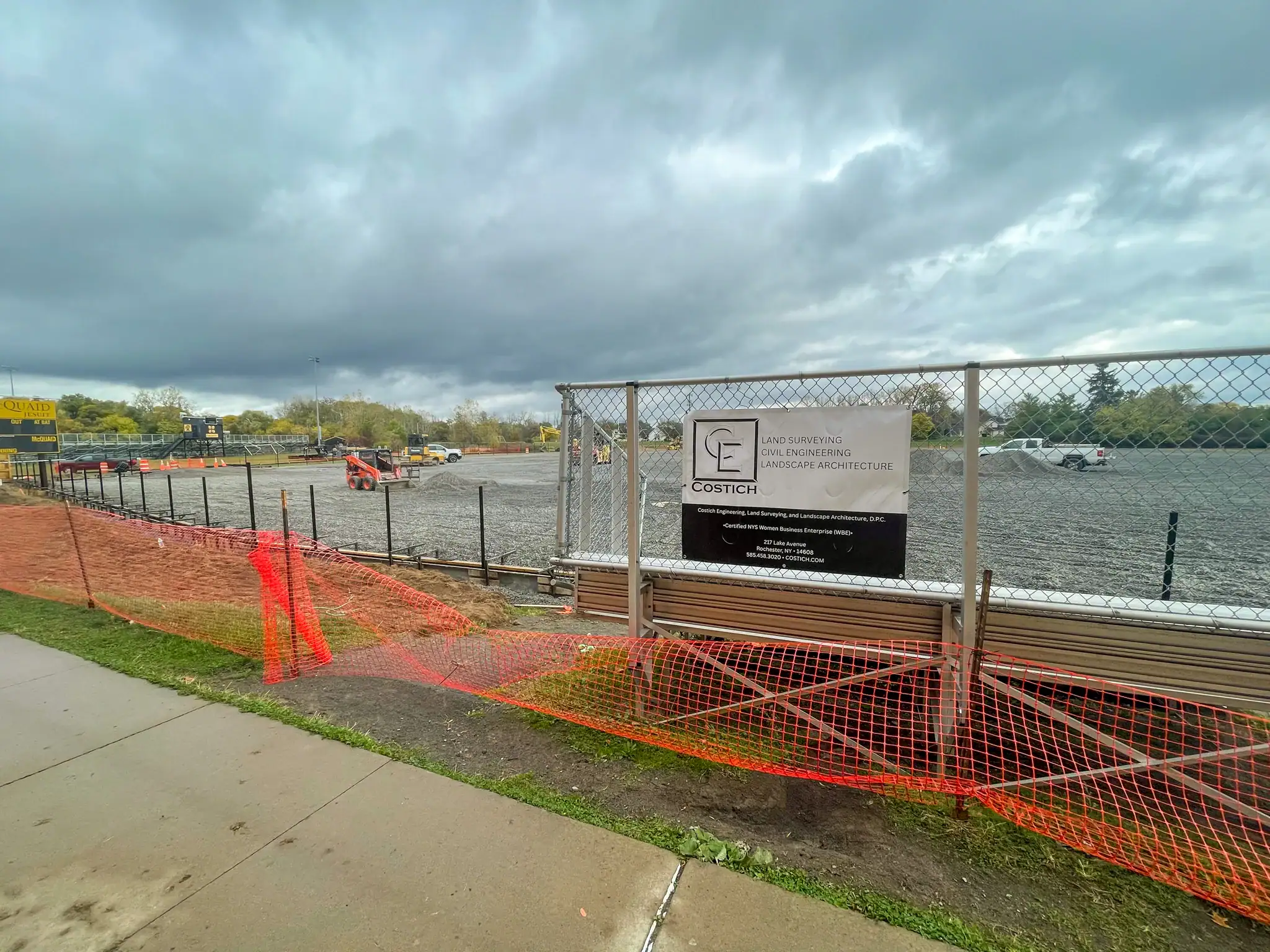
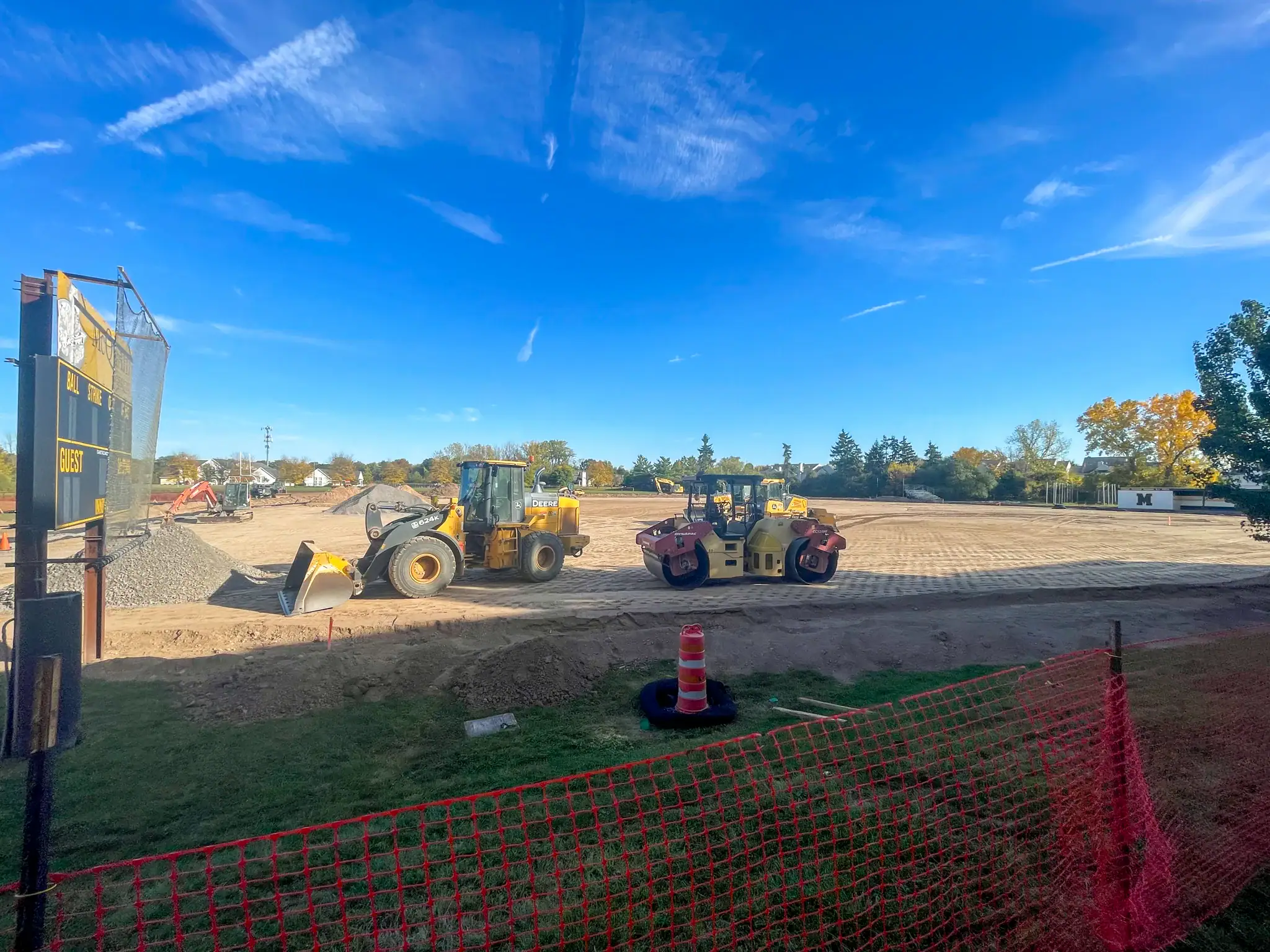
Costich partnered with McQuaid Jesuit to renew Fr. Richard Noonan S.J. Field with a modern synthetic turf system designed for long-term durability and year-round performance. The project continues our ongoing collaboration with the campus, supporting its Athletic Master Plan that began in 2019.

Our team provided full-service design and documentation — from initial boundary and topographic surveys through final construction observation. The new turf surface enhances playability, improves drainage, and allows McQuaid athletes to stay on the field through Rochester’s variable weather conditions.

Goals and Challenges

• Extend the playable season and reduce downtime after rain and snow
• Improve drainage and grading for safer, more consistent play
• Create a low-maintenance, high-performance field that can support daily use
• Integrate seamlessly with the surrounding campus and circulation routes

Scope of Services

Costich delivered complete in-house services across multiple disciplines.
• Land Surveying to capture existing grades, boundaries, and utilities
• Civil Engineering for grading, sub-base, and stormwater improvements
• Landscape Architecture for circulation, edges, and spectator areas
• Schematic Design through Construction Documents with technical coordination
• Construction Observation and field verification during installation

Design and Execution Highlights

The field renewal introduced a next-generation synthetic turf system designed to withstand heavy use and Rochester’s four-season climate. Costich’s design addressed sub-base stability, drainage performance, and ADA access while maintaining the campus’s visual identity.

The project team worked closely with McQuaid’s athletic staff and turf installer to phase construction around active sports schedules, ensuring minimal disruption to on-campus activities. The result is a surface that looks and performs like natural grass but delivers consistent playability throughout the year.

Outcomes

• Reliable, all-weather play surface that extends the competitive season
• Safer footing and reduced surface maintenance compared to natural grass
• Efficient stormwater management and improved field drainage
• Enhanced aesthetics and functionality for spectators and players alike

Fr. Richard Noonan S.J. Field now serves as a cornerstone of McQuaid Jesuit’s athletics complex, supporting multiple programs and student activities across the school year.

Gallery

Additional Information

Learn more about this project by going to the Visit McQuaid Jesuit website: 
Facilities | McQuaid Jesuit

Check out the Costich’s Instagram Post: @costichengineering

Check out the McQuaid Jesuit Facebook Post: www.facebook.com/McQuaidJesuit

What Weather Extremes Teach Us About Landscape Design

Annotated landscape and site design plan with handwritten markups showing layout adjustments, plantings, and construction notes by Costich Engineering.
Annotated landscape plan showing detailed plant schedule, line legend, and design markups for a multi-building residential site, including hand-written field notes and landscape layout revisions.

What Weather Extremes Teach Us About Landscape Design

By, Emma Oakes, RLA, Project Manager and Landscape Architect

This summer’s dramatic weather swings, from record rainfall in June to drought-like conditions within a matter of weeks, have created the perfect stress test for landscapes everywhere. While some installations thrived through these extremes, others struggled. These contrasts revealed fundamental truths about what separates resilient, successful landscapes from those that merely survive opening day.

The Real Drivers of Landscape Success

Observing how different landscapes responded to this summer’s challenges reinforced some critical principles that apply regardless of location:

1. Maintenance is Non-Negotiable

There’s no such thing as a truly “no maintenance” landscape. Even the most carefully selected, hardy plantings require ongoing care. The landscapes that weathered this summer’s extremes best were those that took long-term maintenance into account during the initial design phases. Often, it’s as simple as including a recurring “landscape maintenance” bullet point on a project team meeting agenda, or project cost estimates.

This means more than just specifying drought-tolerant plants. It means understanding how site layout, grading and utilities will impact the amount of water plant areas will receive, deciding if an adaptive irrigation system is needed, selecting plant combinations that support each other’s health, and monitoring from construction through the first few years to creating maintenance schedules that anticipate seasonal challenges. The upfront investment in maintenance planning pays dividends when weather doesn’t cooperate.

Seasonal landscape maintenance guide showing spring, summer, fall, and winter care notes with plant bed diagrams and color-coded maintenance tips.

2. Site Conditions Drive Everything

Sun exposure, soil composition, drainage patterns, wind, and even plant sourcing all determine whether a landscape thrives or merely survives. We’ve seen identical plant palettes perform completely differently on sites just miles apart, simply because of variations in microclimate, installation practices, and maintenance.

This summer’s weather swings highlighted how critical it is to understand not just average conditions, but extremes. Successful designs account for both the wettest and driest scenarios a site might face. They consider how water moves across the landscape during heavy rains, where it pools, and which areas will be first to dry out during drought periods.

Not to mention the upcoming snow, ice, and salt impacts we’ll see from the winter season in northeastern landscapes!

3. Code Compliance Is Just the Starting Point

Municipal requirements around plant type, location, and quantity serve important purposes in combating urban heat island effect, providing habitat, beatifying the public realm, etc. However, meeting code doesn’t guarantee success. A code-compliant design might look perfect on paper yet struggle in reality if day-to-day site conditions—compacted soil, reflected heat from pavement, limited water access, salt spray, or challenging maintenance logistics—aren’t addressed.

The most successful projects go beyond minimum requirements to solve the actual challenges the landscape will face. This might mean specifying specific planting soil mixtures to promote better oxygen, water and nutrient uptake by plants, or selecting plant varieties that handle site conditions better than code minimums would suggest.

Hand-rendered landscape concept plan showing a plaza with walkways, benches, and green planting areas integrated into surrounding site geometry.

4. Why This Matters More Than Ever

Weather extremes are increasing everywhere. The traditional approach of designing for “average” conditions no longer provides adequate resilience. Today’s successful landscapes must be designed to handle extremes, not as rare exceptions, but as regular occurrences.

This shift requires a deeper understanding of plant ecology, soil science, and environmental systems. It means understanding the careful balance between aesthetic goals and long-term adaptability. The landscapes that stood out as successes this summer were those designed with weather extremes in mind from the beginning, not as an afterthought.

The Long View

Every project is an opportunity to create something that doesn’t just look good on installation day, but grows, adapts, and flourishes over time. When that happens, the difference is visible to everyone—from property owners to the broader community.

The key is recognizing that thoughtful design upfront isn’t just about preventing problems. It’s about creating landscapes that become more valuable, more beautiful, and more resilient as they mature. In an era of climate uncertainty, that kind of forward-thinking design isn’t just good practice, it’s essential.

Town of Penfield – Sidewalk Improvements

Worker smoothing freshly poured concrete sidewalk along Five Mile Line Road in Penfield

Town of Penfield – Sidewalk Improvements

Five Mile Lane Road, Penfield New York

Client: Town of Penfield, New York
Construction Completion: 2025

Project Services: Land Survey, Civil Engineering, Aerial Photography & Imagery Analysis, Mapping, Floodplain Studies, Design Development, Construction Documentation & Construction Observation

Project Overview

Costich Engineering partnered with the Town of Penfield to design and construct sidewalk improvements primarily along Five Mile Line Road, with connections into Atlantic Avenue. These enhancements improve pedestrian safety, connectivity, and mobility in a corridor that intersects two key thoroughfares. The project also takes into account local watershed conditions and ensures compatibility with surrounding infrastructure.

Project Services Provided

Costich Engineering delivered a full complement of professional services to support the sidewalk project, including:

  • Land Surveying: topographic and boundary surveys to set grades and alignments

  • Civil Engineering: roadway grading, drainage coordination, and sidewalk structural design

  • Landscape Architecture: selecting plantings and integrating the sidewalk into its surroundings

  • Schematic Design & Design Development: early-phase alignment studies and refinement

  • Construction Documentation & Construction Observation: preparation of plans/specs and field oversight through implementation

Project Highlights

    • Majority of sidewalk work concentrated along Five Mile Line Road, with tie-ins at Atlantic Avenue

    • Phased construction to minimize disruption along key intersection

    • Integration of stormwater and drainage considerations given proximity to Ross Brook watershed

    • Design and construction in compliance with NYSDOT and local standards

Project Background

Sidewalk improvements on going; additional project components (culvert extension and pond expansion) scheduled for later phases.

Gallery

Additional Information

Learn more about this project by going to the Town of Penfield project detail page:
https://www.penfield.org/detail_T12_R113.php

Read the Town of Penfield’s news release about the project:
https://www.penfield.org/news_detail_T3_R1347.php

See Monroe County’s announcement on the sidewalk program:
https://www.monroecounty.gov/news-2024-09-25-sidewalk

Delta Sonic Victor | Costich Engineering

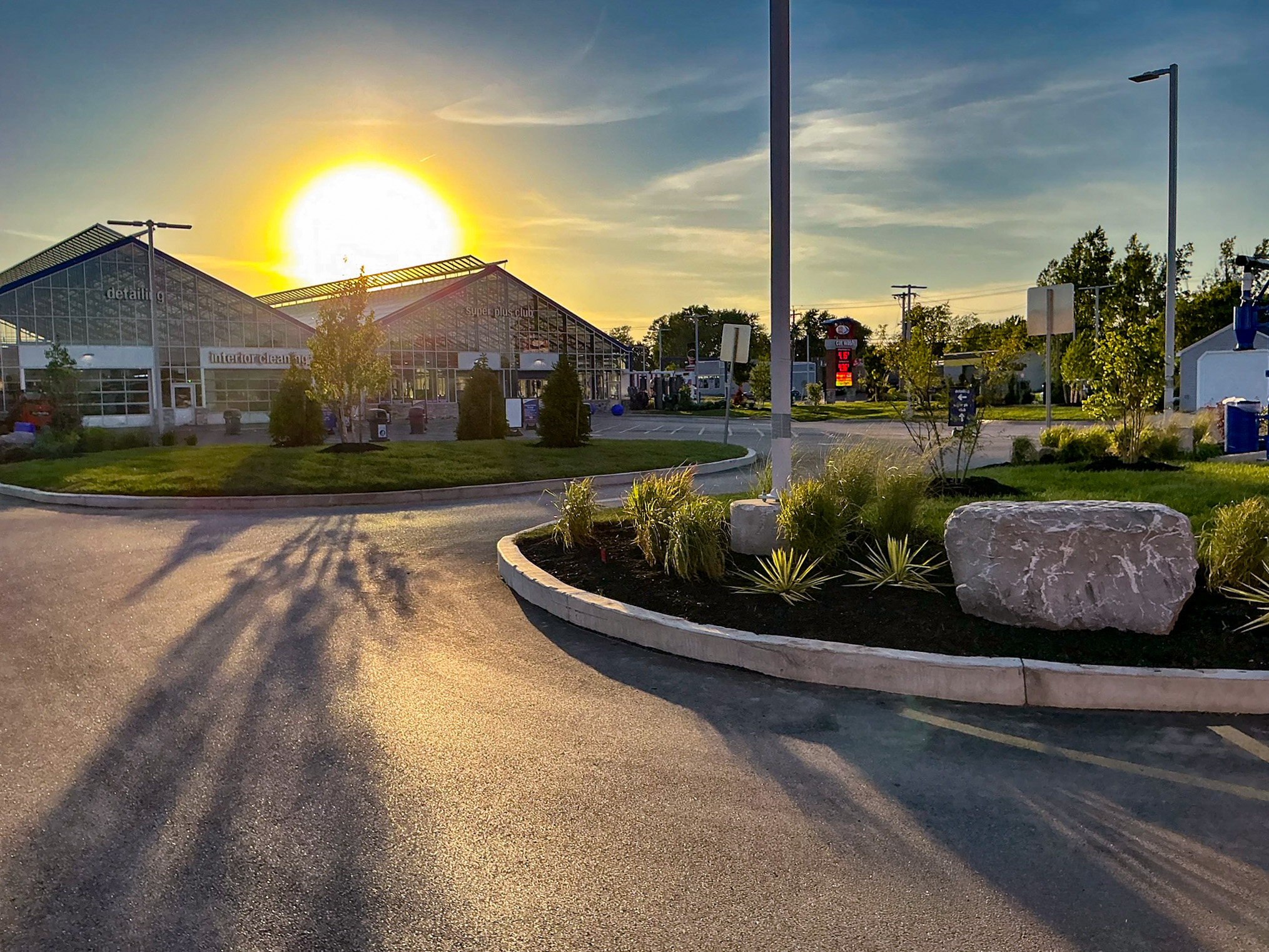
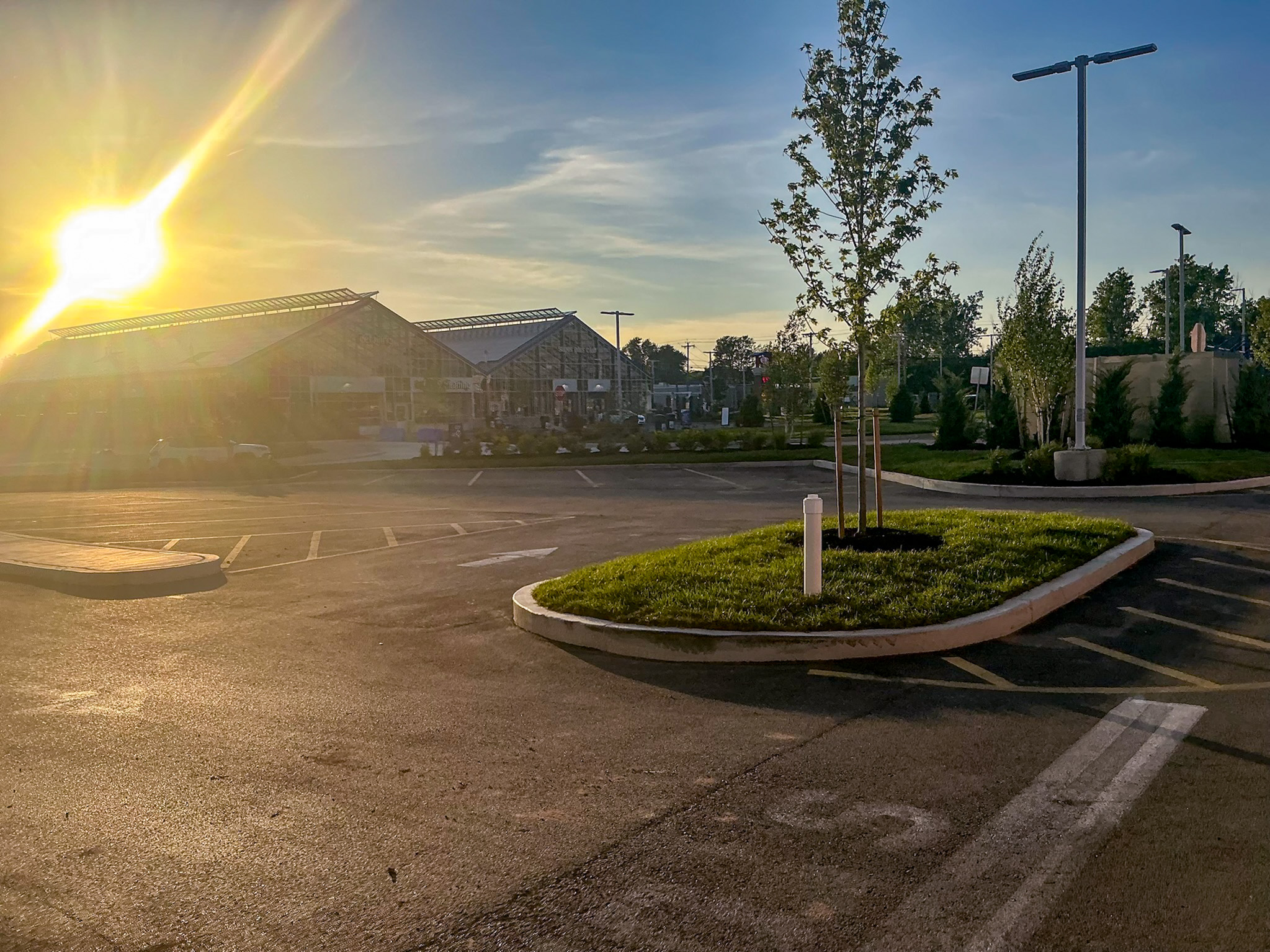
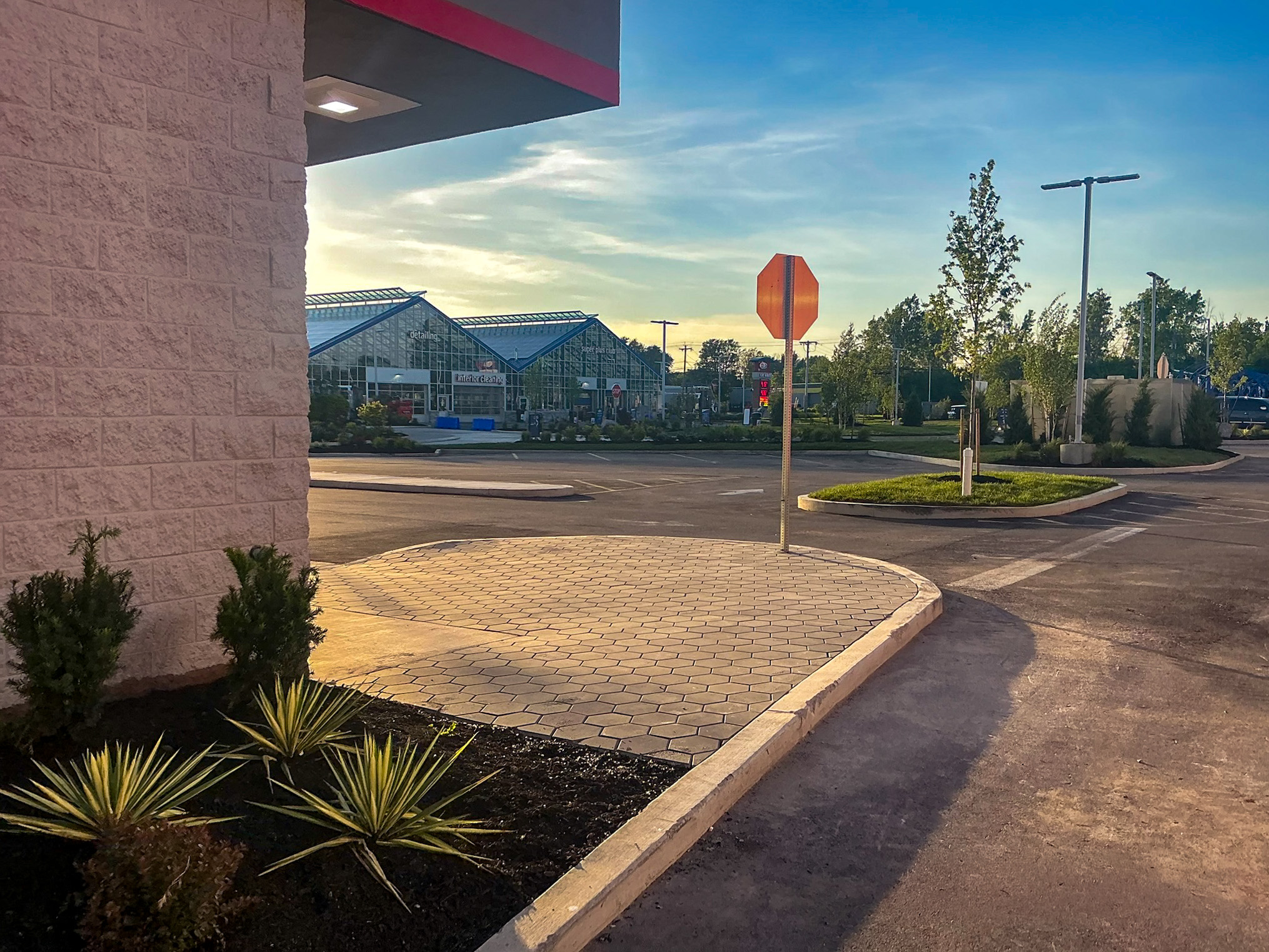
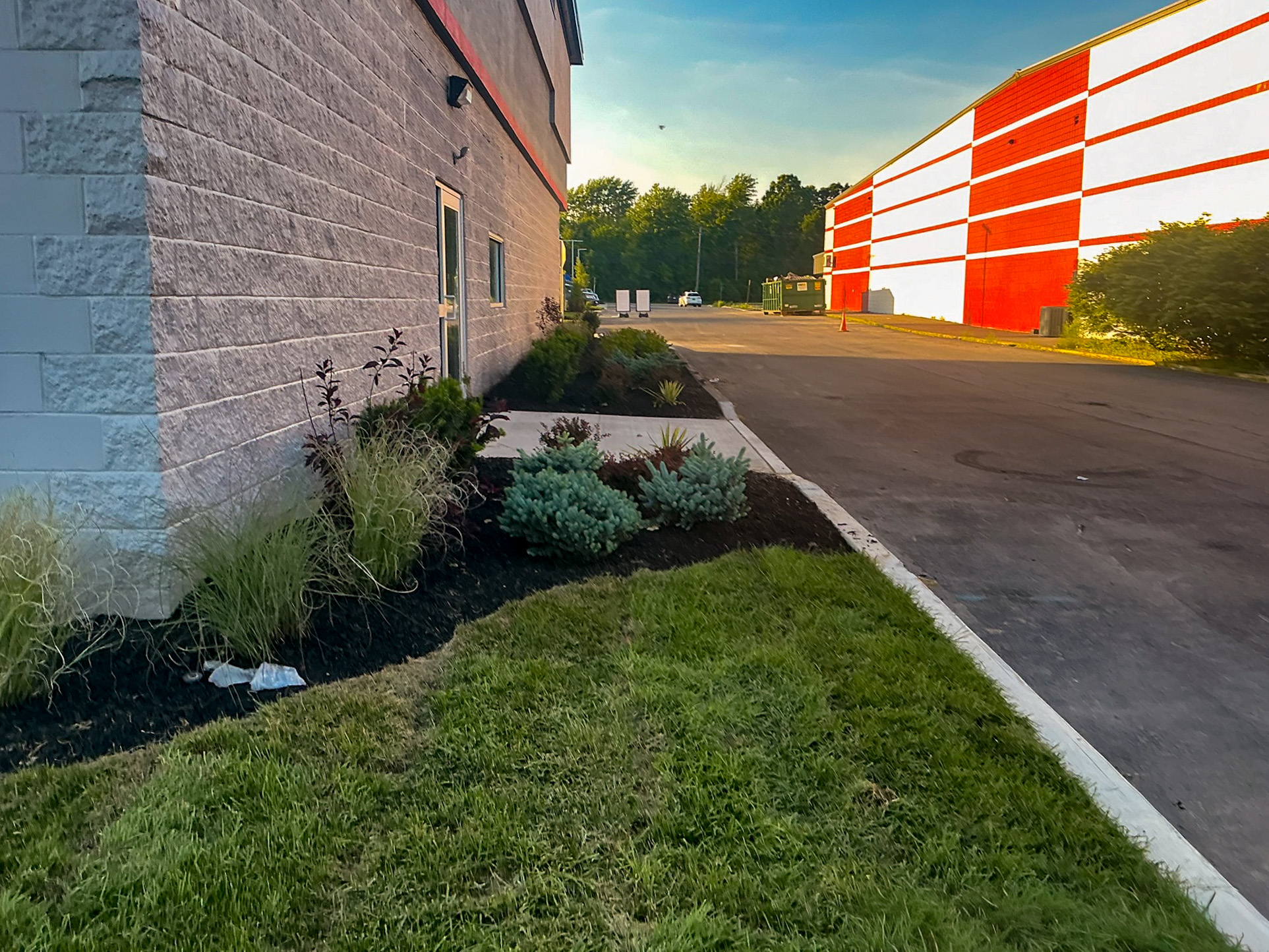
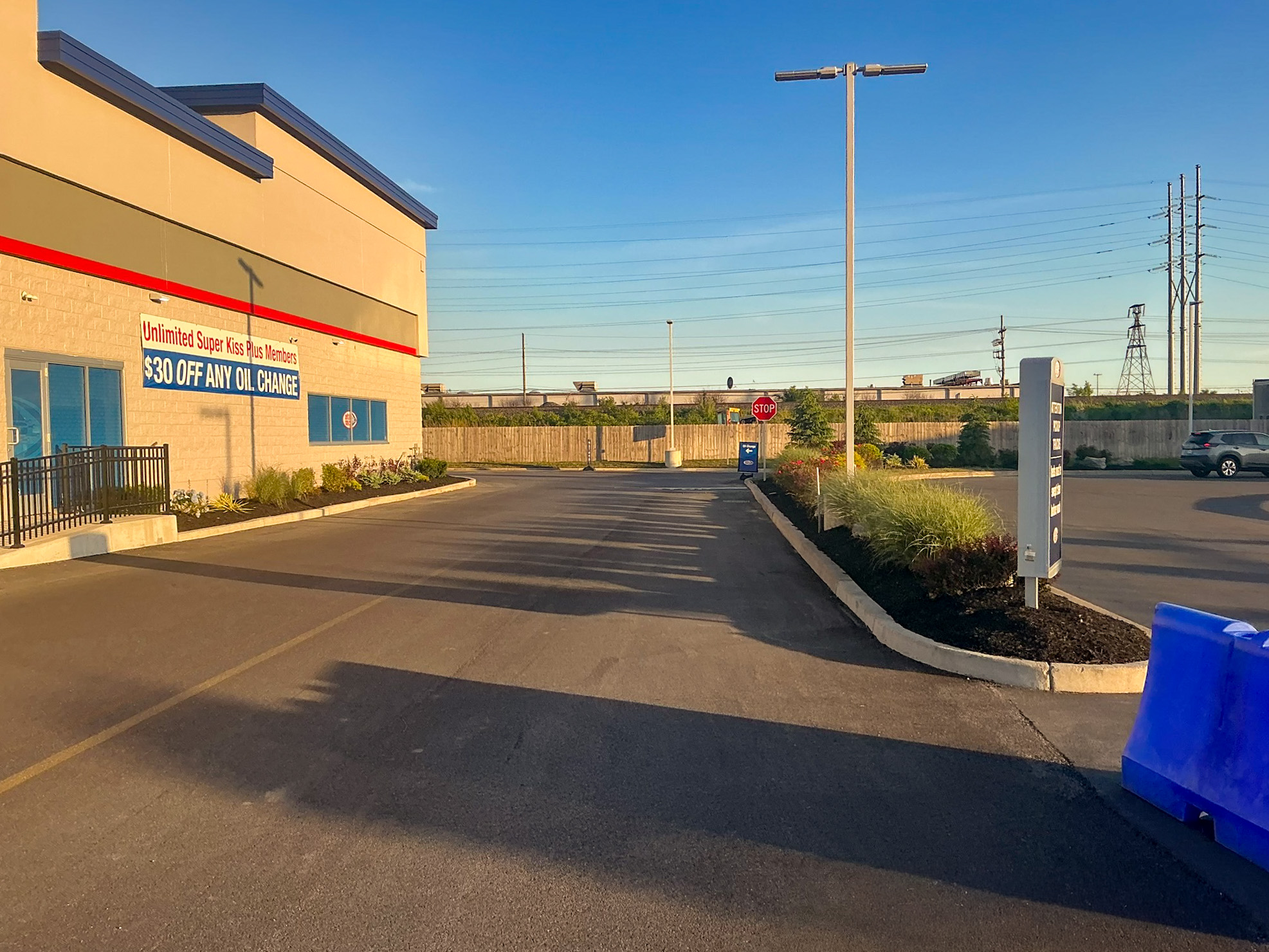
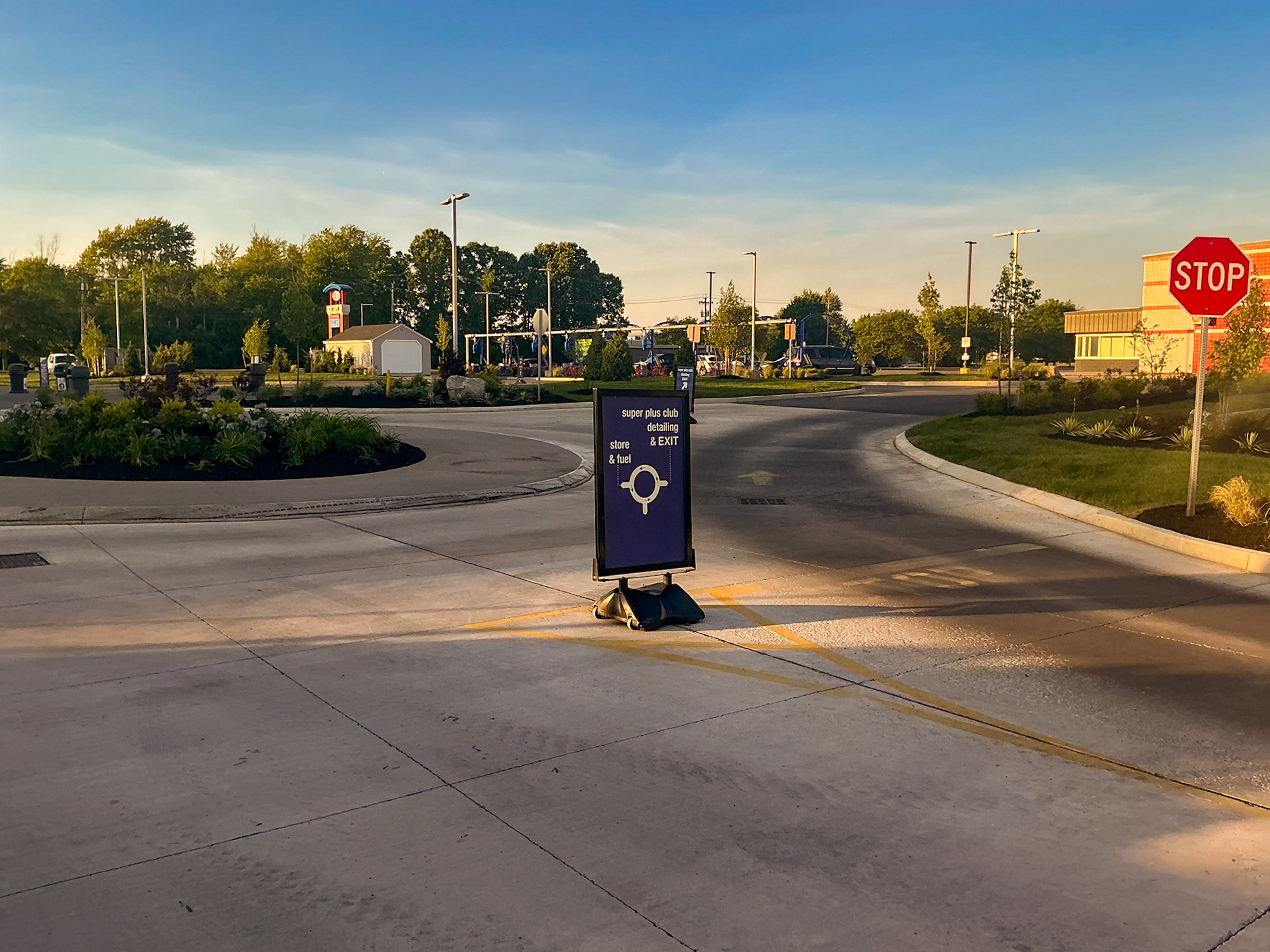
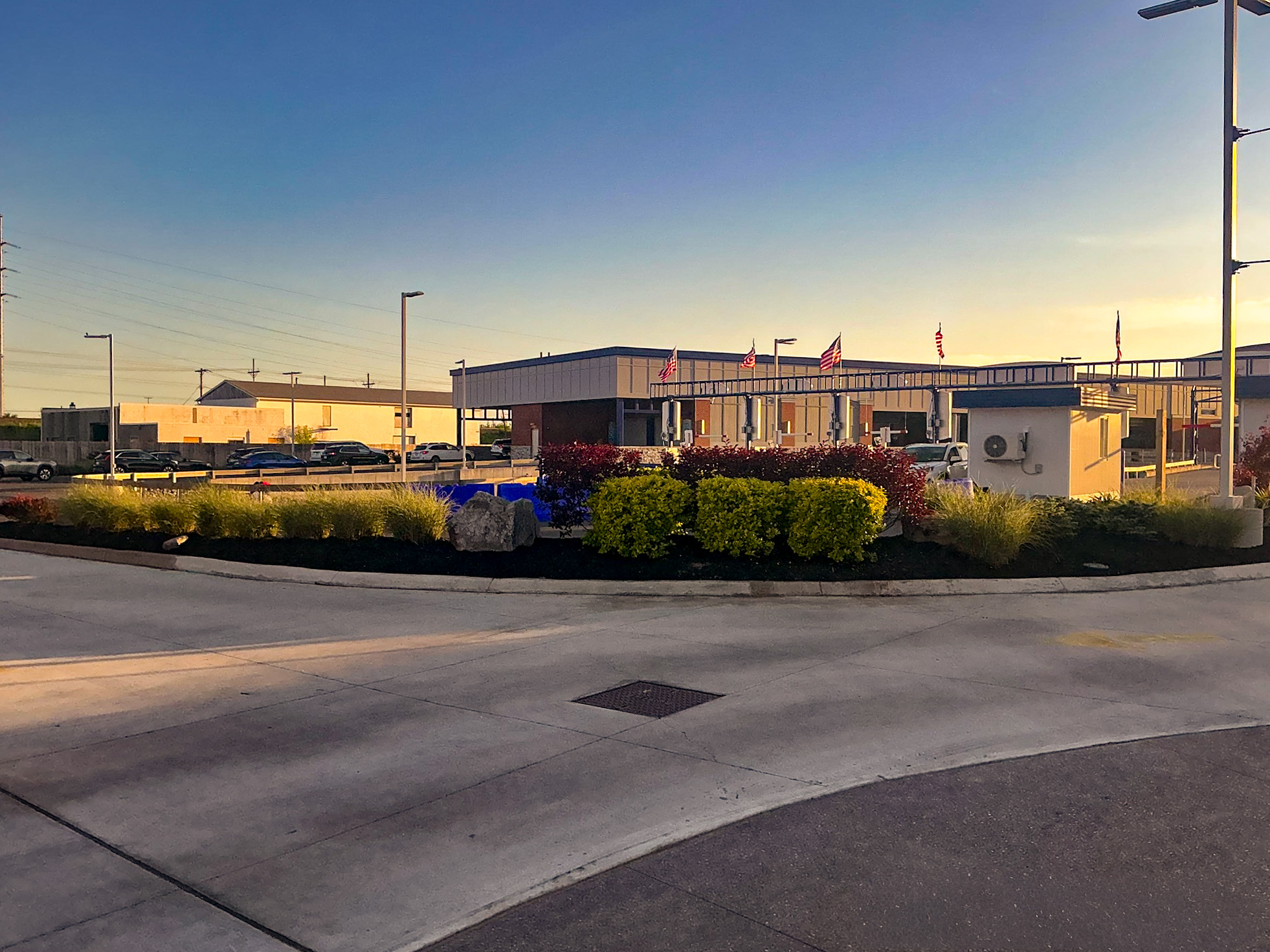
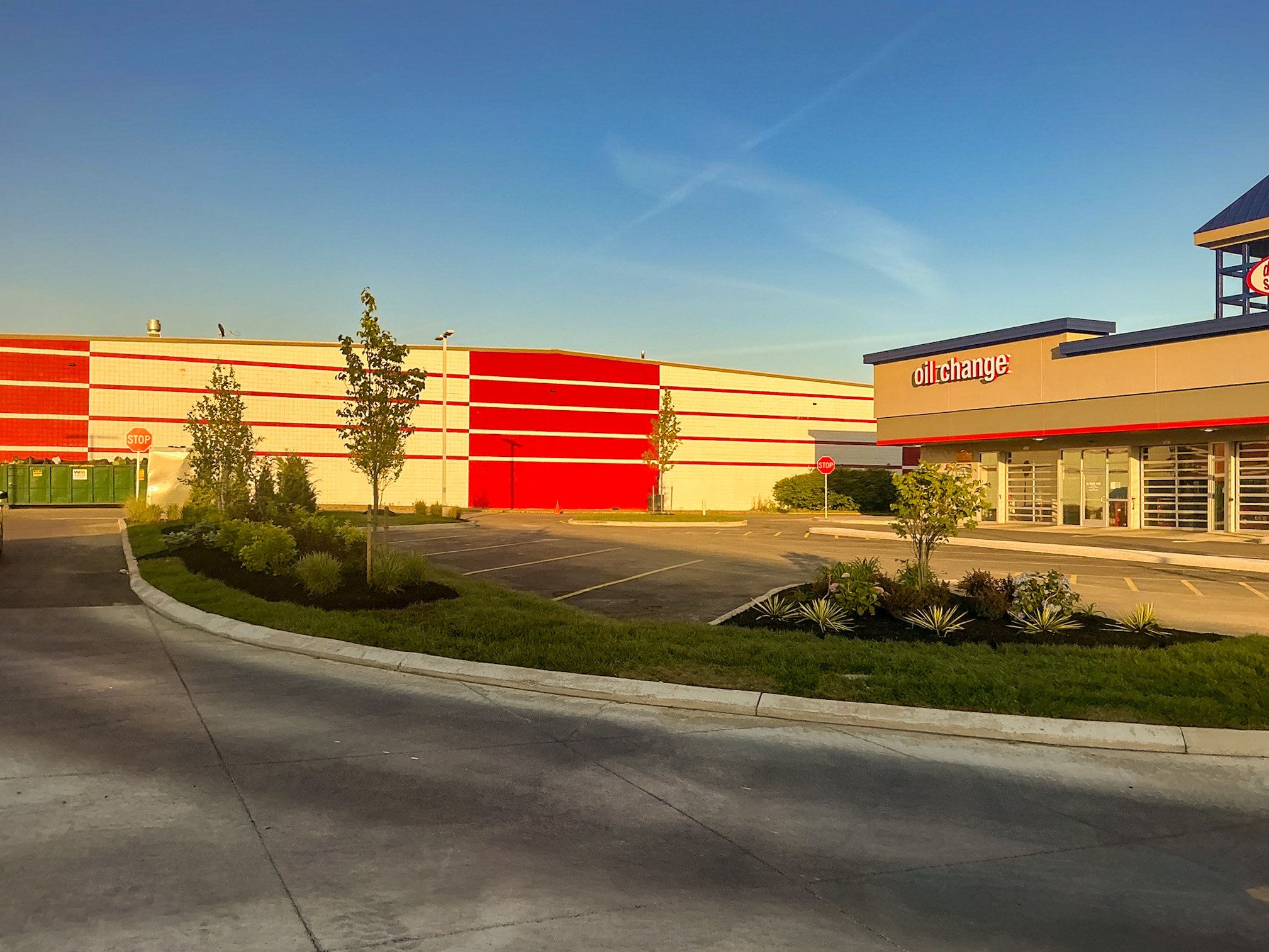
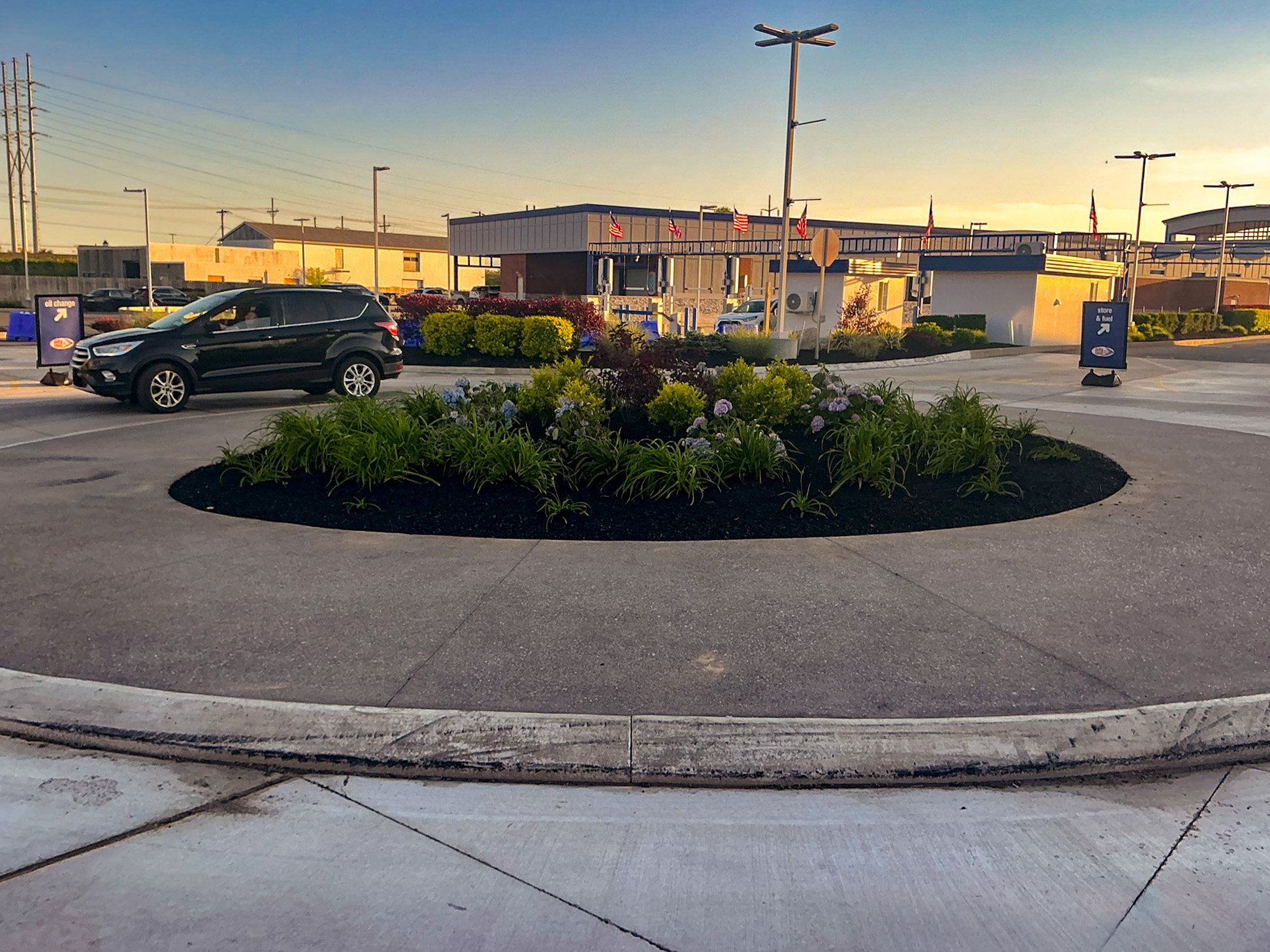
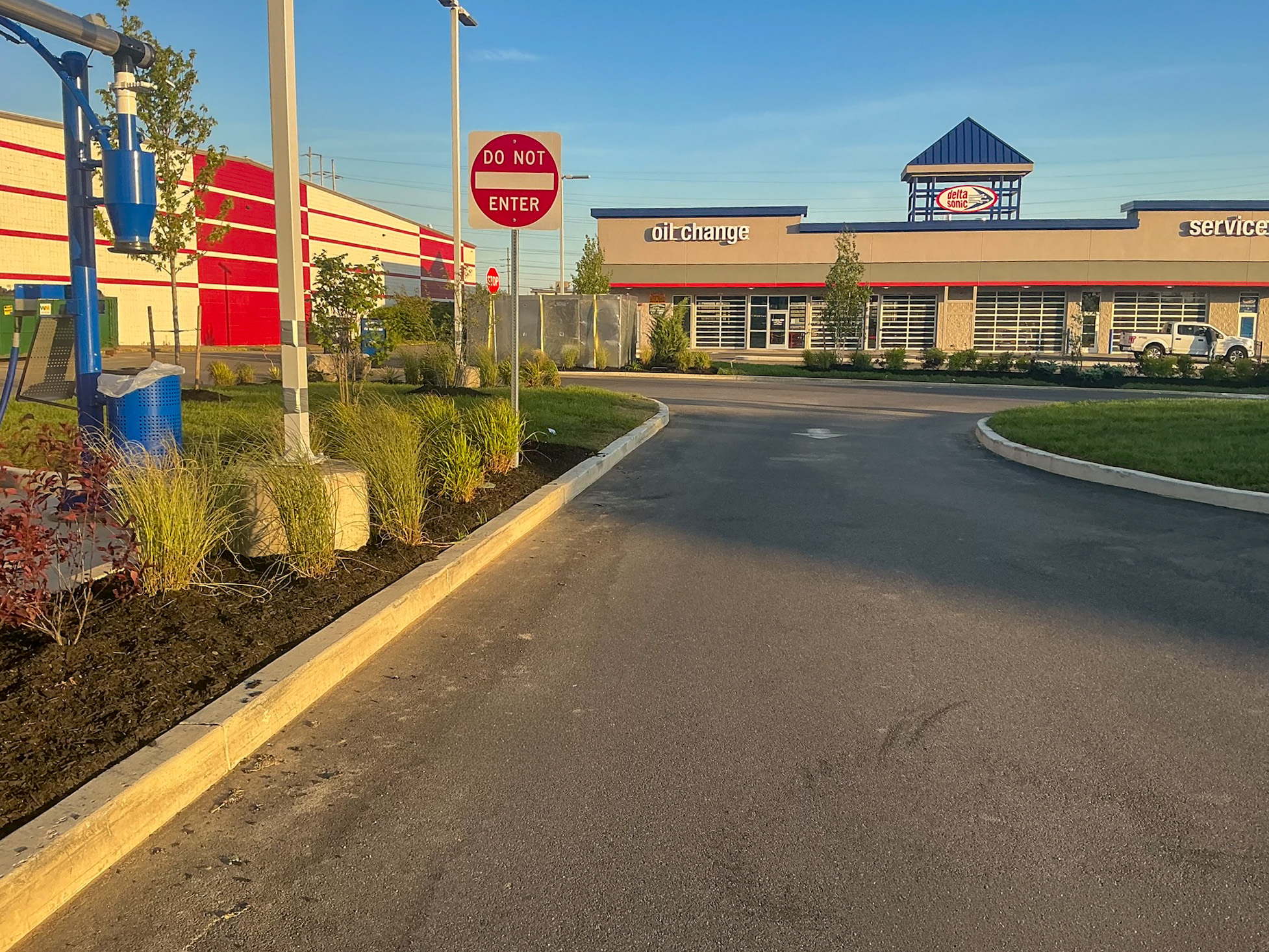
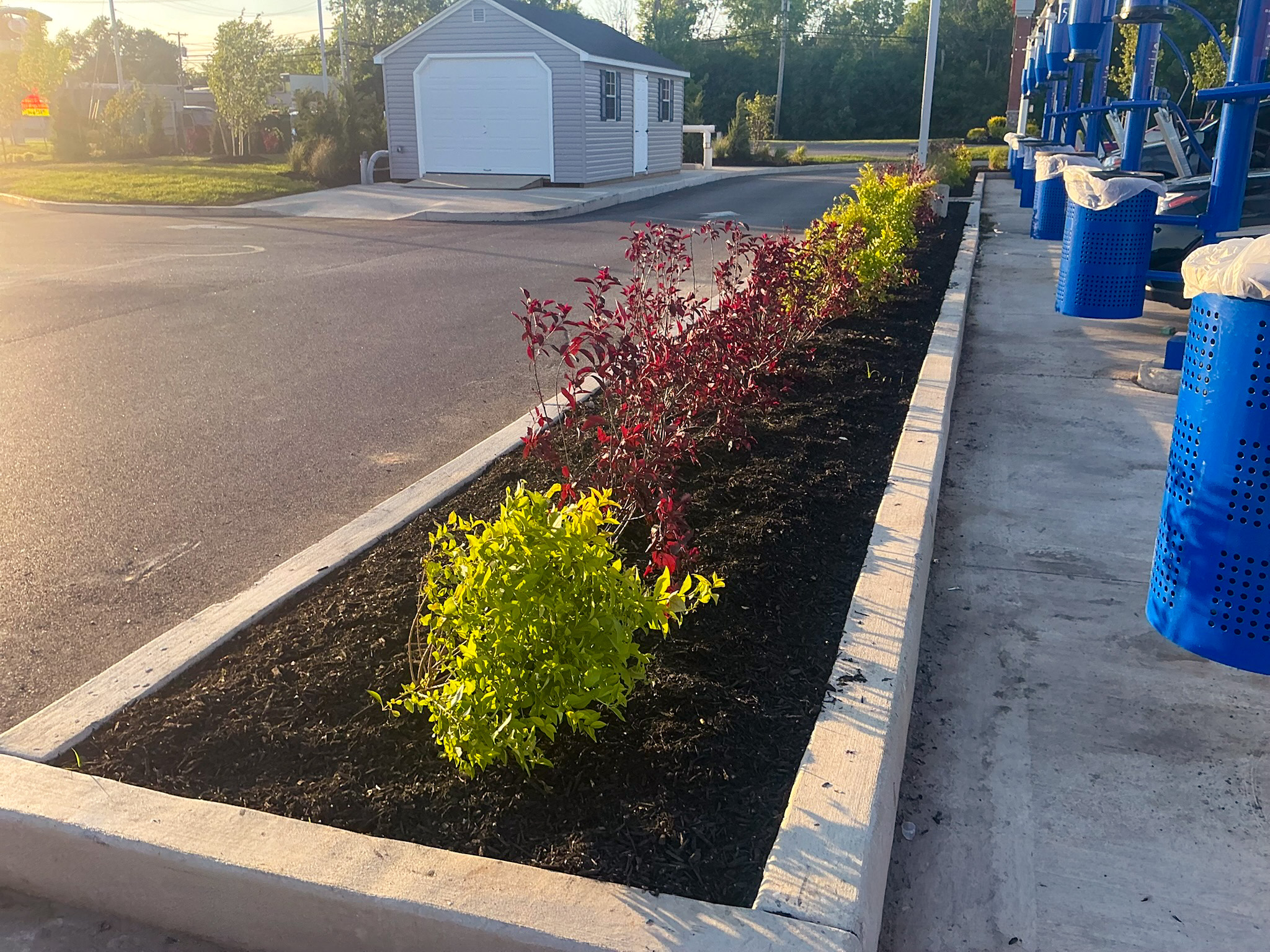
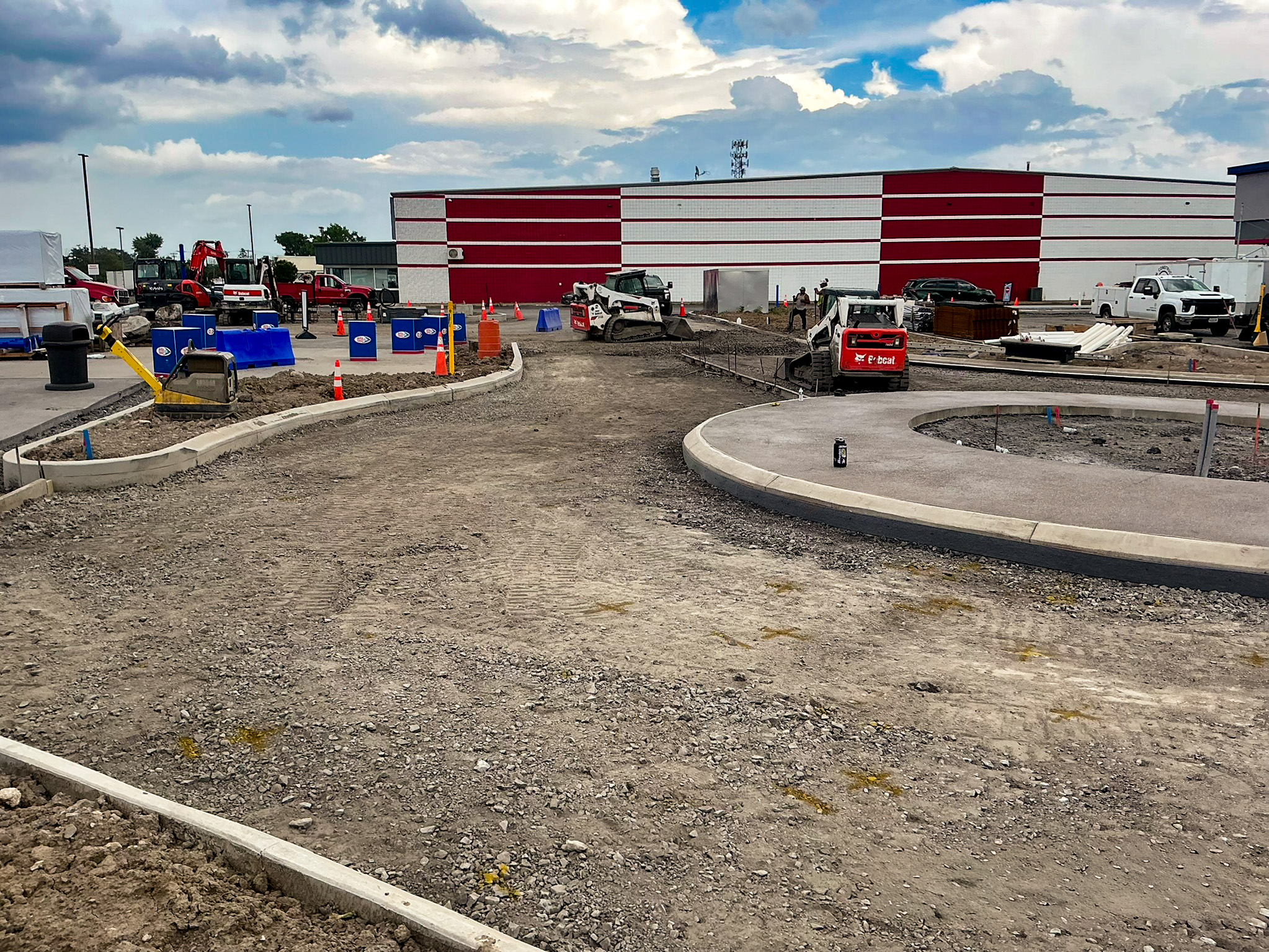
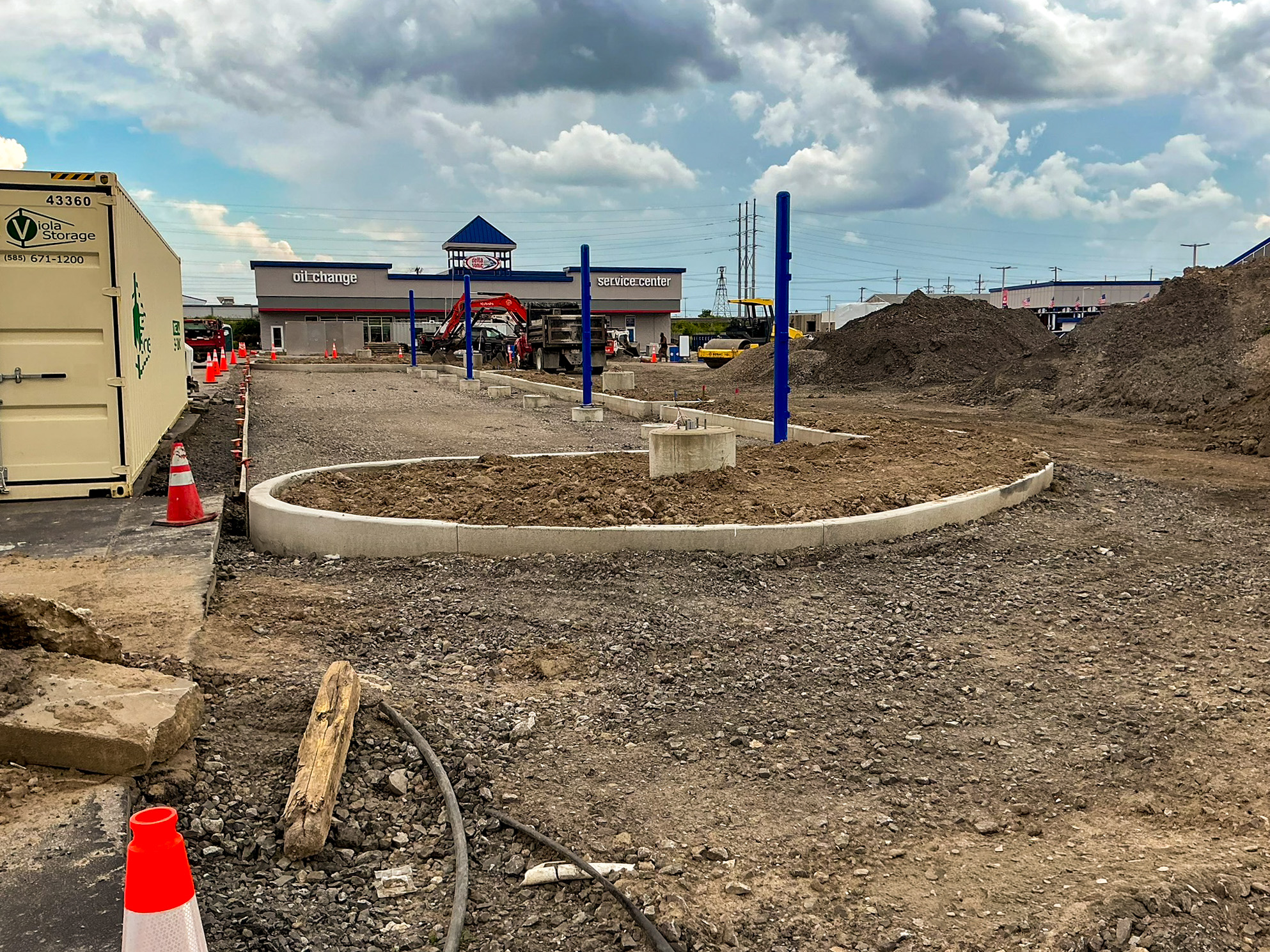
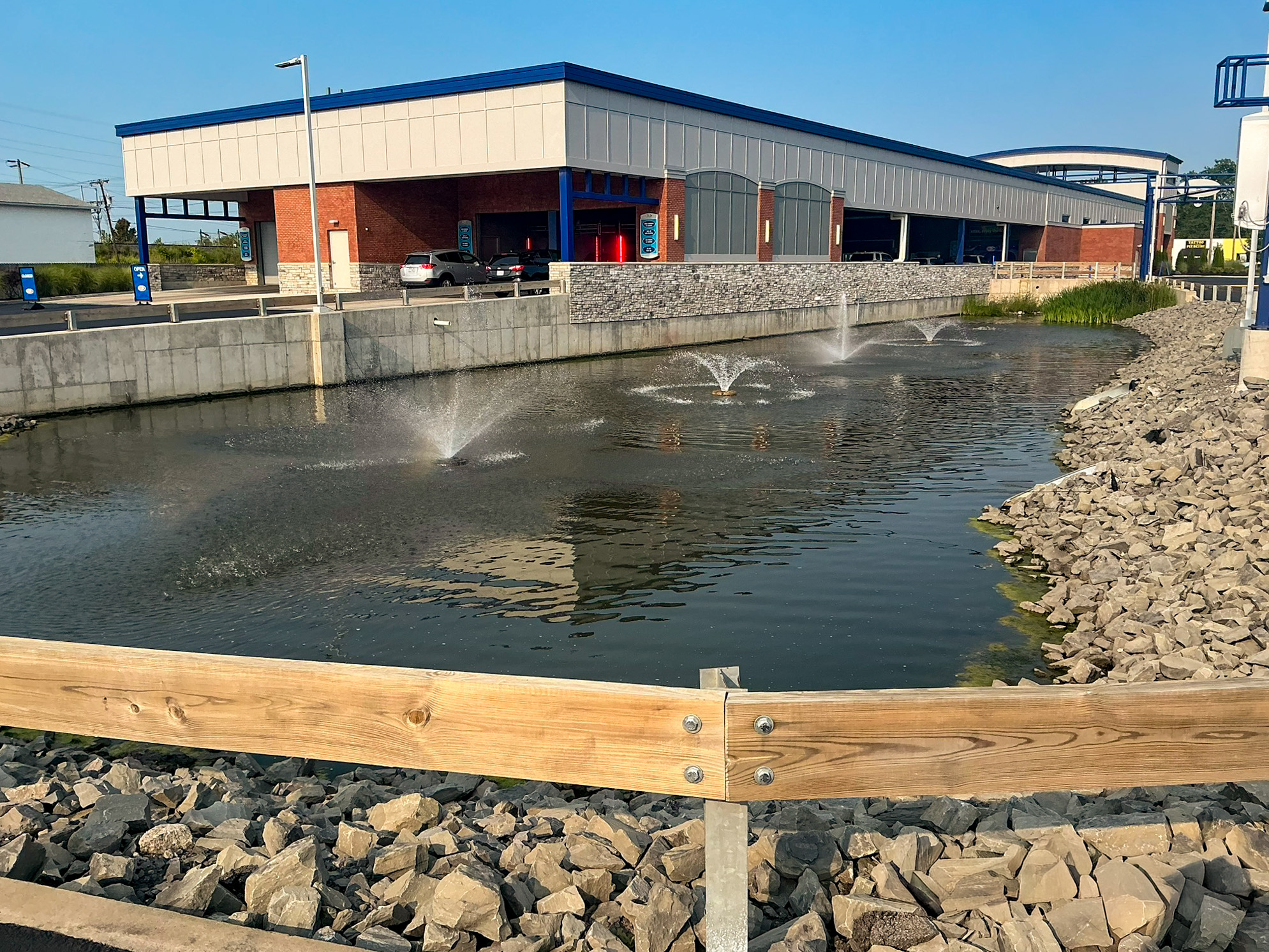
Delta Sonic Victor NY detailing and interior cleaning building with glass architecture and landscaped site designed by Costich Engineering.

Delta Sonic – Victor, NY

7463 Pittsford Victor Rd.
Victor NY 14564

Client: Victor, Ontario County, NY
Construction Completion: Summer 2025

Project Services: Civil Engineering, Land Surveying, Landscape Architecture, SWPPP Inspections, Building Pad Certification, Utility & Stormwater As-Builts, Site Development, Grading & Drainage Design, Construction Documentation & Construction Observation

Project Overview

For more than 20 years, Costich Engineering has been a trusted partner to Delta Sonic, delivering civil engineering, land surveying, and landscape architecture services across New York State. At the Victor, NY location, our team supported Benderson Development through every stage of site planning and construction, ensuring the successful delivery of a new full-service car wash and service facility. The project is part of Delta Sonic’s broader expansion in Victor, covered by local news outlets and the Rochester Business Journal.

Project Services Provided

Costich Engineering delivered a full suite of services to support the successful development of the Delta Sonic facility in Victor. Our civil engineering team guided the site’s design, grading, utilities, and stormwater management to ensure compliance and long-term performance. Our land surveying services included SWPPP inspections, building pad certifications, and detailed as-builts for utilities and stormwater facilities. Our landscape architects prepared plans that integrated sustainable, green infrastructure while enhancing the site’s overall appearance.

Project Highlights

  • Multi-disciplinary services spanning planning, surveying, engineering, and landscape architecture.

  • Timely delivery of key survey products, including a 7-day turnaround on building pad certifications.

  • Ongoing stormwater compliance inspections meeting NYSDEC SPDES requirements.

  • Detailed as-built documentation to support facility operations and future maintenance.

  • Strengthening a two-decade partnership with Delta Sonic through consistent results and trusted collaboration.

Status

Major phases were completed between 2021 and 2025, with Costich continuing to support Delta Sonic projects across the region. For more details about the Victor location, visit Delta Sonic’s official site.

Gallery