SWPPP Design, Inspection, and Compliance Services in New York State

SWPPP Design, Inspection, and Compliance Services in New York State

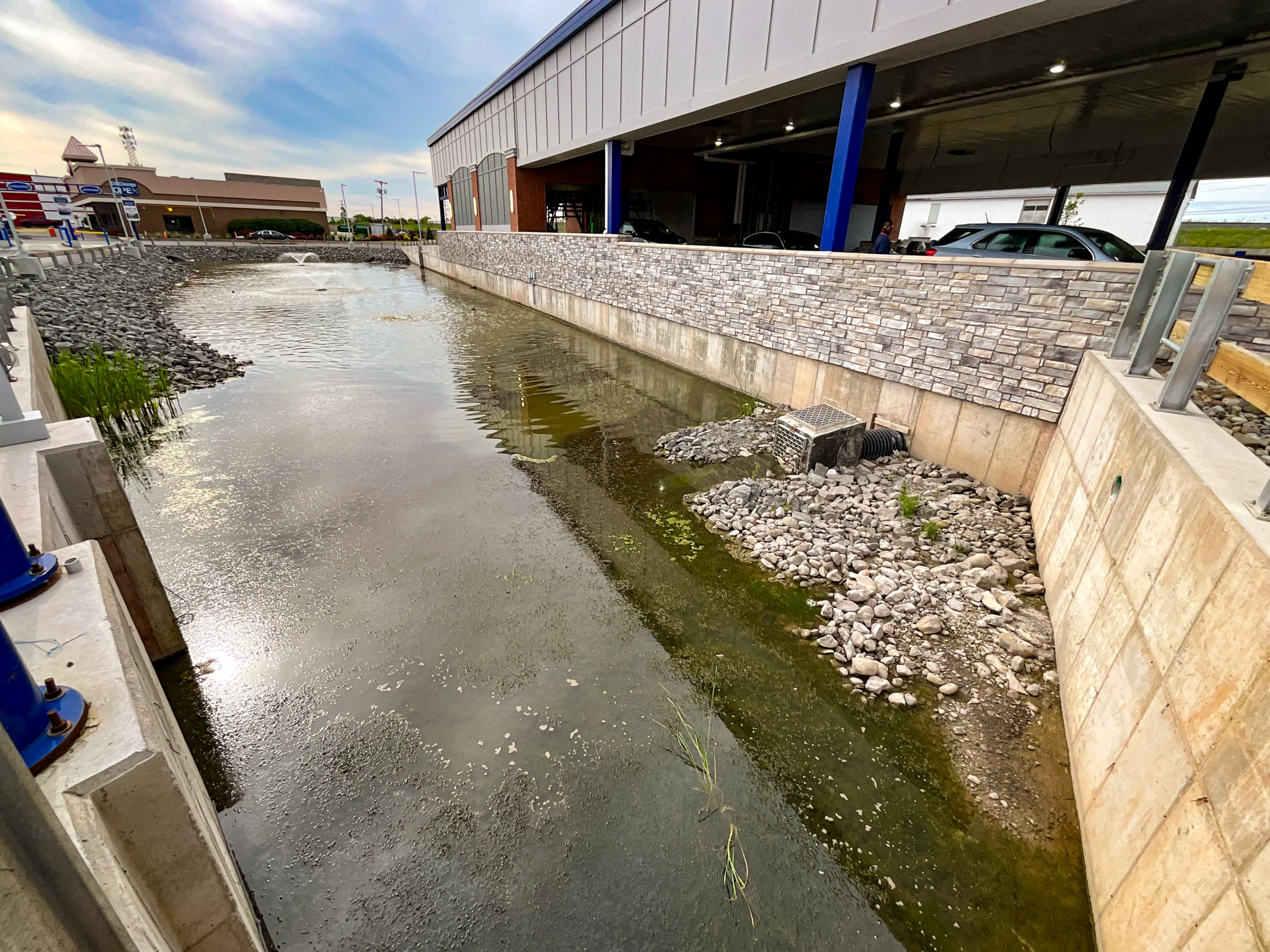
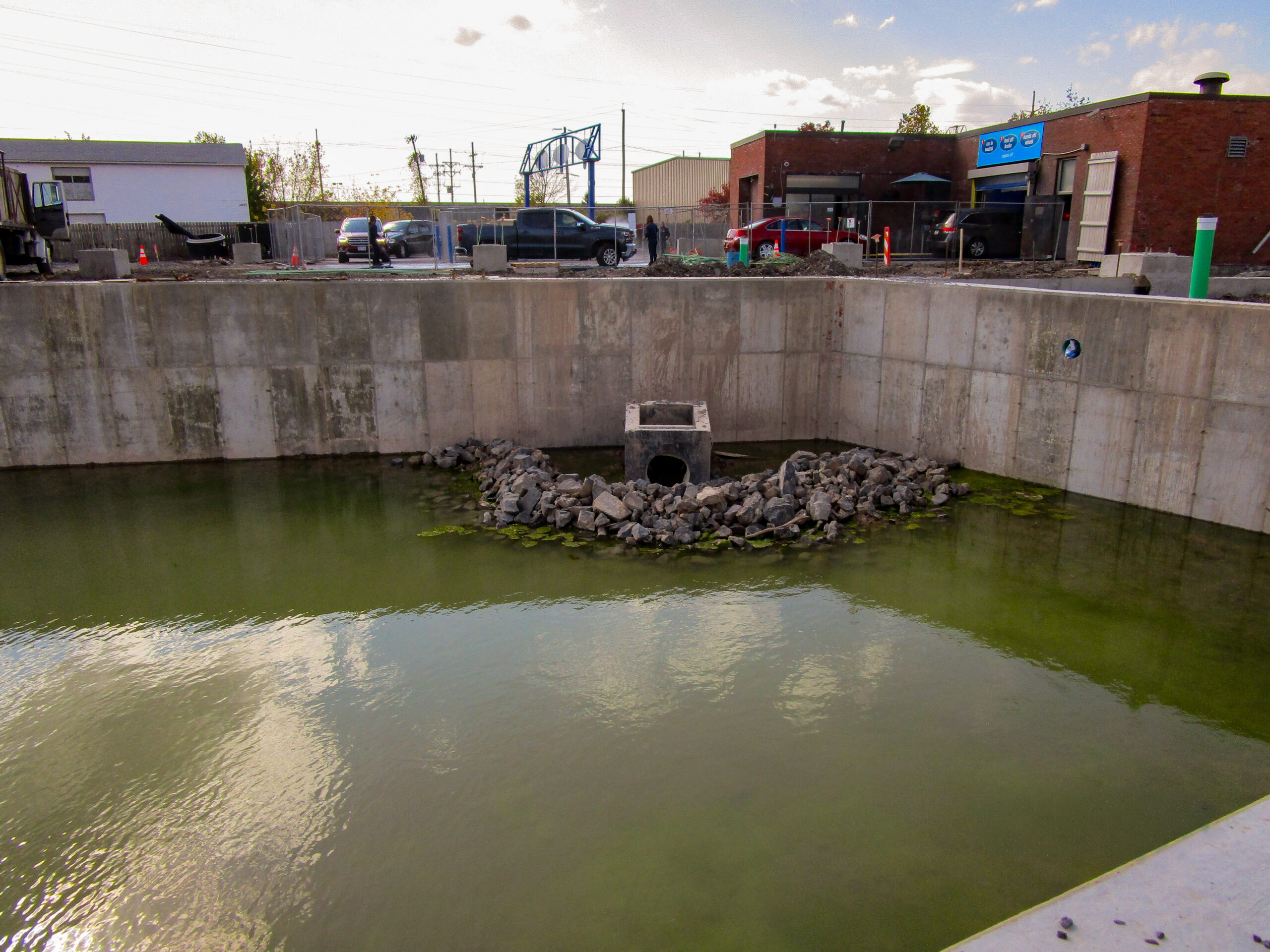
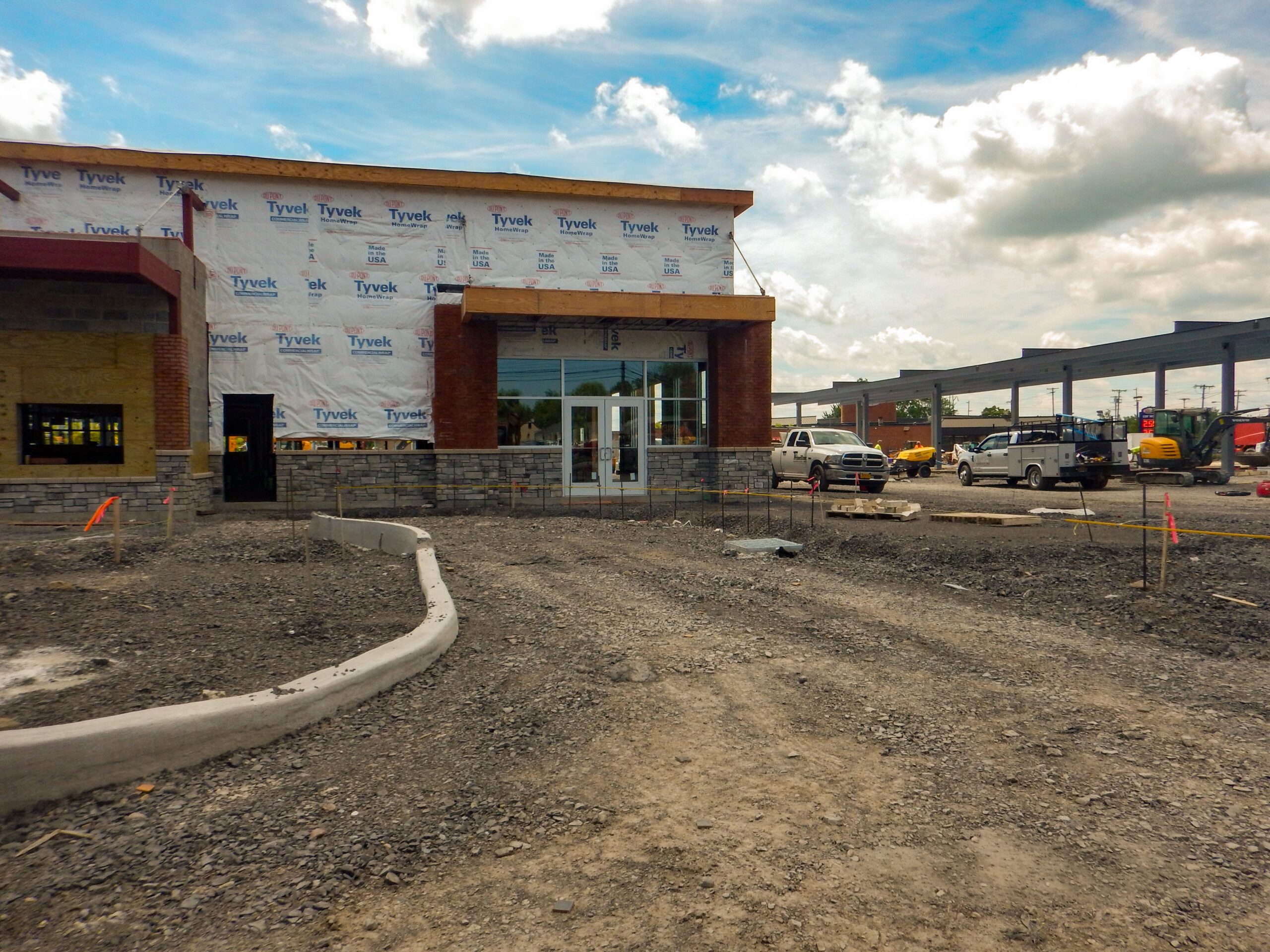
Costich Engineering, Land Surveying and Landscape Architecture, D.P.C. provides Stormwater Pollution Prevention Plan (SWPPP) services that support project compliance from initial design through construction closeout. Our civil engineering staff assists clients with SWPPP preparation in accordance with the New York State Stormwater Management Design Manual, New York State Department of Environmental Conservation (NYSDEC) State Pollutant Discharge Elimination System (SPDES) permit documentation, erosion and sediment control planning, construction-phase inspections, reporting, and coordination with contractors, owners, municipalities, and review agencies.

Costich has completed well over 1,000 SWPPP-related inspections, reports, and compliance assignments across New York State. Our experience spans commercial, municipal, recreational, industrial, residential, telecommunications, and public infrastructure projects. As a New York State, City of Rochester, and Monroe County certified Woman-Owned Business Enterprise (WBE), Costich also helps project teams meet MWBE participation goals on publicly funded work.

Our SWPPP Services

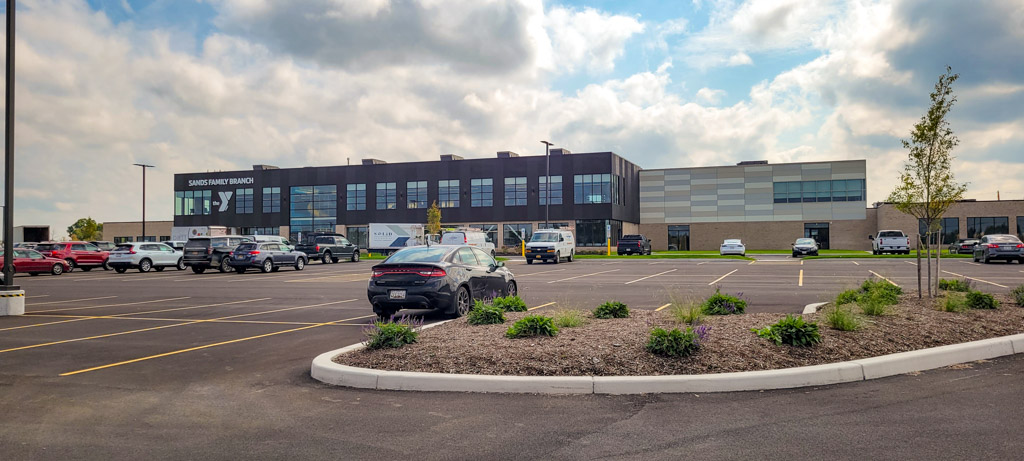
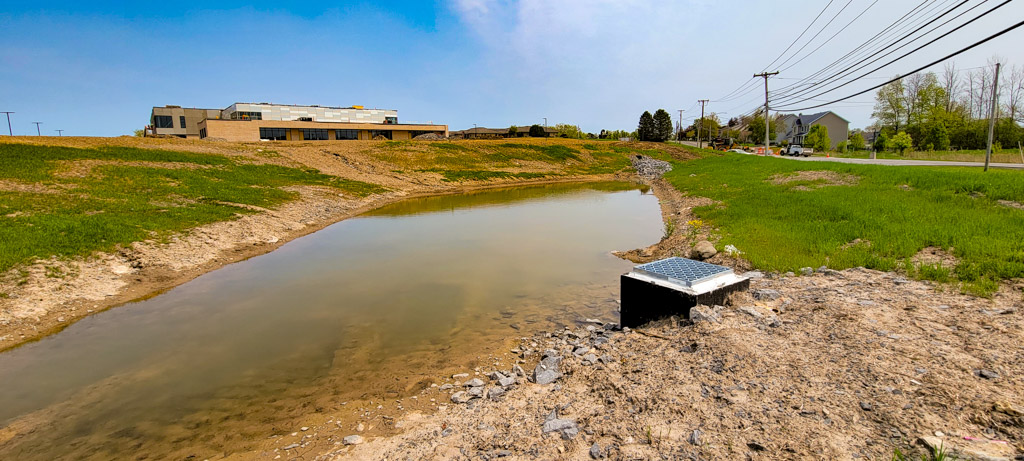
SWPPP review and permit documentation. Costich reviews project plans, site disturbance limits, drainage patterns, stormwater management requirements, and applicable NYSDEC SPDES General Permit criteria to prepare or support SWPPP documentation. This work may include preparation of SWPPP reports, SPDES permit materials, erosion and sediment control plans, inspection reports, and stormwater-related plan coordination. Because our staff also performs hydraulic calculations, water quality and quantity design, and site grading design, stormwater compliance is integrated into the project rather than treated as a standalone paperwork exercise.

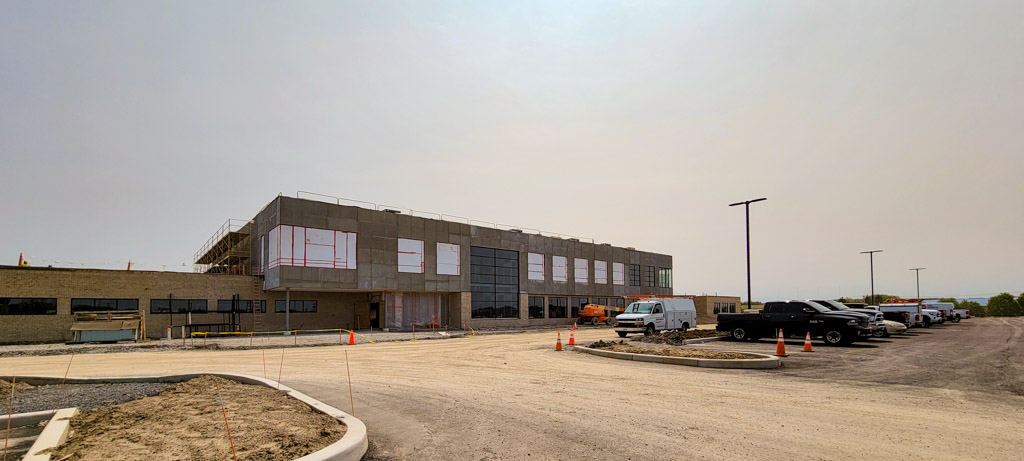
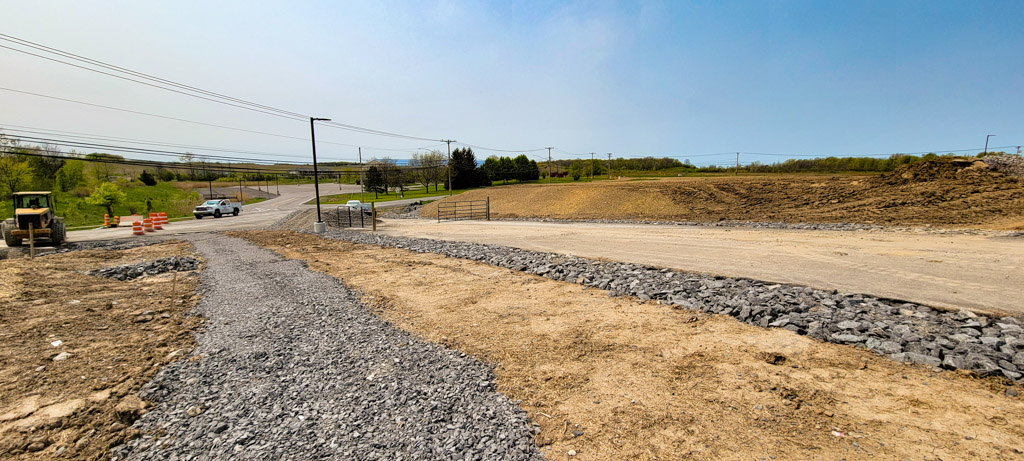
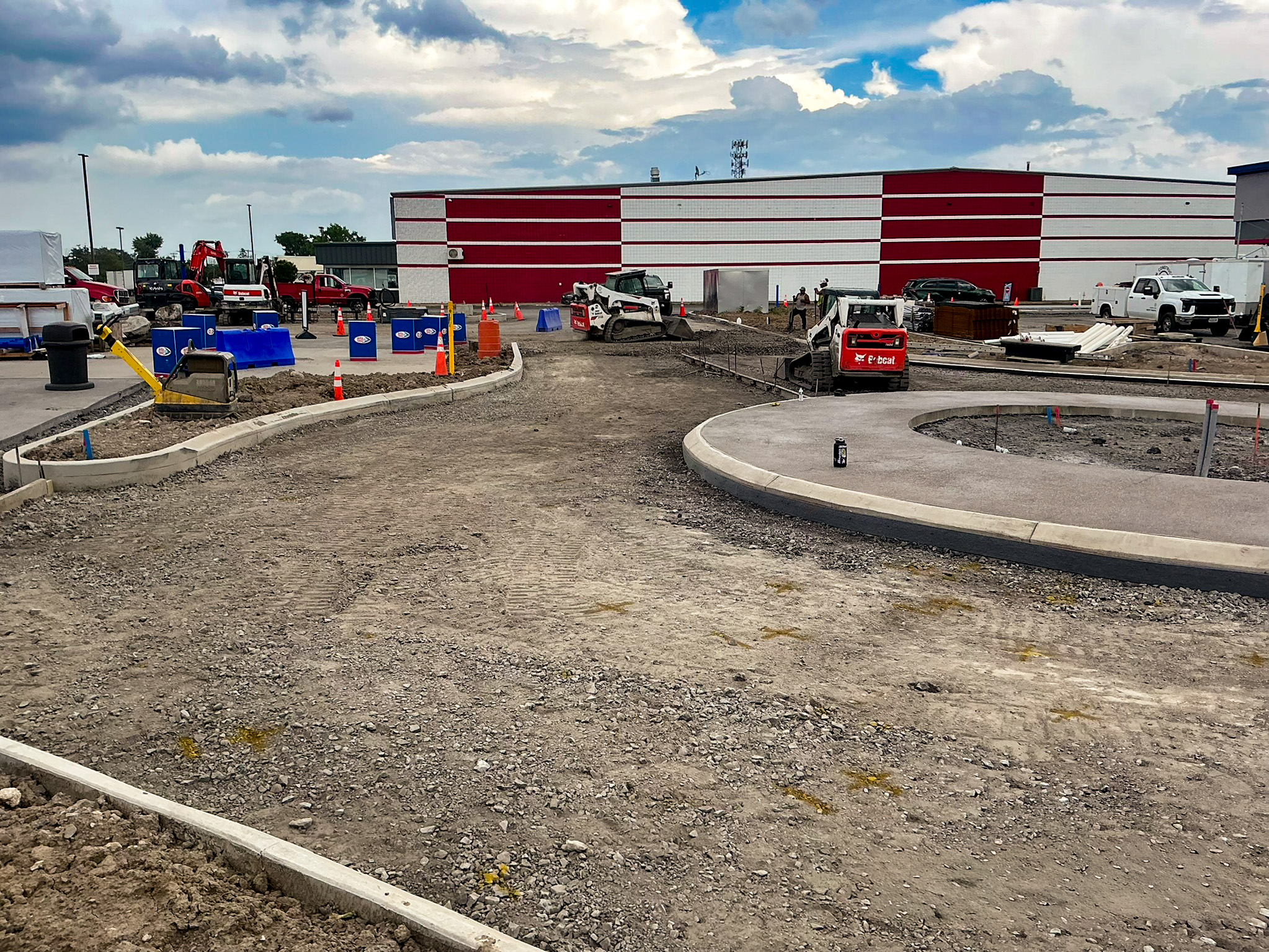
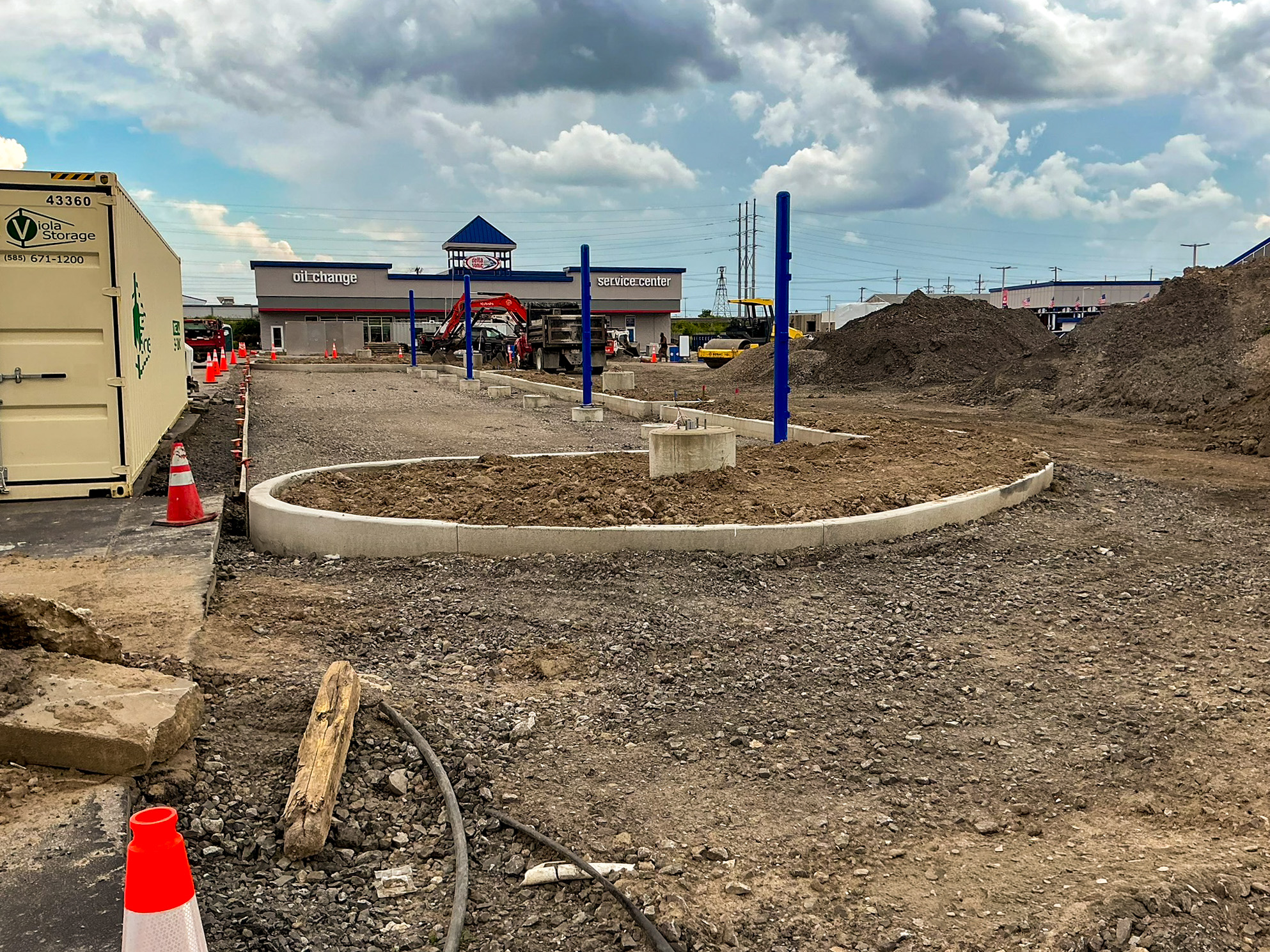
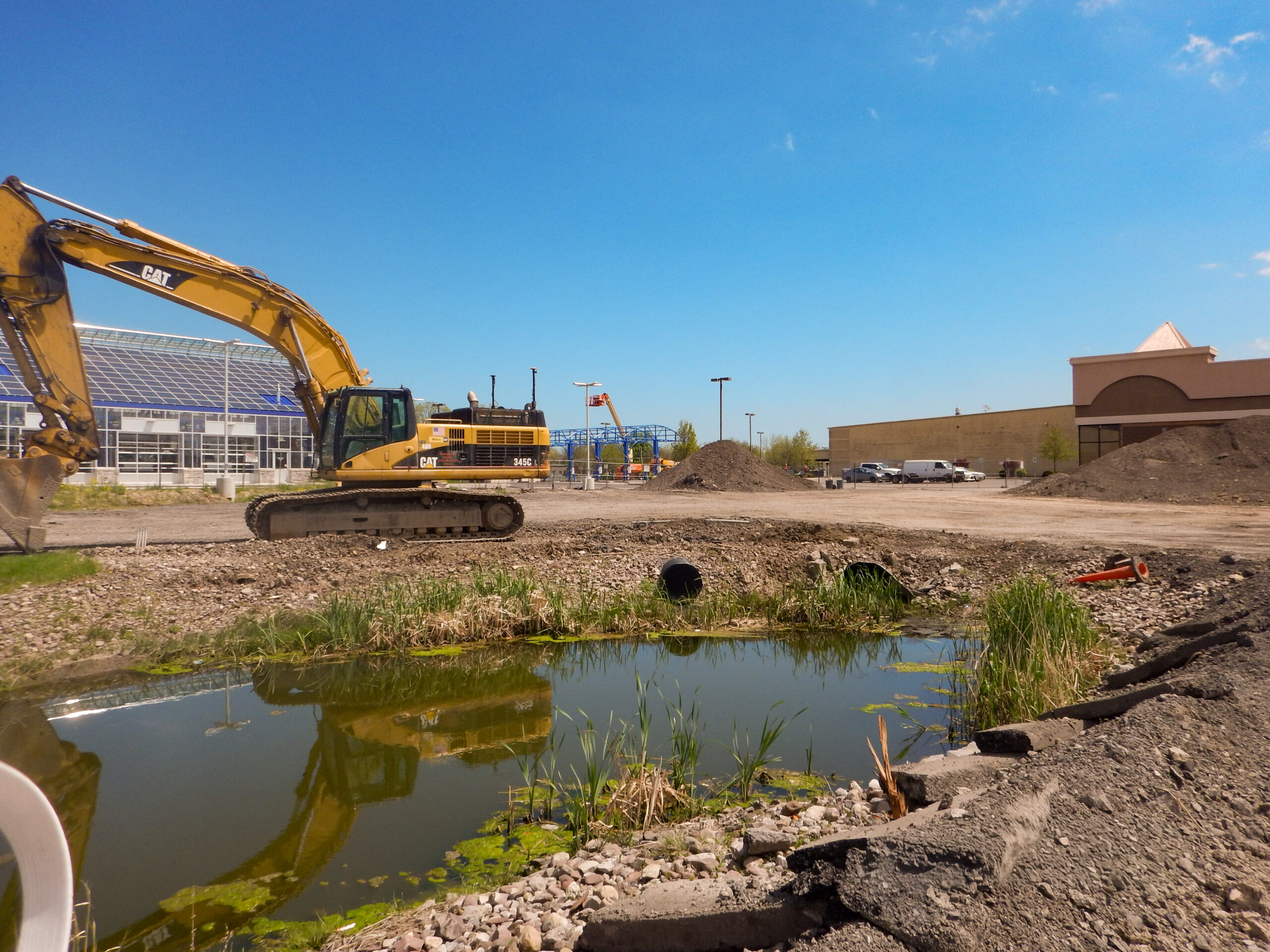
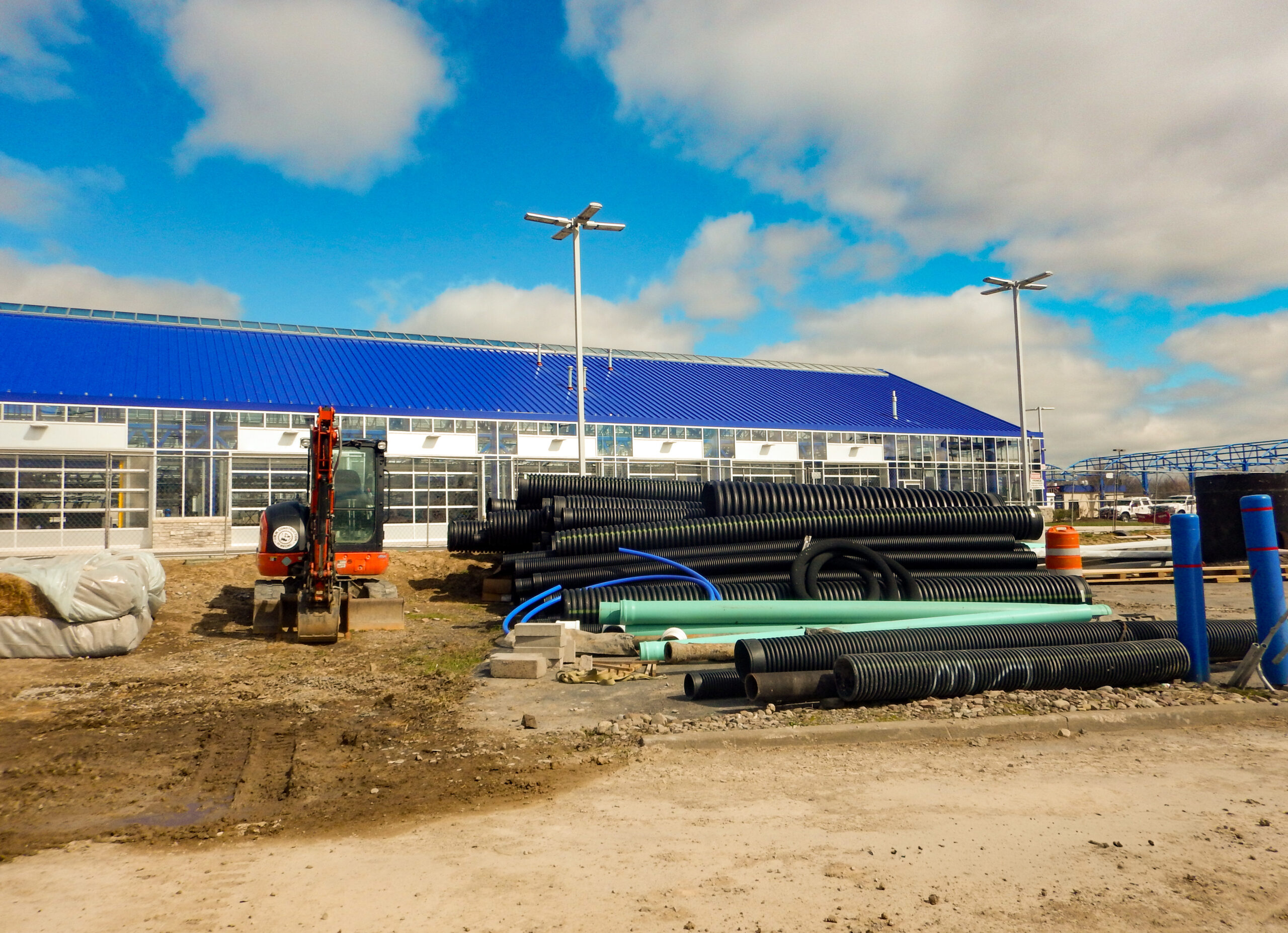
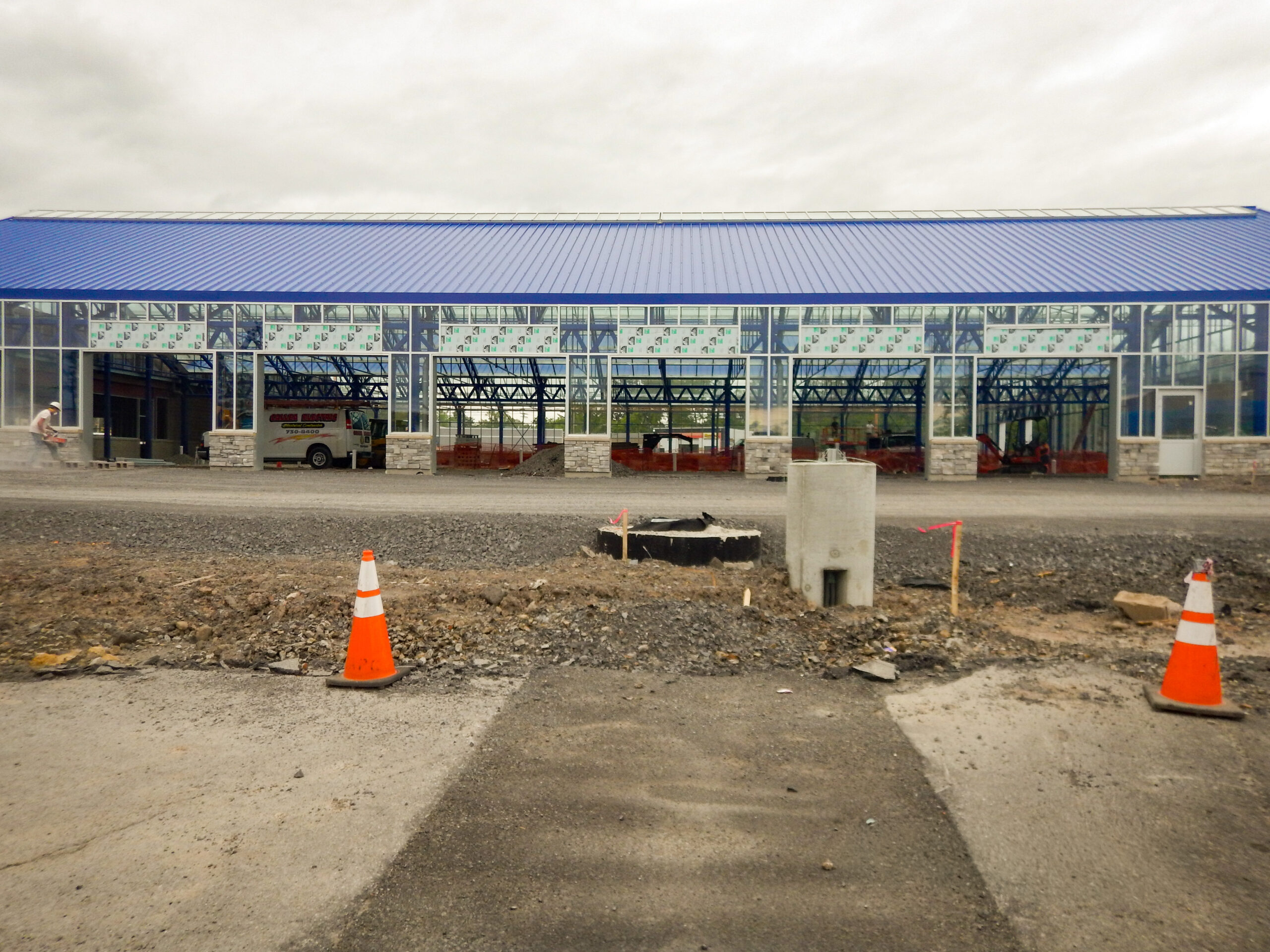
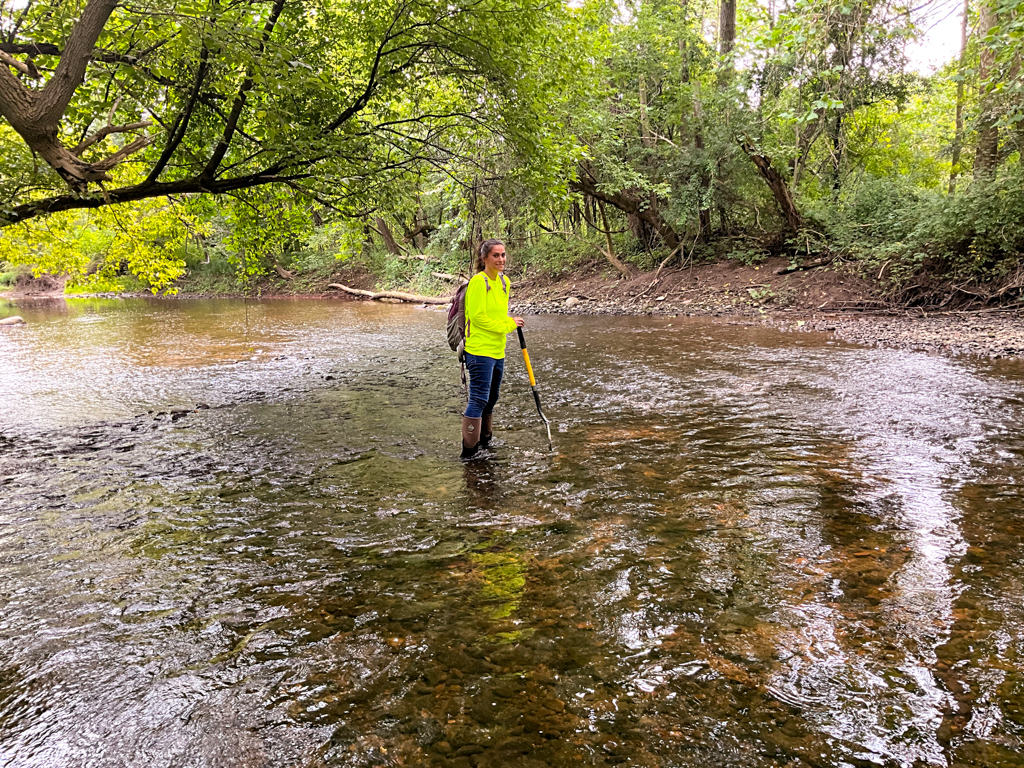
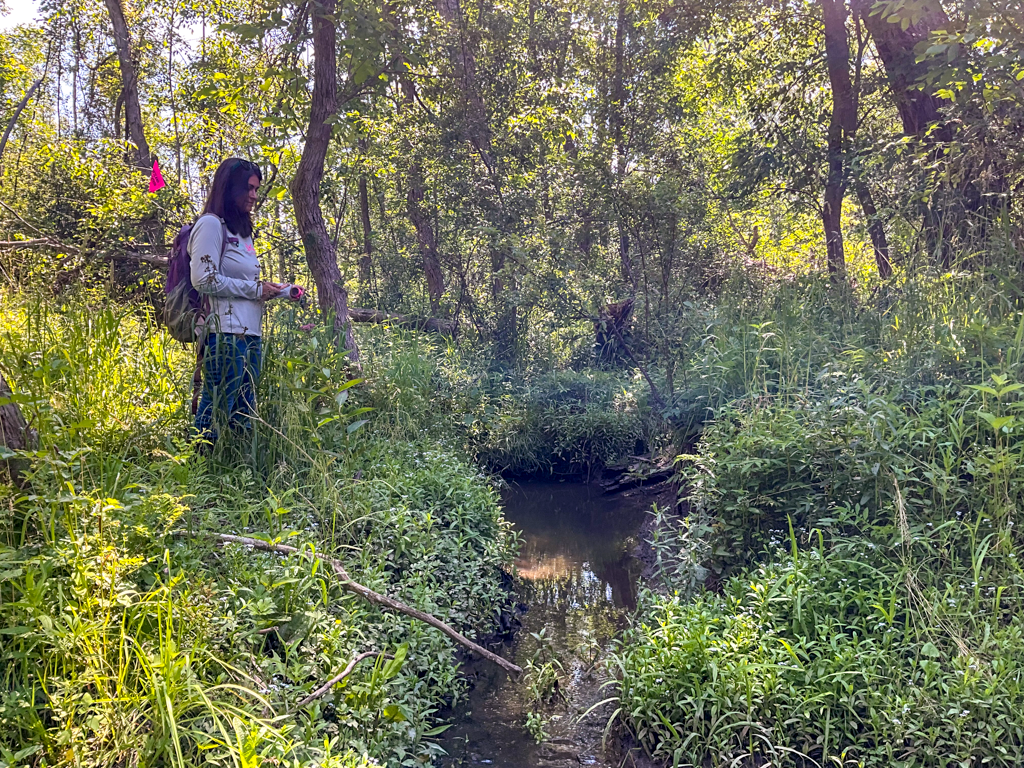
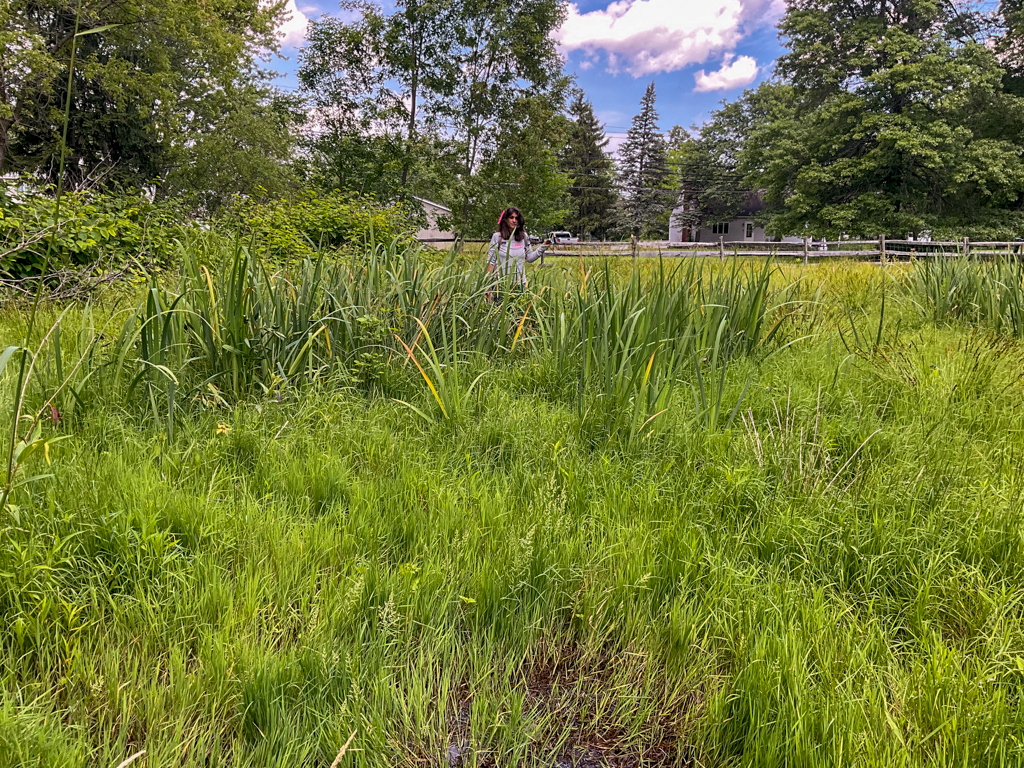
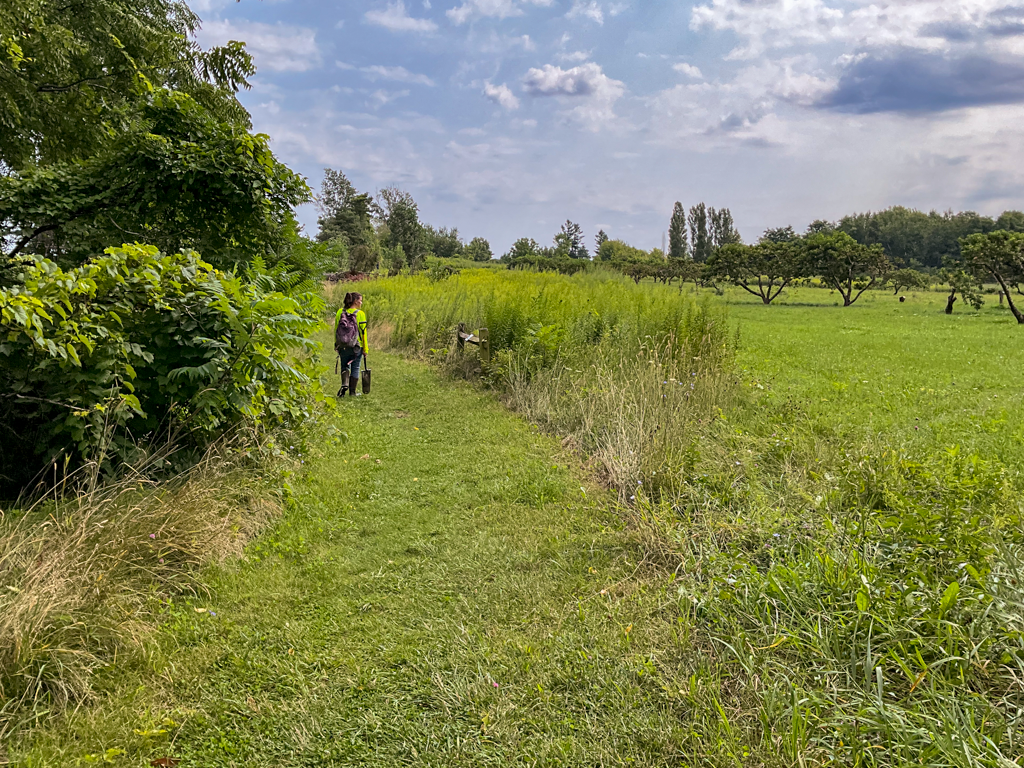
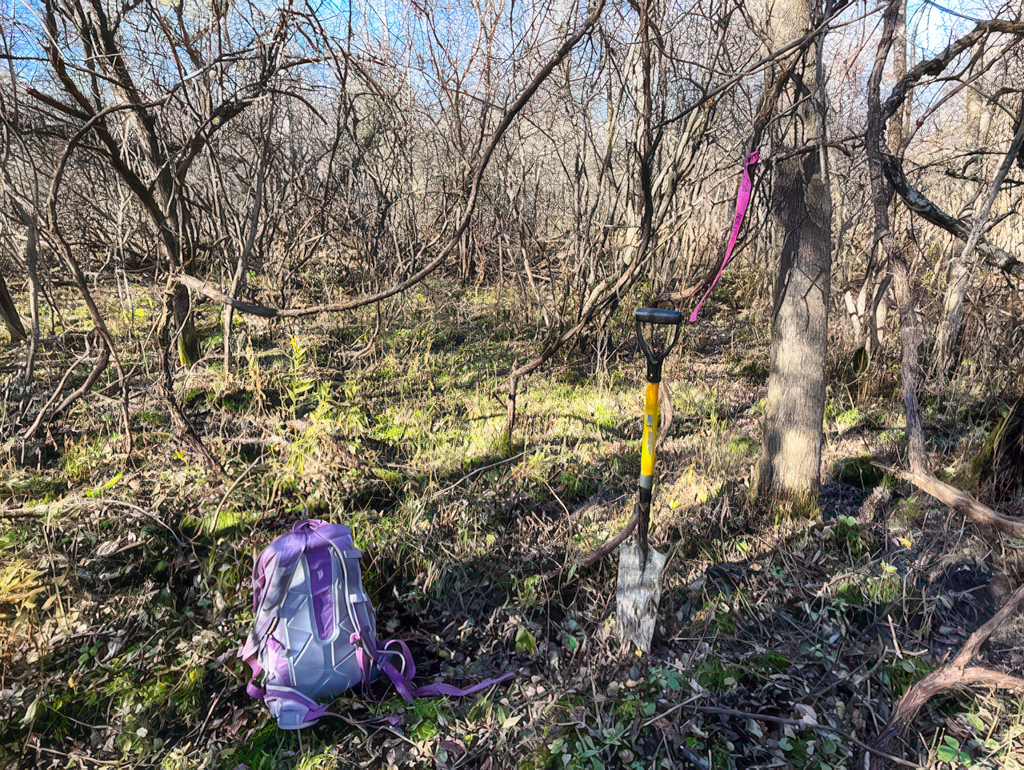
Construction-Phase SWPPP Inspections. During construction, Costich provides SWPPP inspections to review site conditions, erosion and sediment control measures, construction sequencing, disturbed areas, stabilization practices, and compliance with approved plans and permit requirements. The SPDES General Permit requires qualified inspections at regular intervals while soil disturbance is active, and inspection records must be maintained on site. Our inspection services help owners and contractors keep that documentation current and address field conditions as construction progresses.

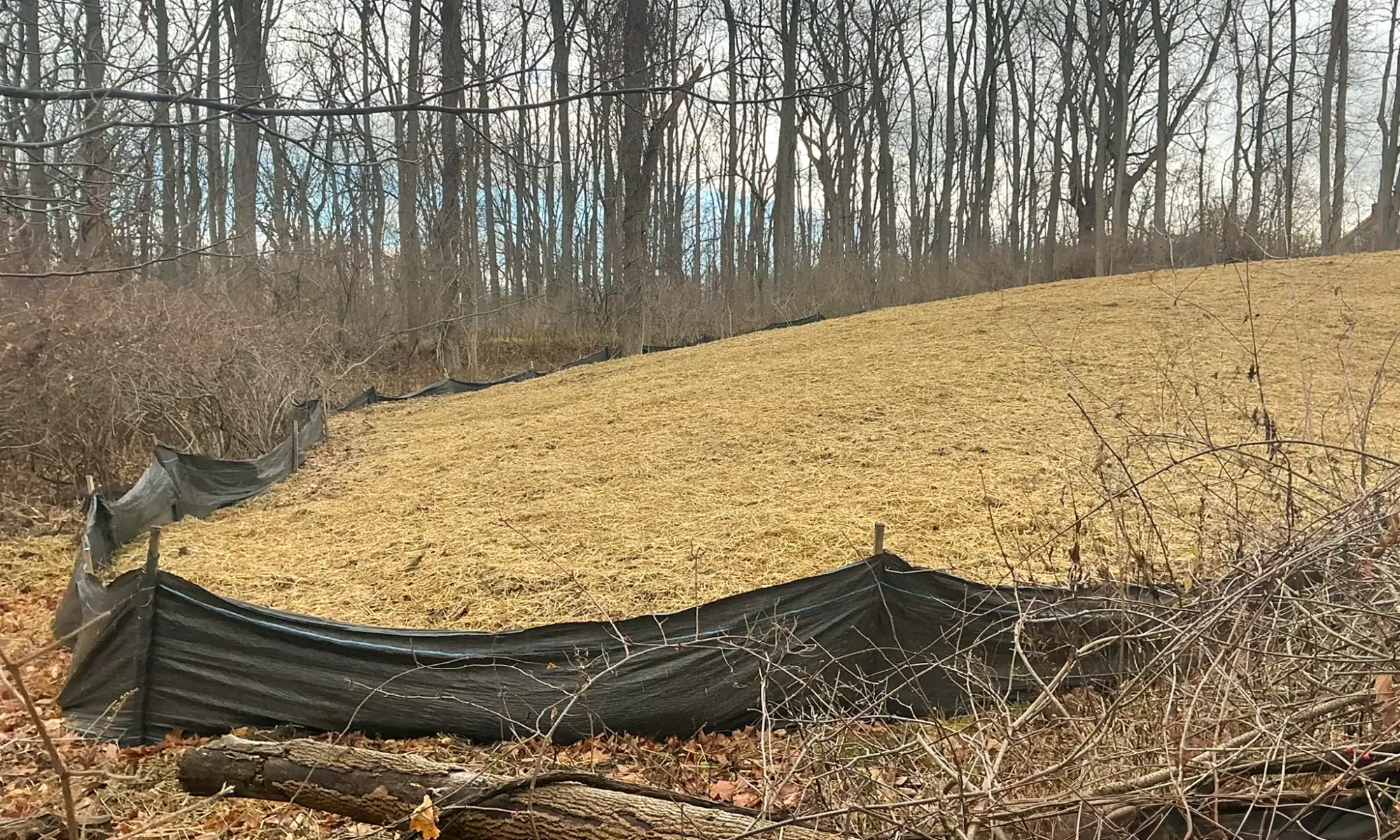
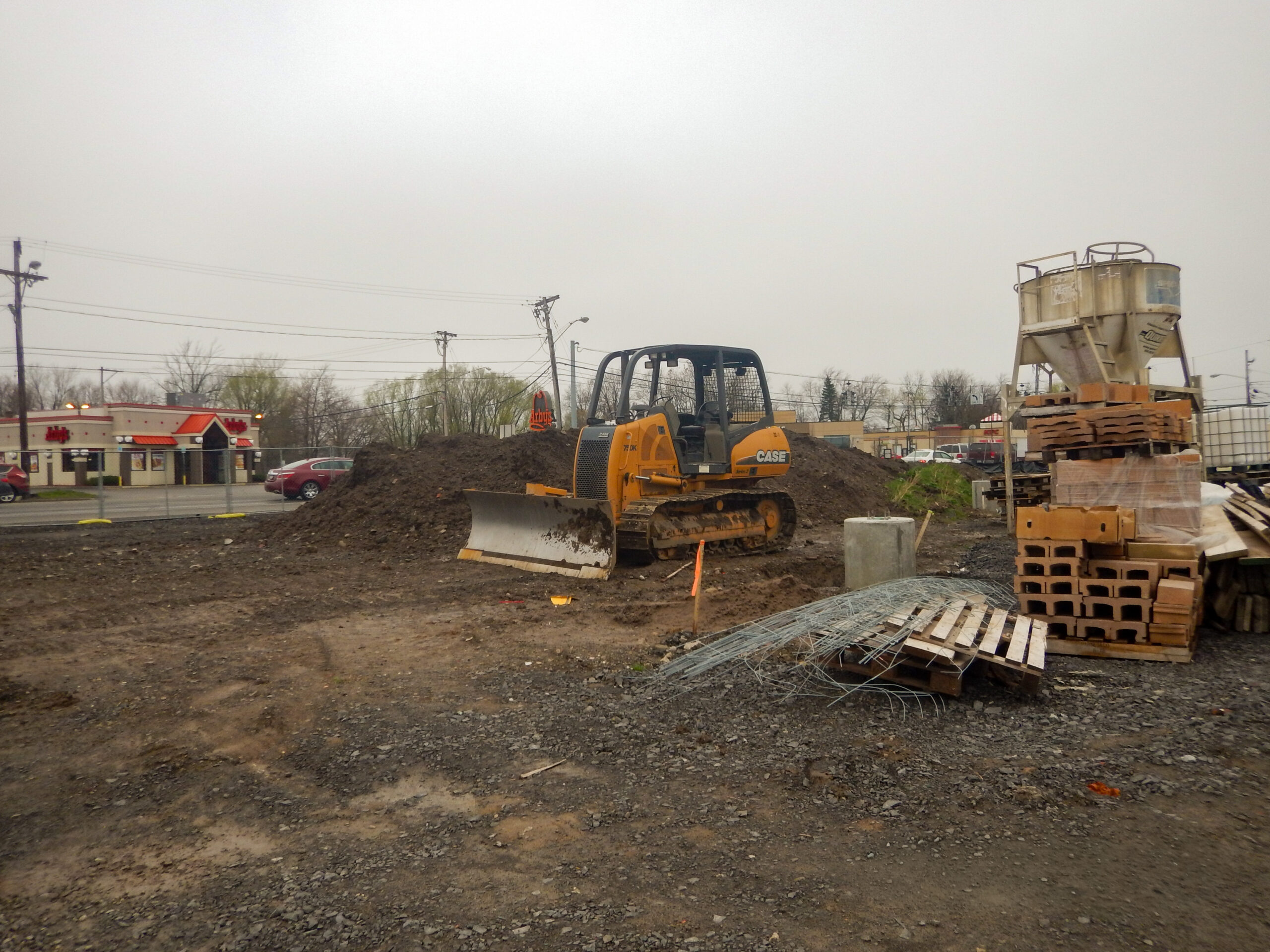
Erosion and Sediment Control Monitoring. Costich observes and documents the installation, maintenance, and performance of erosion and sediment control practices identified in the approved SWPPP. These measures commonly include stabilized construction entrances, silt fence, inlet protection, stockpile stabilization, temporary seeding, and permanent stabilization. When deficiencies are identified, our team coordinates with contractors to recommend corrective actions and documents the resolution, keeping the project’s compliance record complete and defensible.

Reporting, Coordination, and Notice of Termination. Costich prepares inspection reports, maintains SWPPP documentation, tracks corrective actions, and coordinates with project teams, contractors, owners, and review agencies throughout construction. At project closeout, we assist with final stabilization review, permit closeout documentation, and the Notice of Termination (NOT) process that formally ends SPDES permit coverage. Closing out a permit correctly protects owners from ongoing liability and lingering compliance obligations after construction is complete.


Why Work with Costich on Stormwater Compliance. Costich does not perform construction. We serve as the designer, oversight provider, and compliance monitor, which means our documentation reflects an independent professional review of site conditions. Our integrated approach, combining design experience with field inspection, helps project teams maintain compliance, document site conditions accurately, and respond efficiently as conditions change during construction. Contact our team to discuss SWPPP support for your next project.

FAQ (Frequently Asked Questions)

A Stormwater Pollution Prevention Plan is a site-specific document that identifies how a construction project will prevent sediment and pollutants from leaving the site and entering nearby waterways. In New York State, most construction activities that disturb one acre or more of land require coverage under the NYSDEC SPDES General Permit for Stormwater Discharges from Construction Activity, and a SWPPP is a core requirement of that coverage. The plan describes erosion and sediment control practices, stormwater management measures, inspection procedures, and the responsibilities of the parties involved.

A SWPPP is generally required for construction activities that disturb one acre or more of soil, which triggers coverage under the NYSDEC SPDES General Permit for Stormwater Discharges from Construction Activity. Smaller sites may also require a SWPPP if they are part of a larger common plan of development or if a local municipality imposes its own stormwater requirements.

Under the current SPDES General Permit, qualified inspections are typically required at least once every seven calendar days while soil disturbance is ongoing. For sites with five or more acres of disturbance, inspections are required twice within each seven-day period, with at least 48 hours between inspections. Twice-weekly inspections may also apply to smaller sites when an impaired waterbody is present, at the discretion of the local municipality. The approved SWPPP for each project defines the specific inspection schedule and documentation requirements.

SWPPP inspections must be performed by a qualified inspector as defined by the NYSDEC SPDES General Permit, which generally means someone trained in erosion and sediment control principles working under the direction of appropriate professional oversight. Costich provides qualified inspection staff supported by licensed professional engineers.

Once final stabilization is achieved, the owner or operator files a Notice of Termination with NYSDEC to end SPDES permit coverage. Costich assists with the final stabilization review and closeout documentation needed to support that filing.

Yes. Costich provides SWPPP design, inspection, and compliance services for projects throughout New York State.

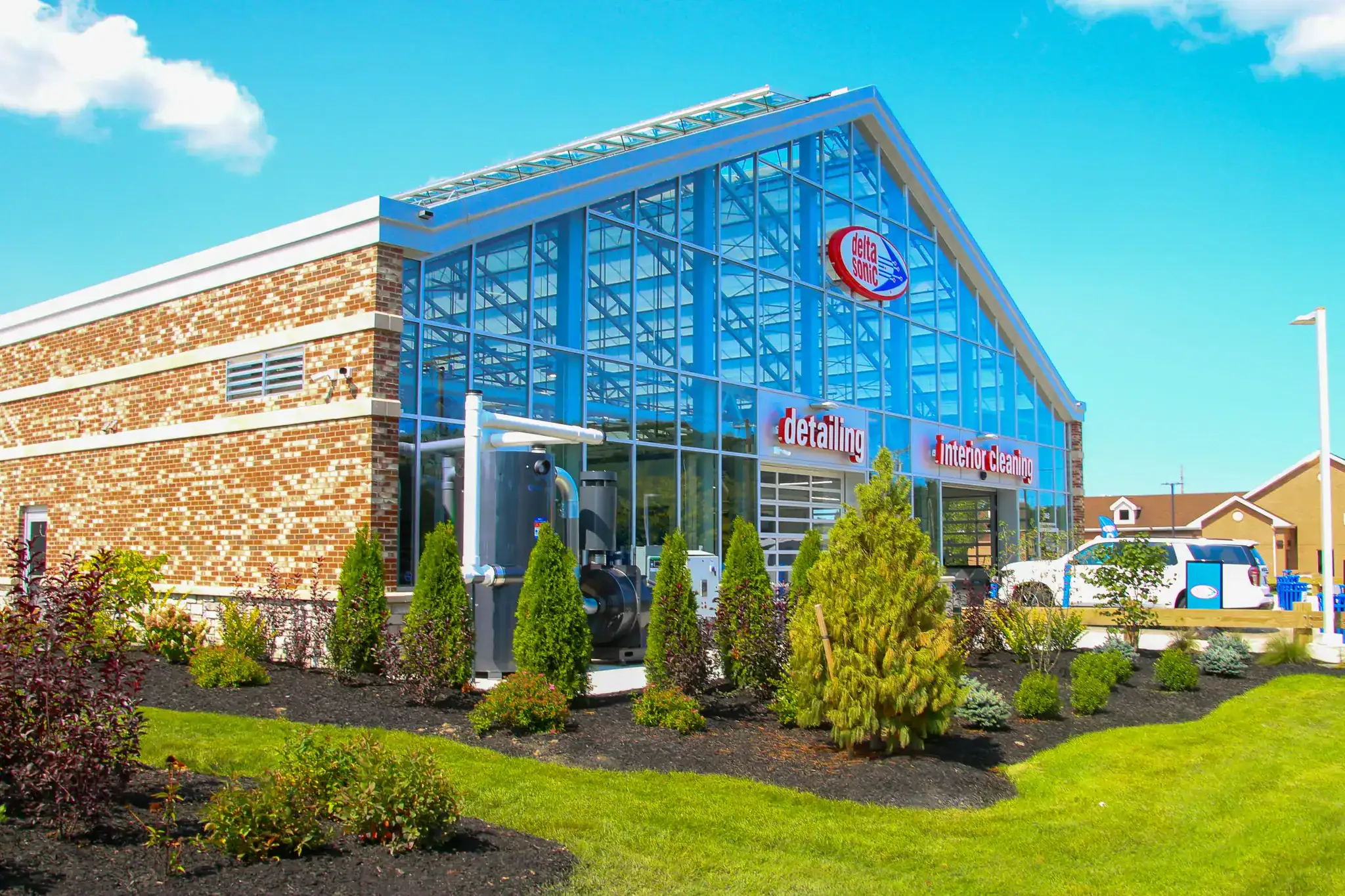
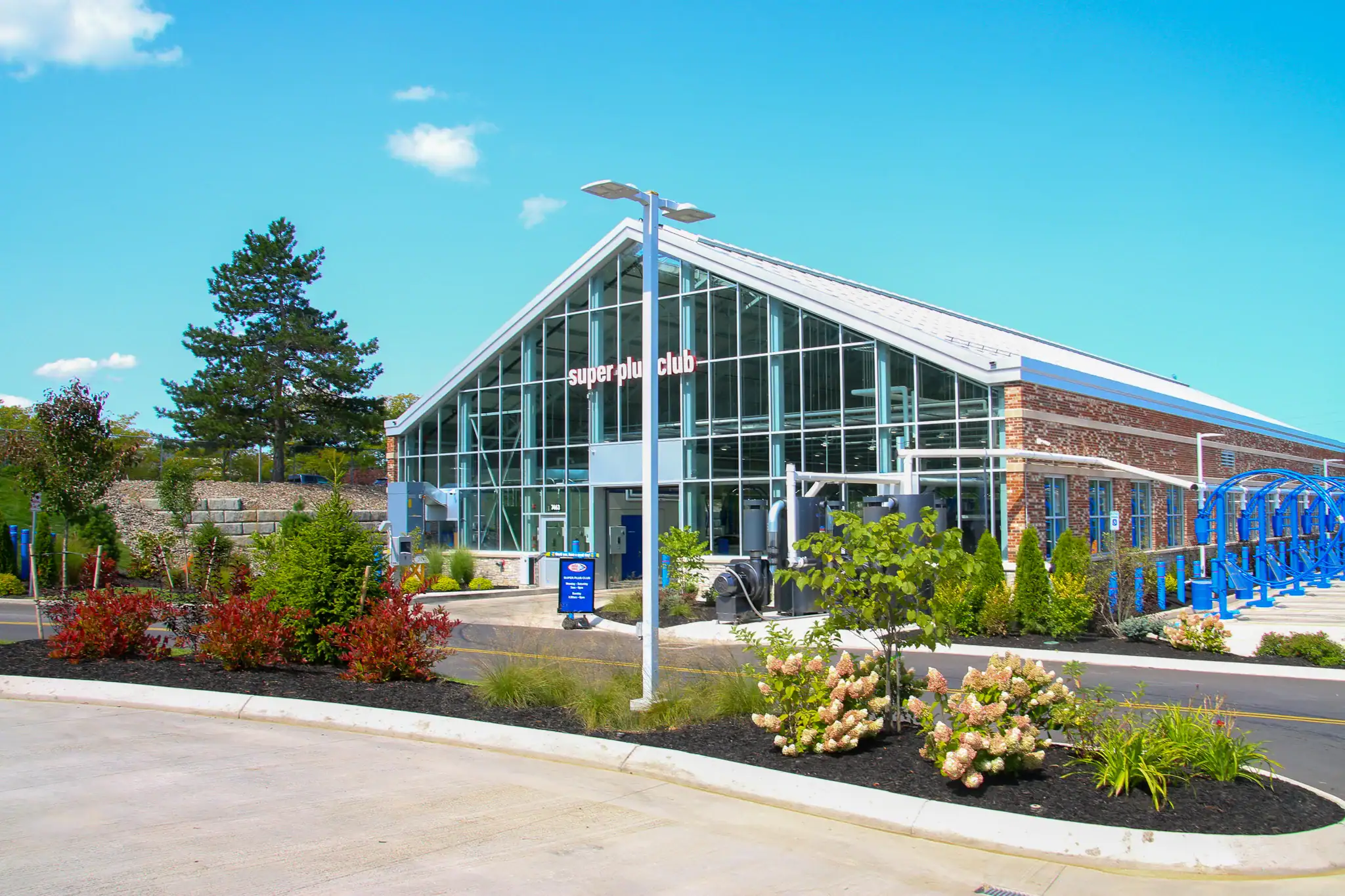
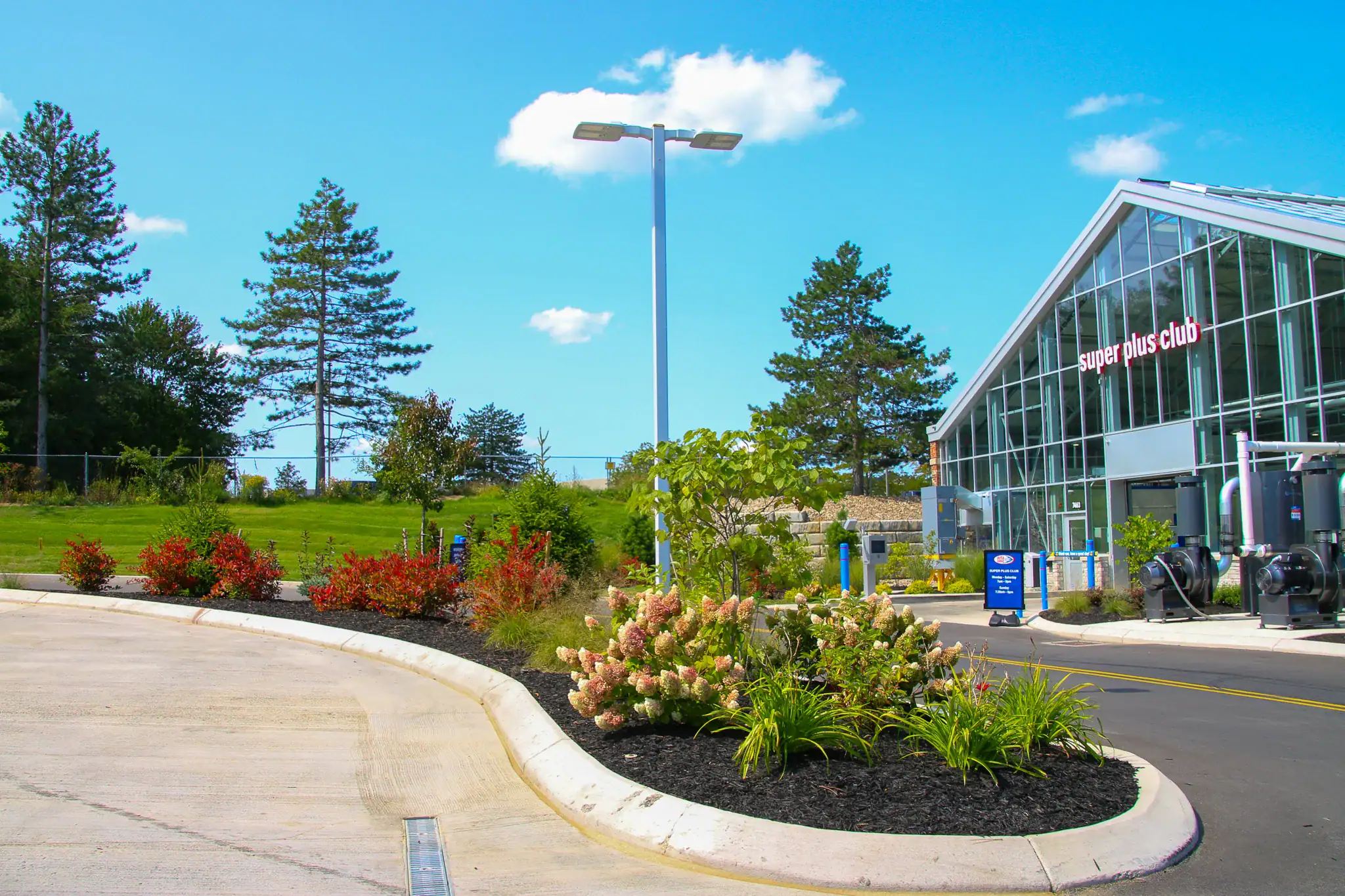
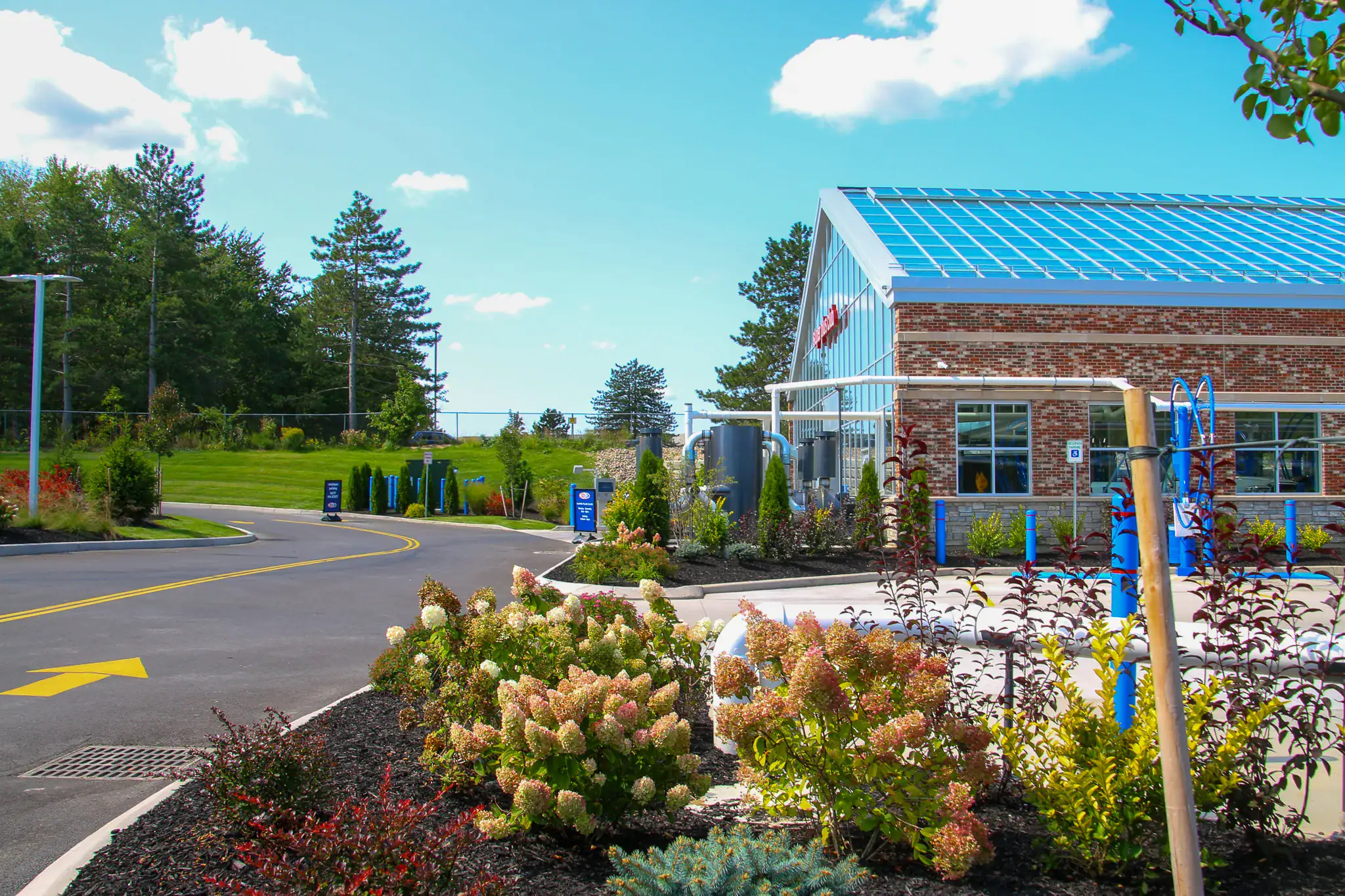
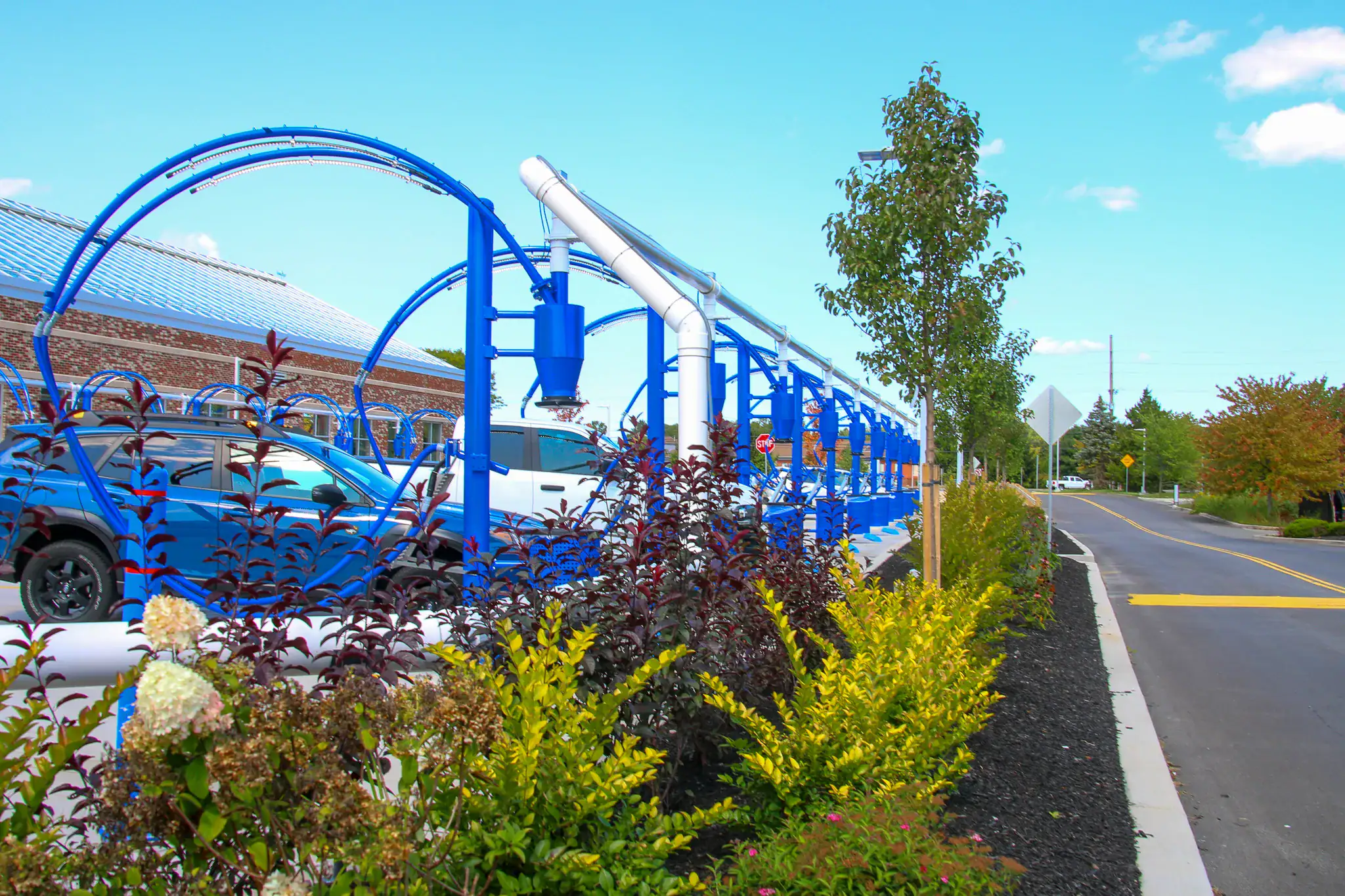
West Henrietta Road Delta Sonic Car Wash

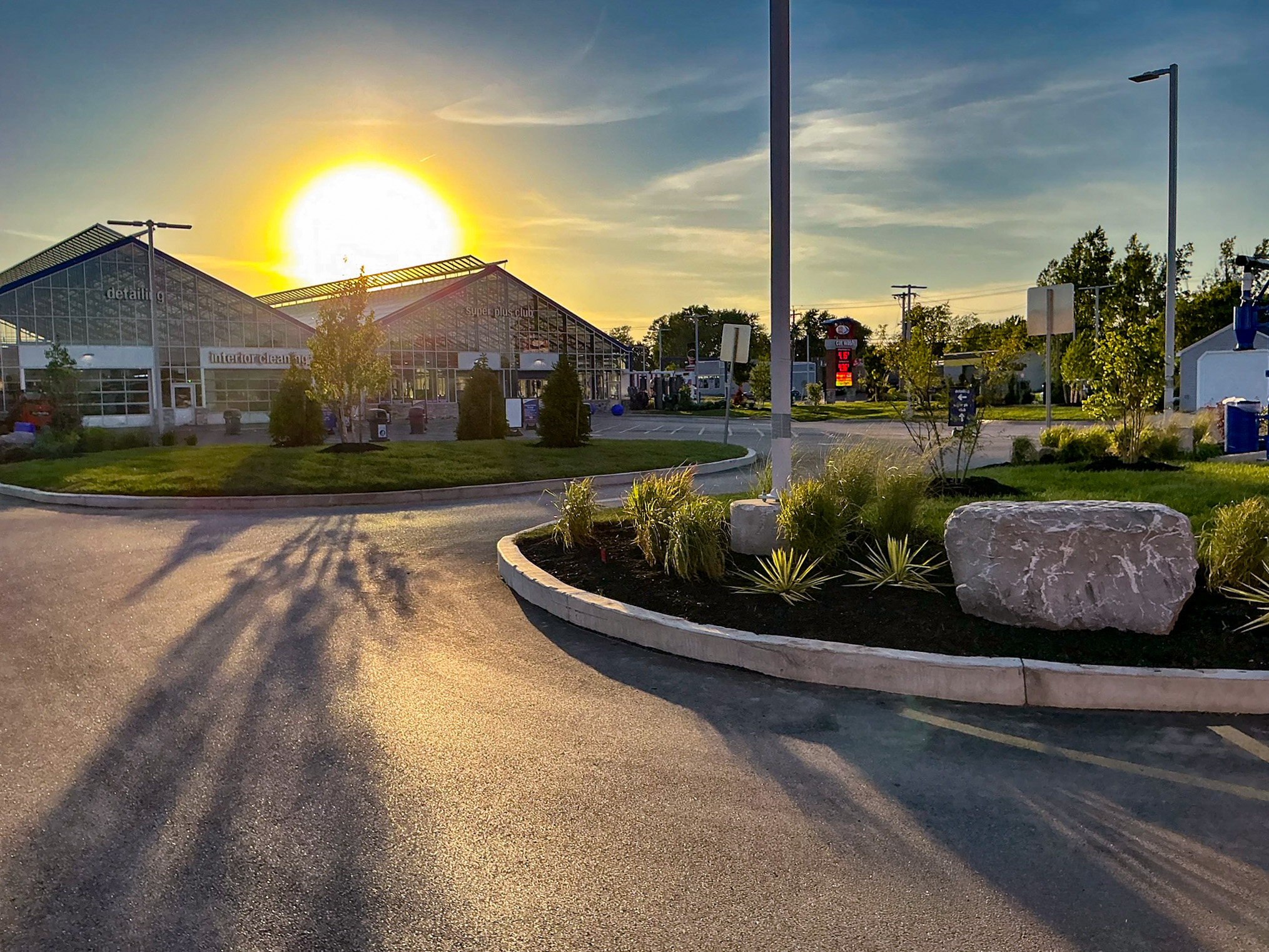
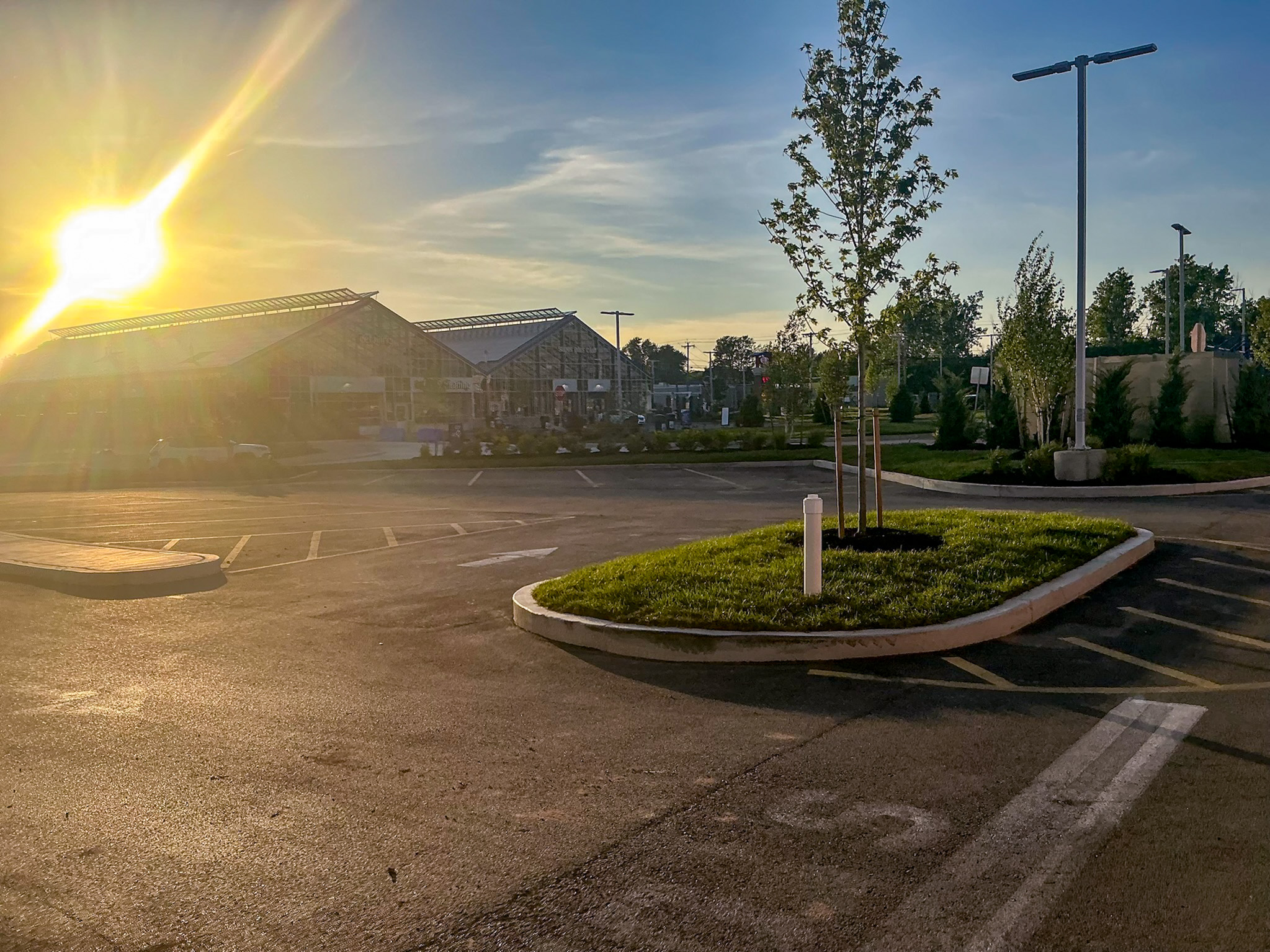
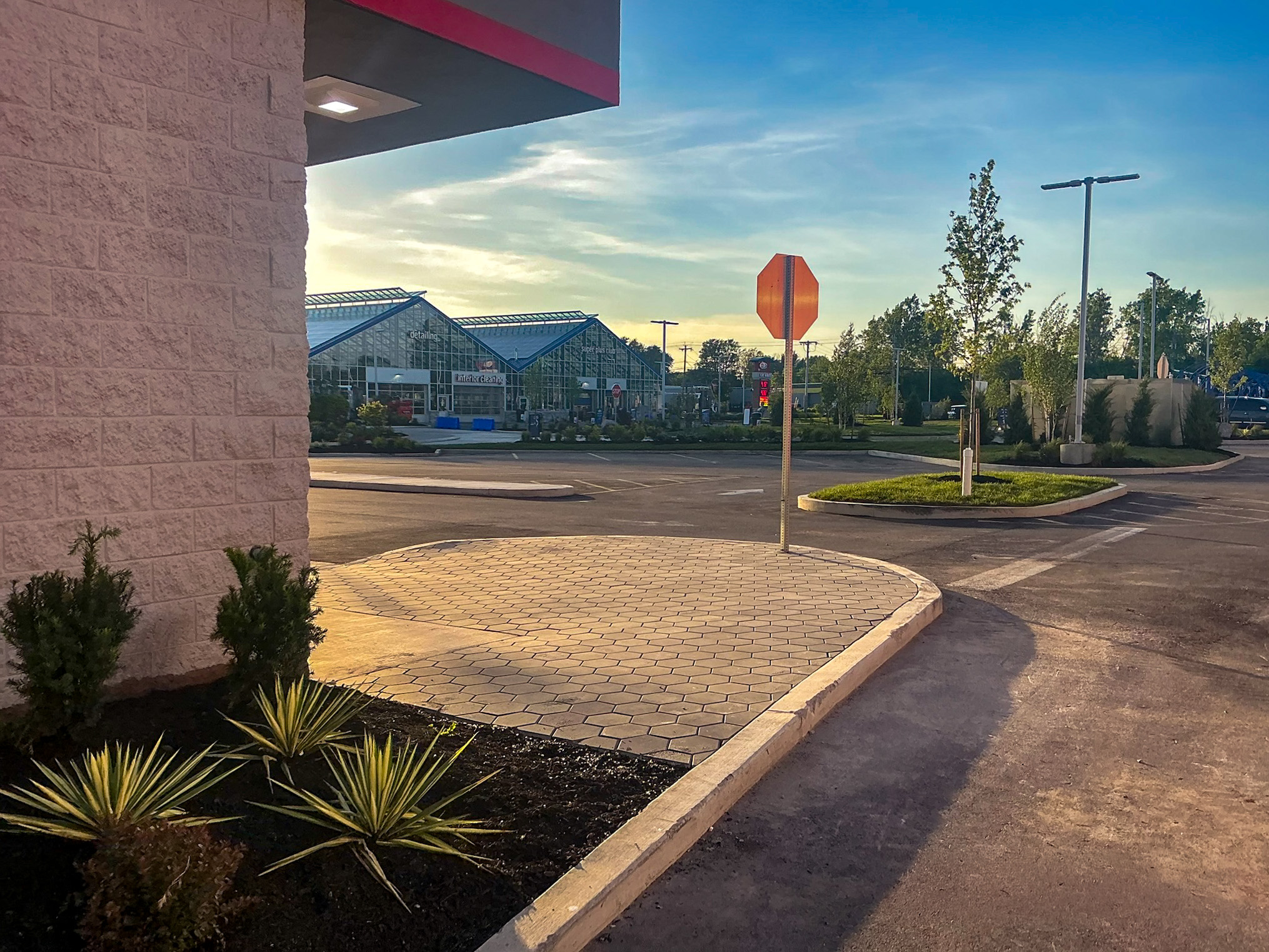
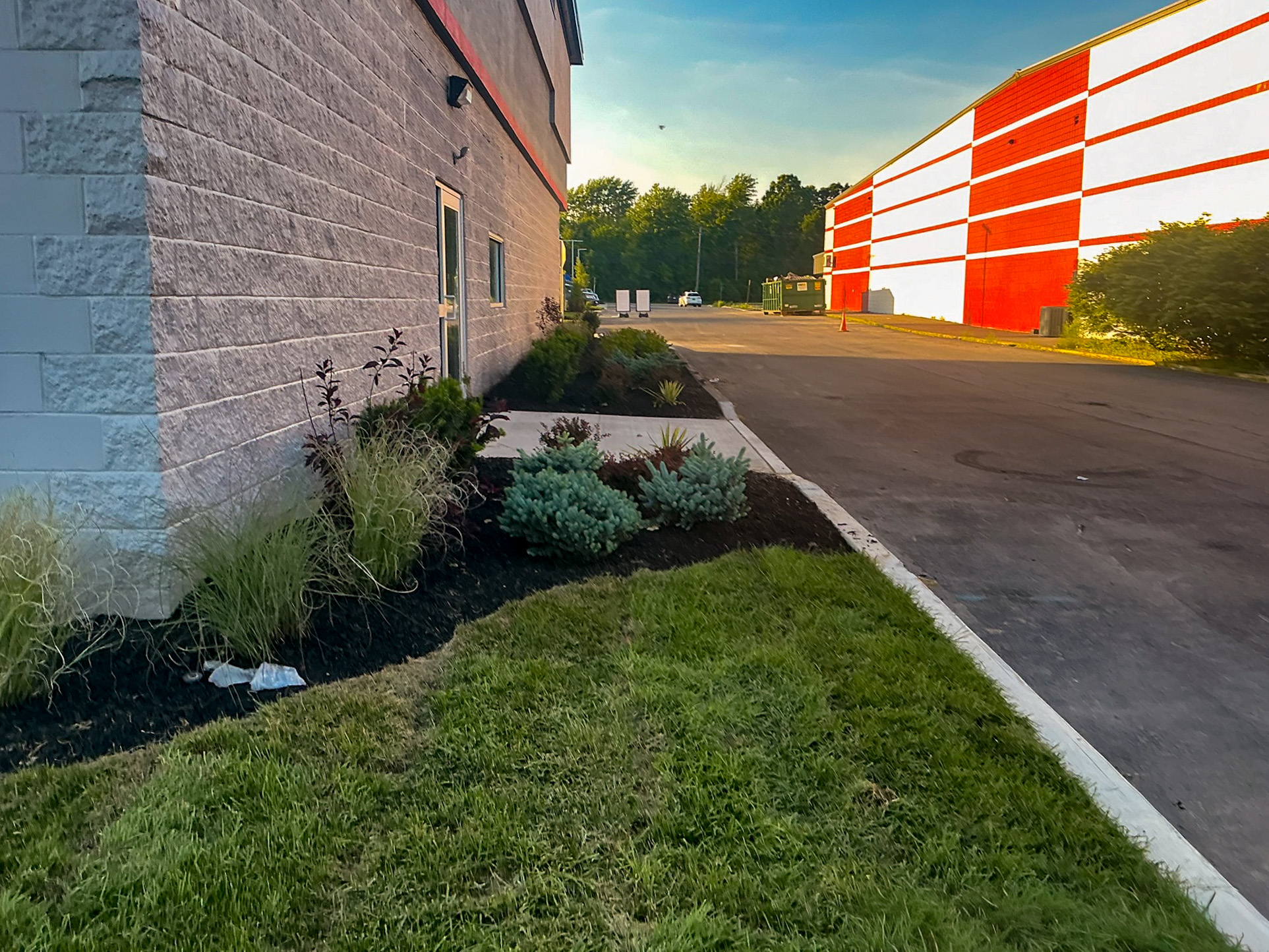
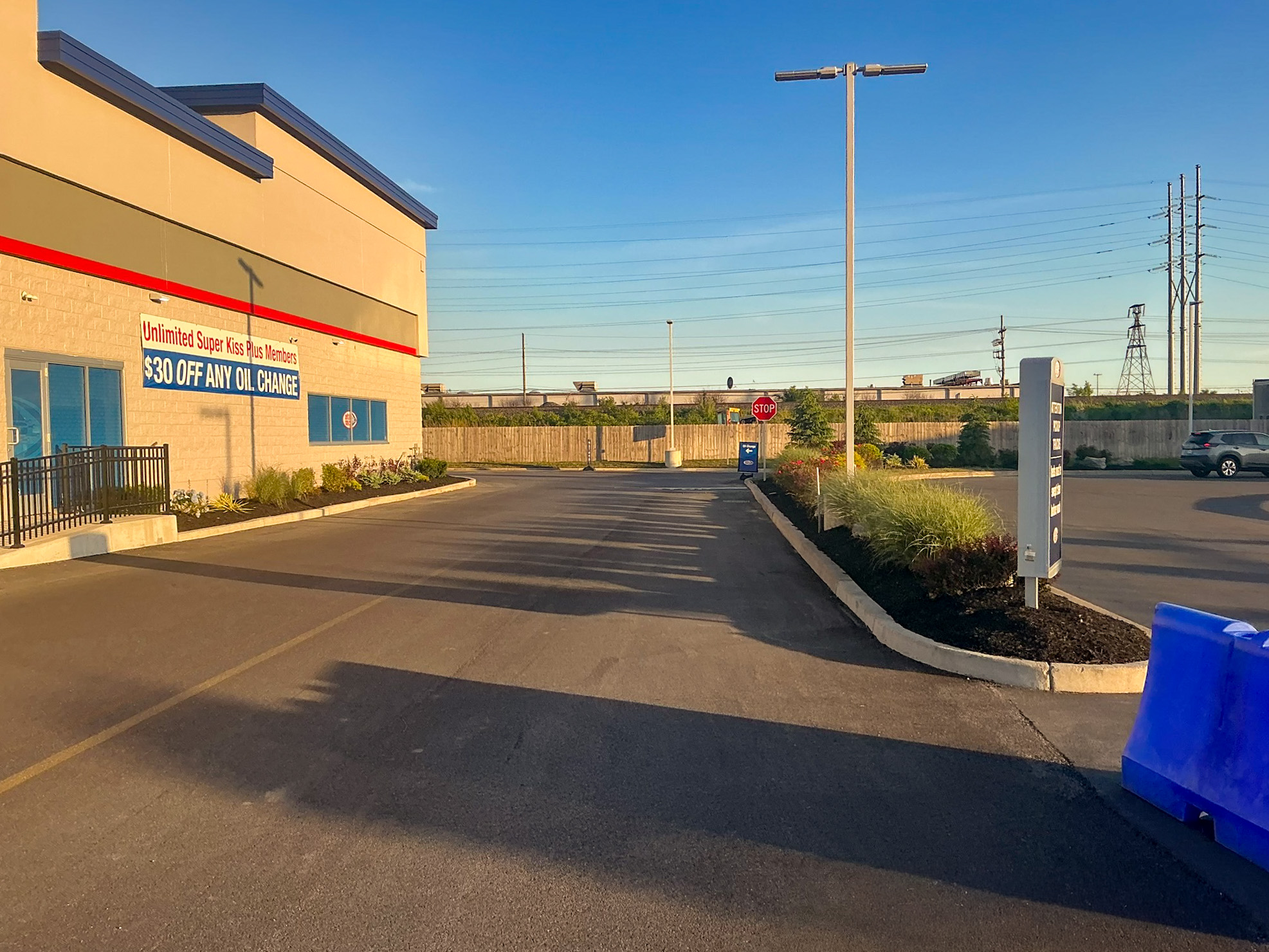
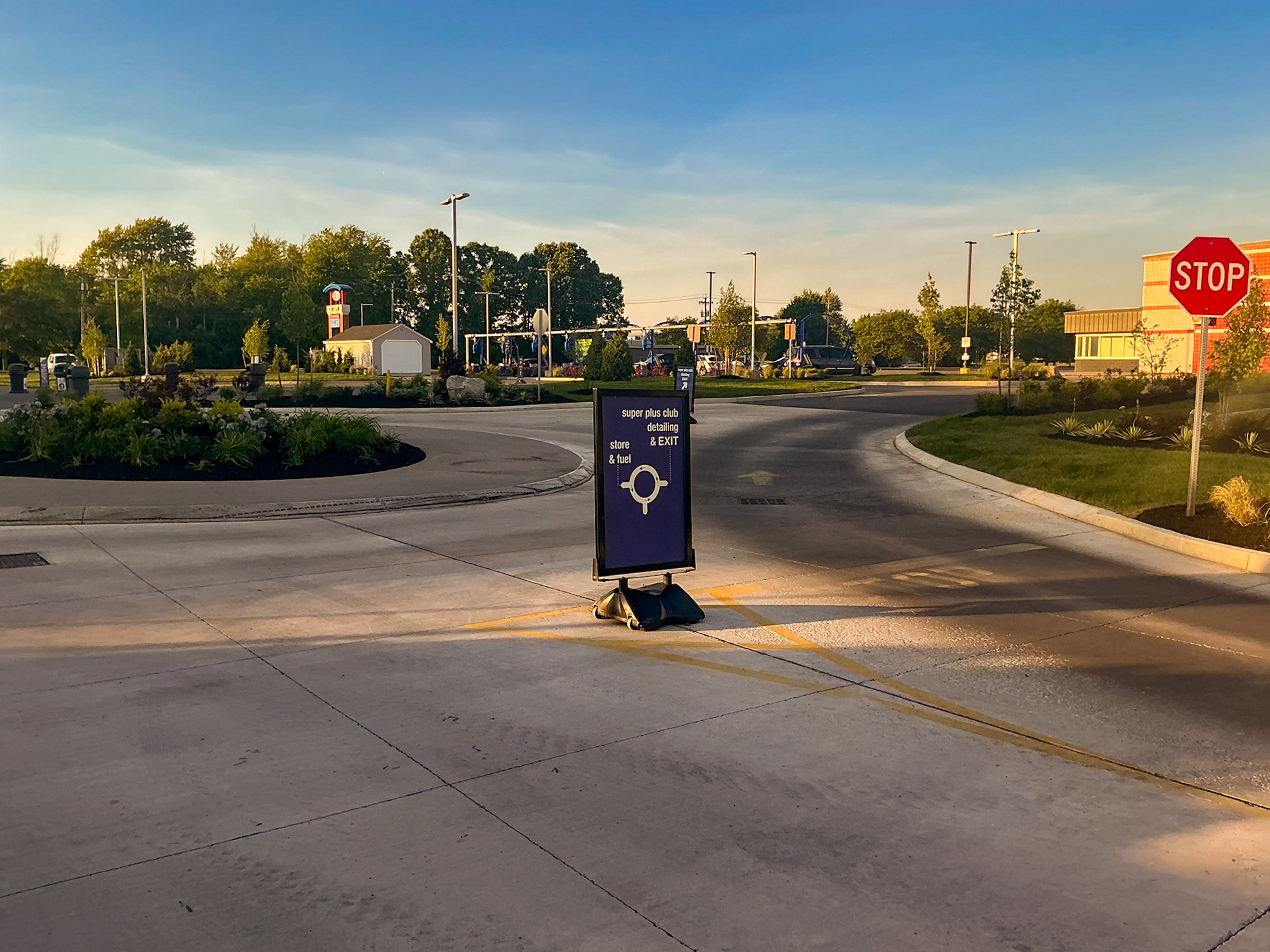
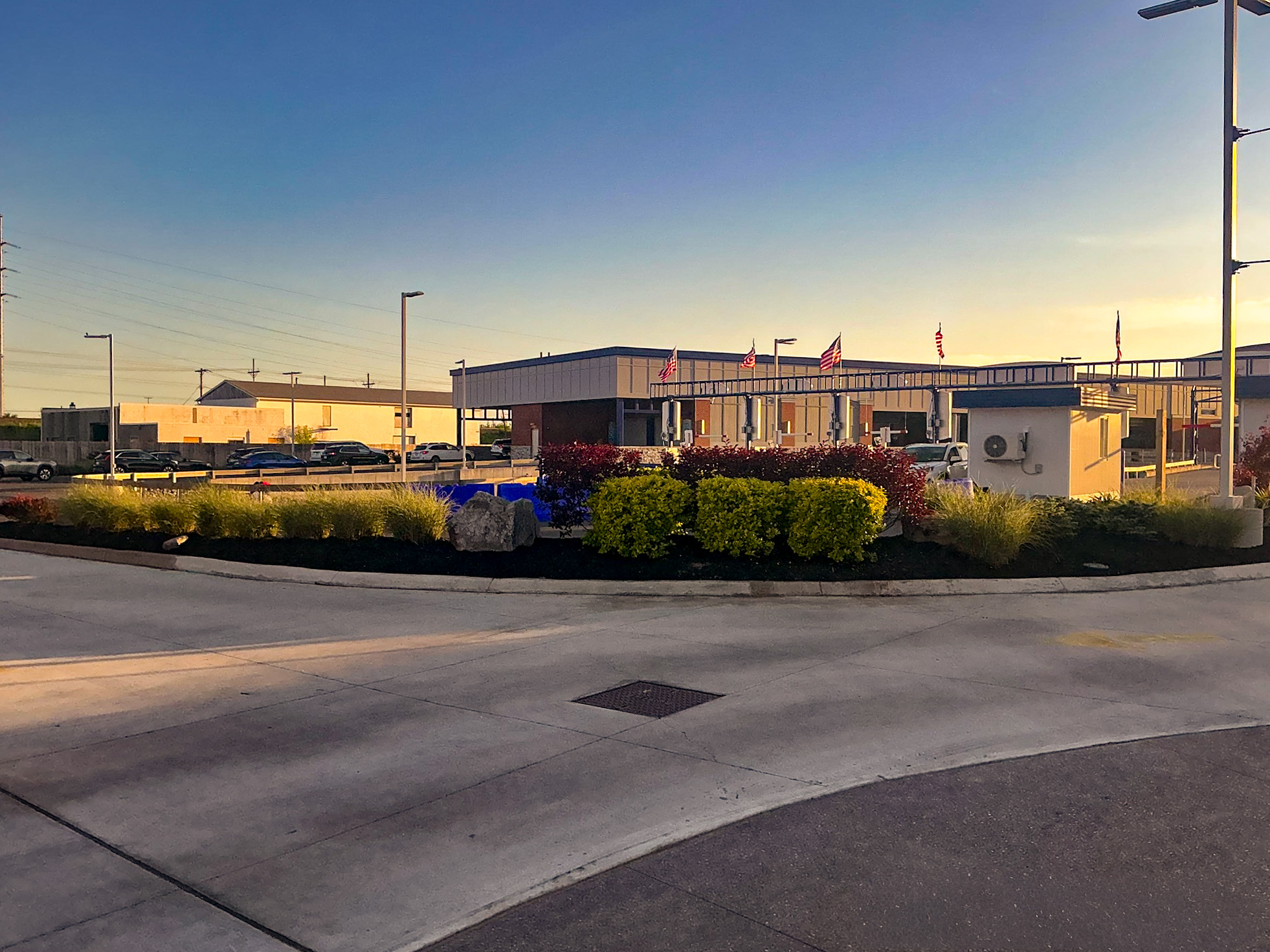
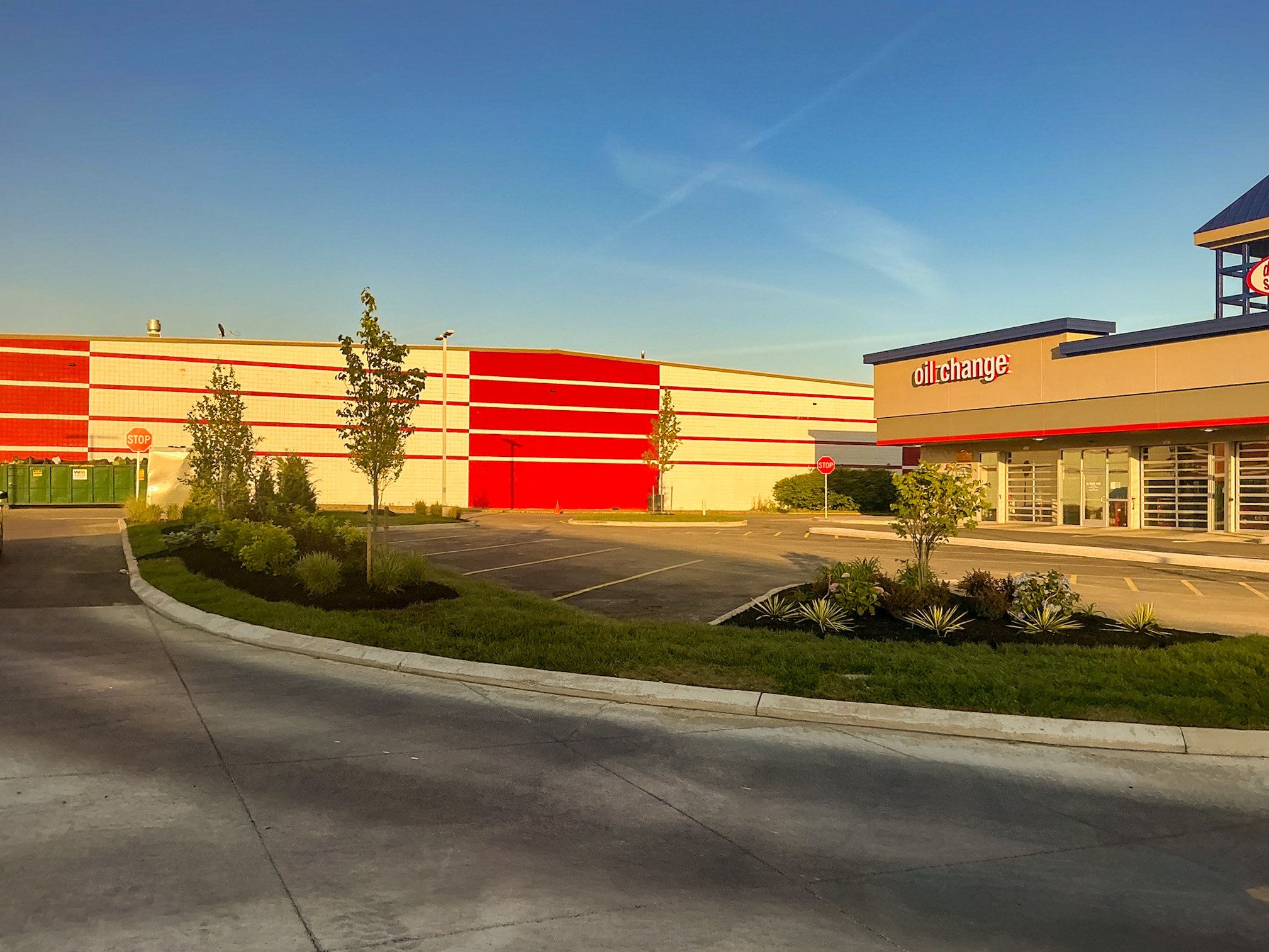
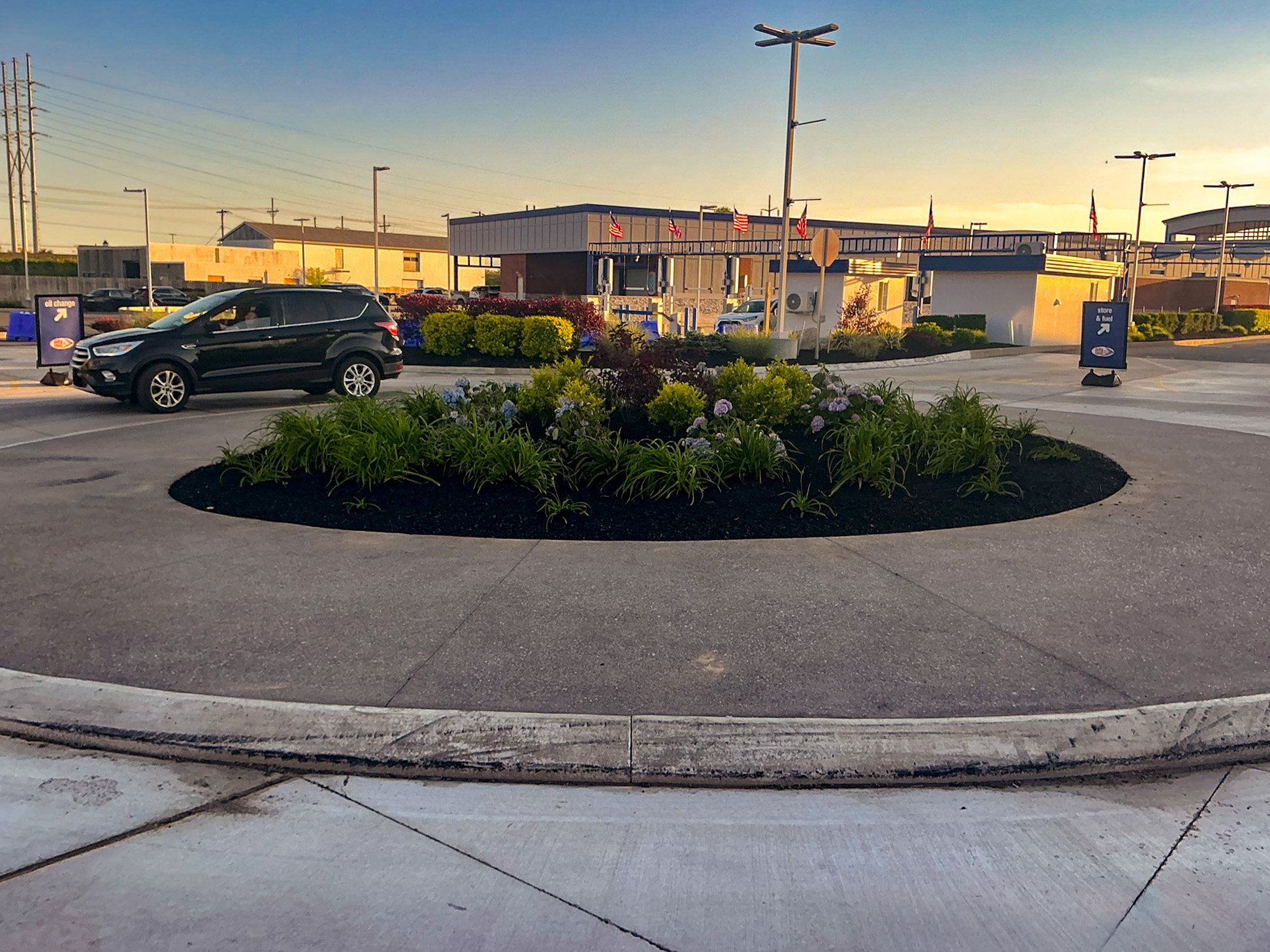
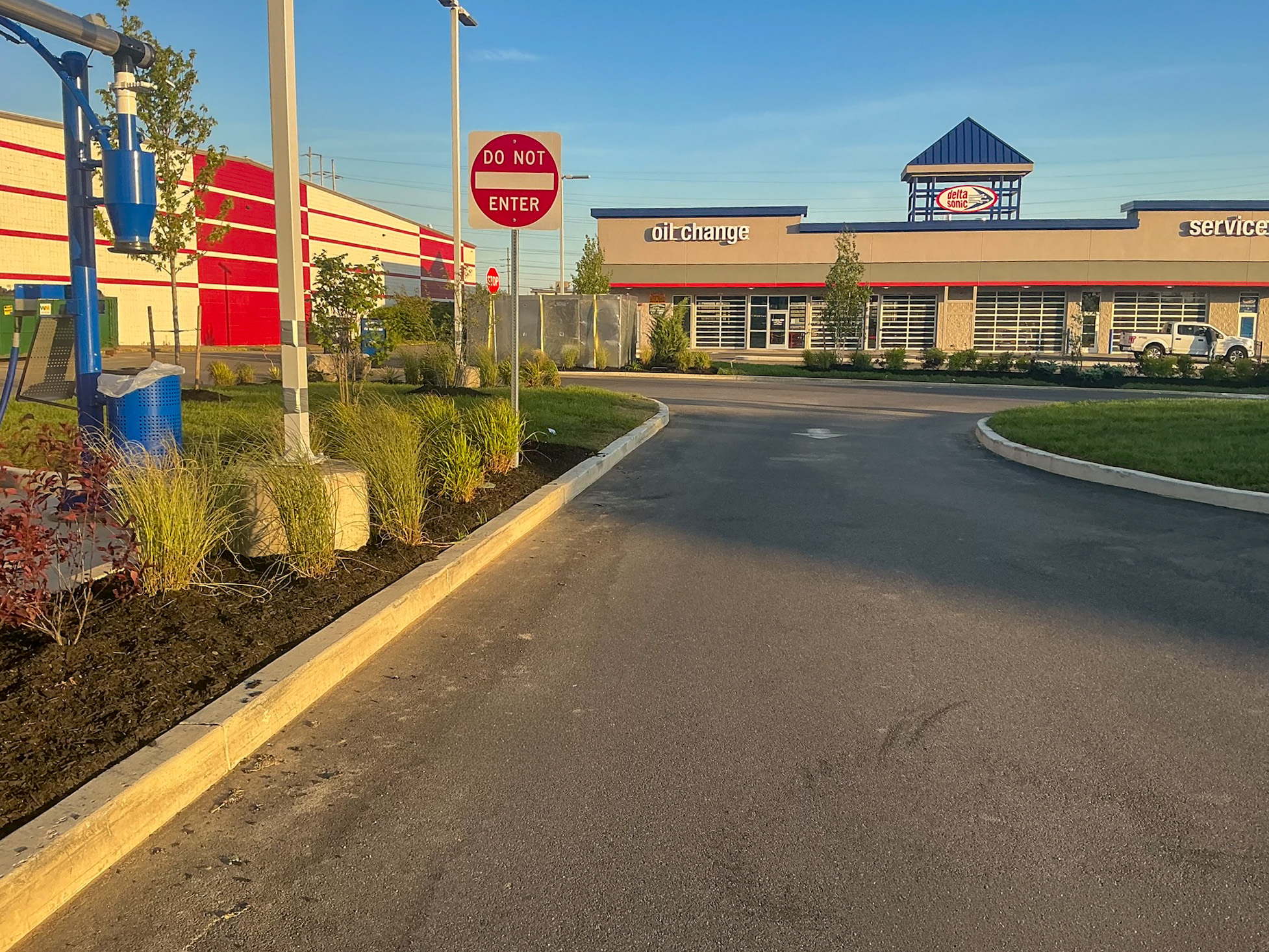
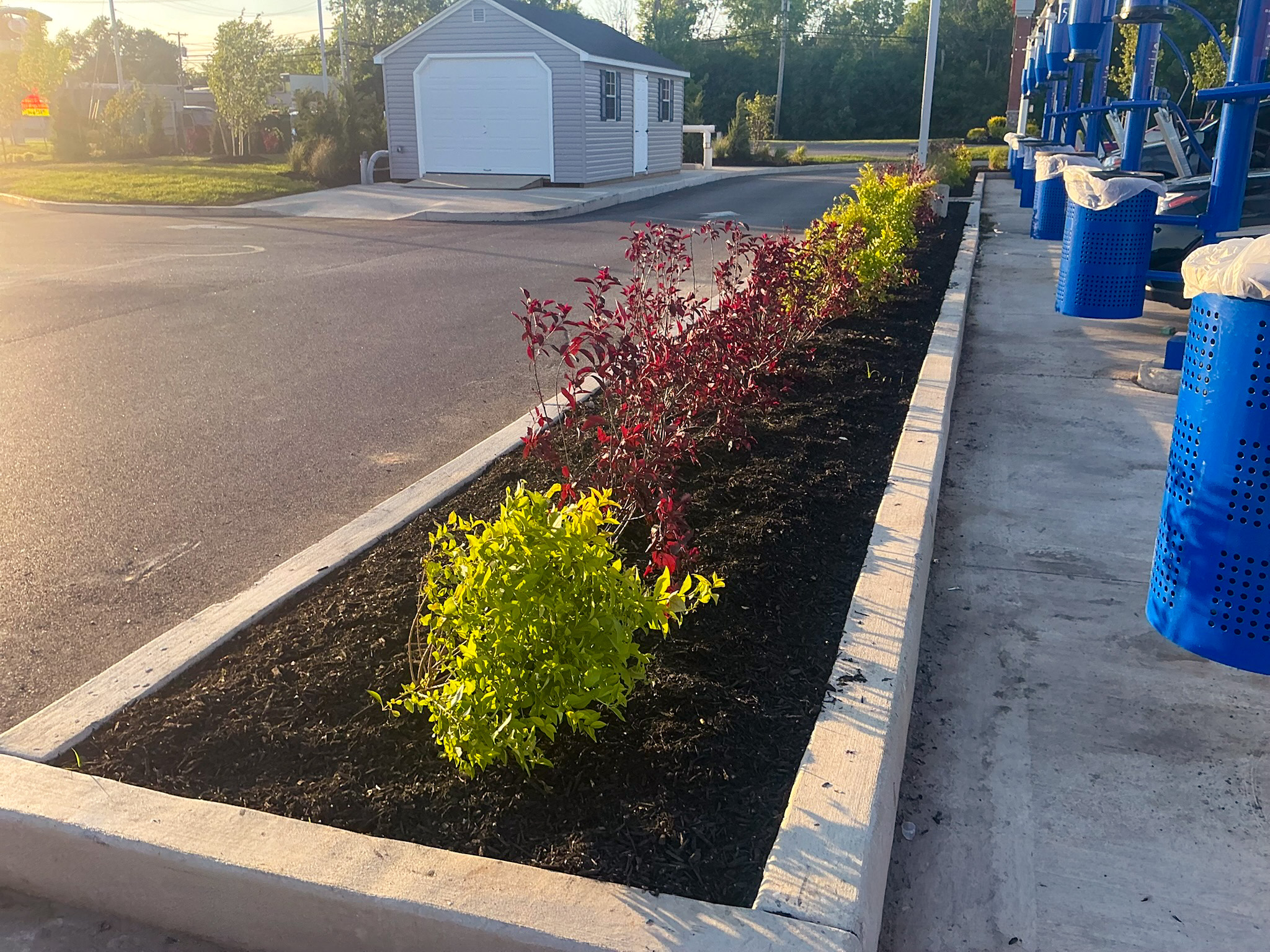
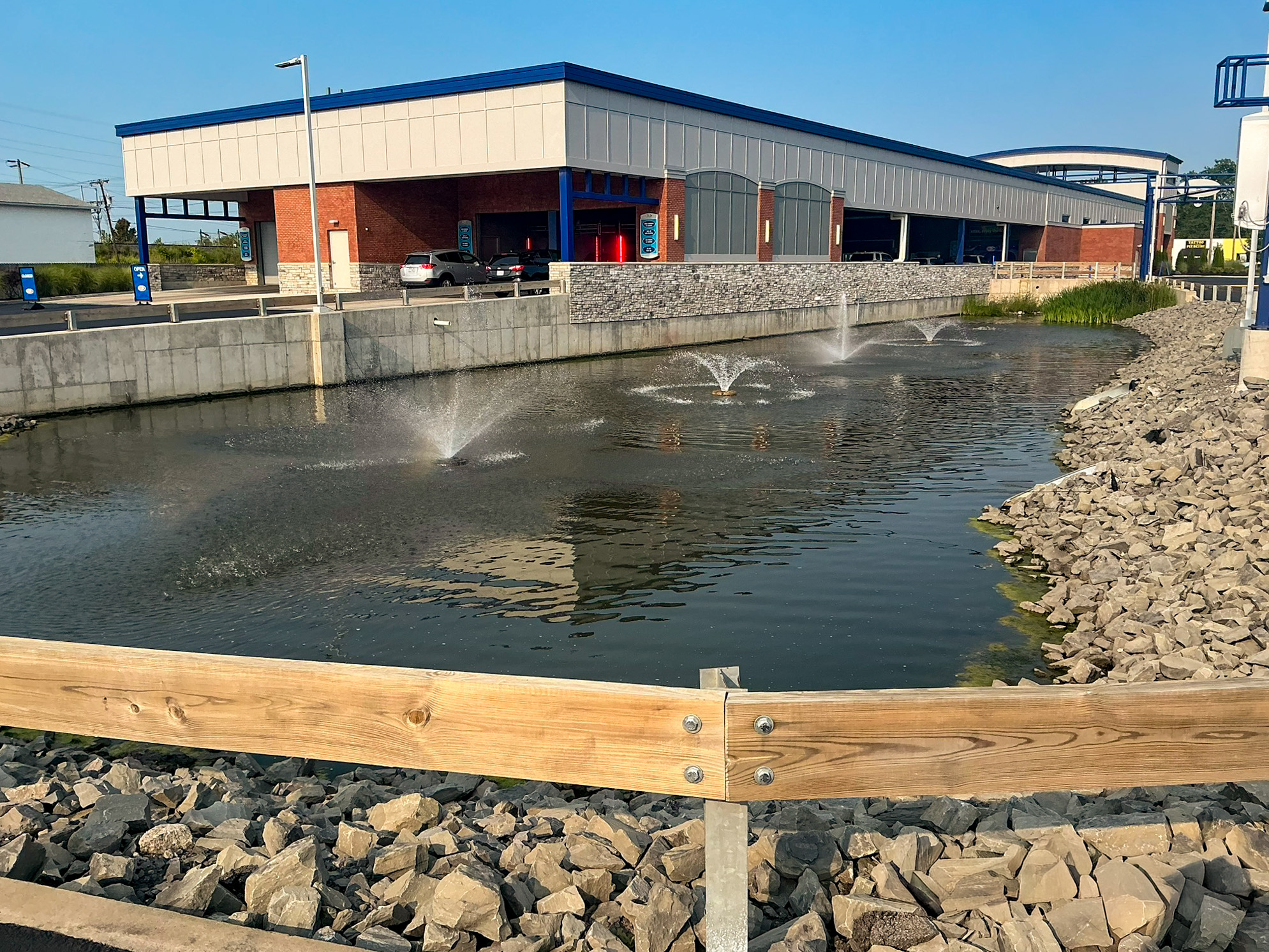
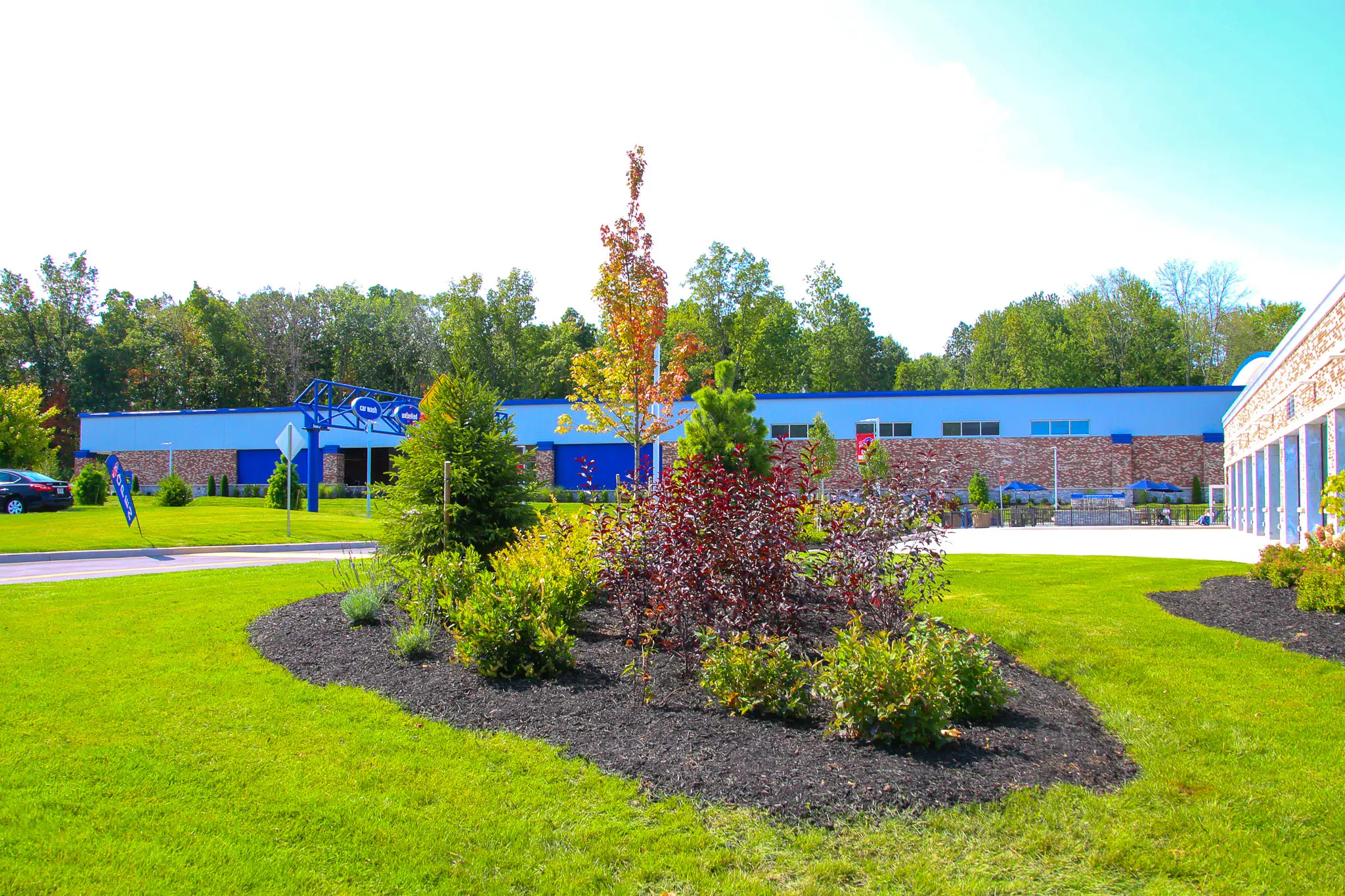
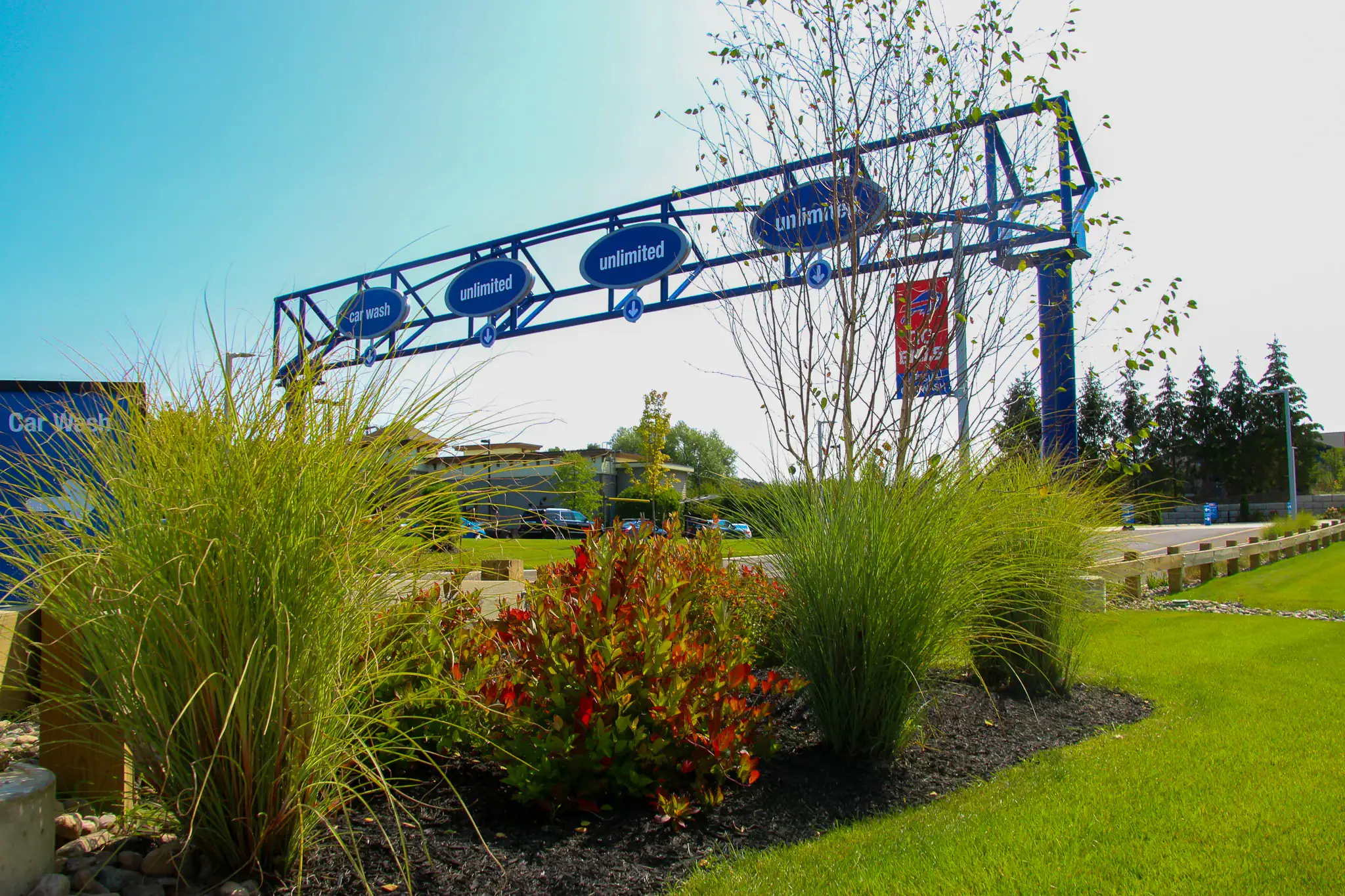
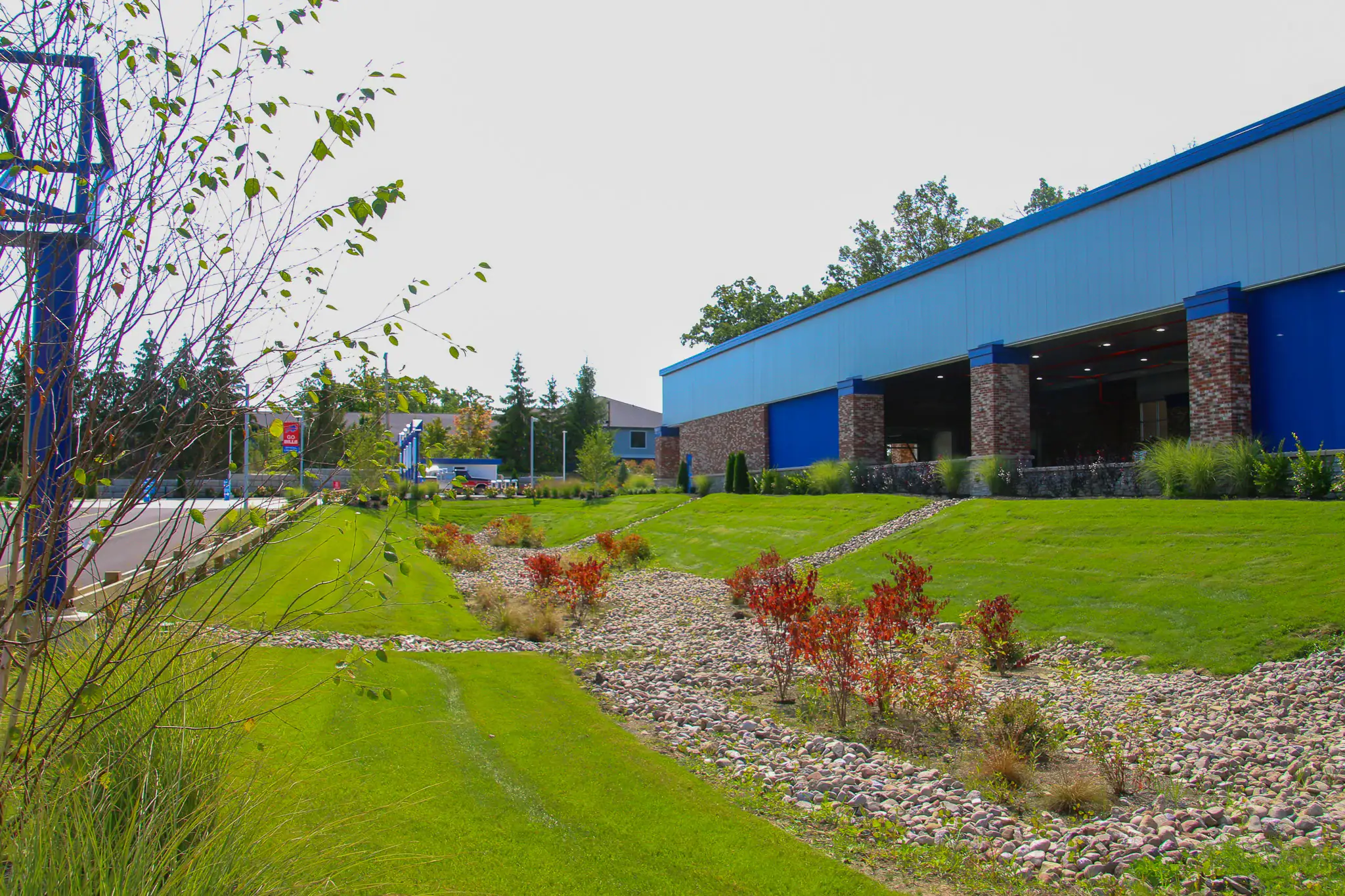
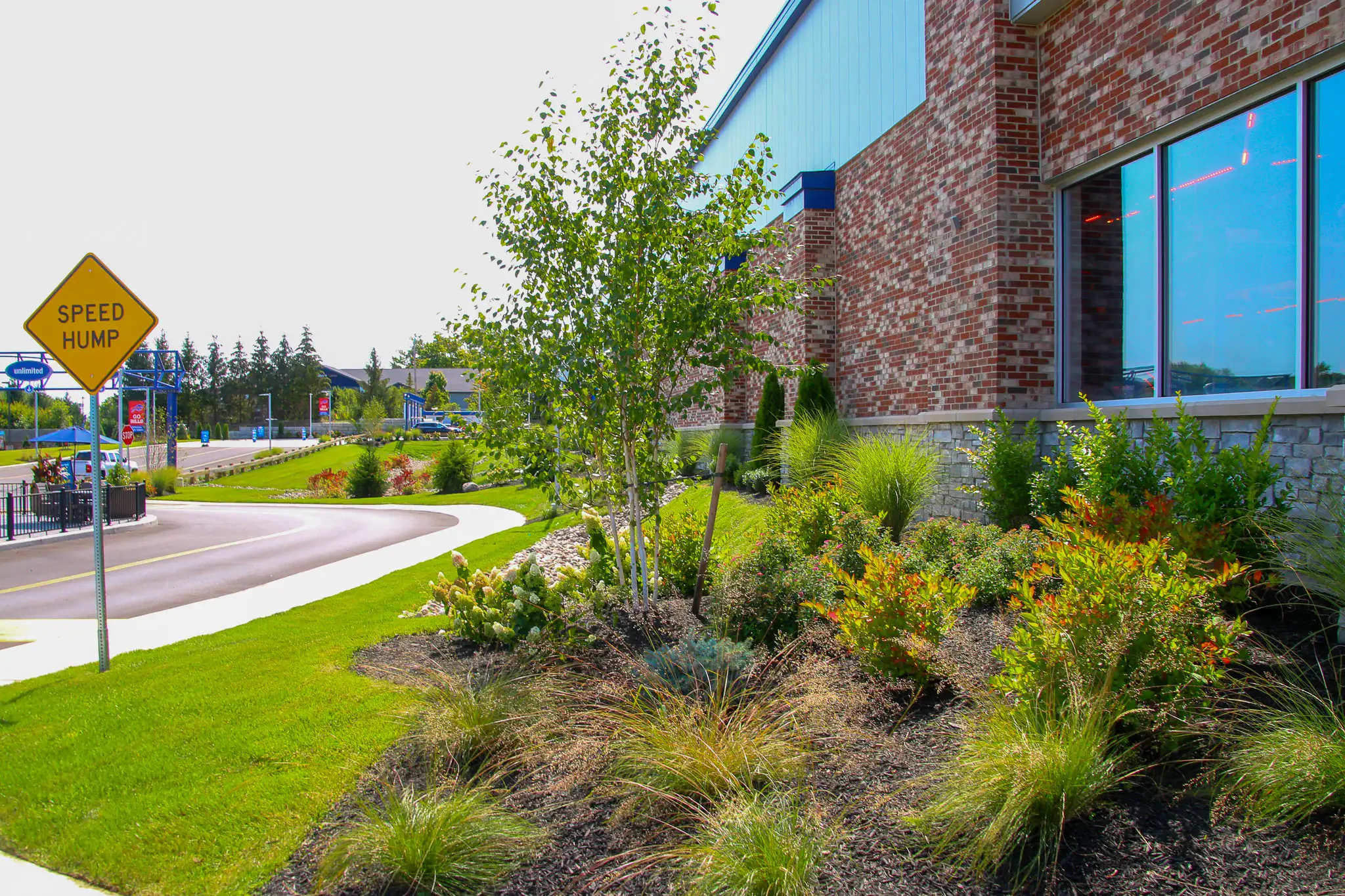
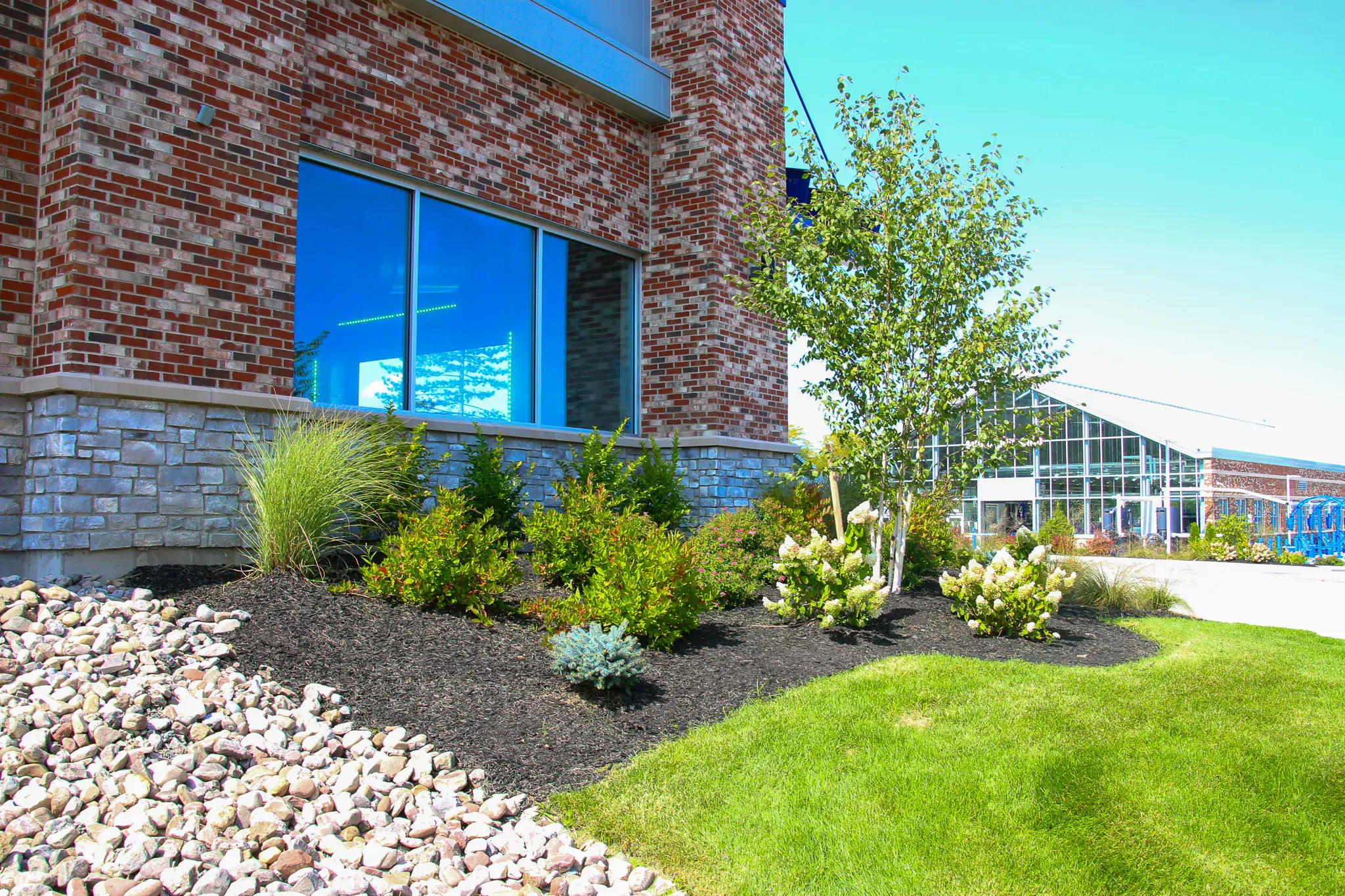
Delta Sonic West Henrietta carwash facility showing redesigned circulation, landscape plantings with ornamental grasses, and improved sight lines at sunset.

West Henrietta Road Delta Sonic Car Wash

2970 West Henrietta Rd, Rochester, NY 14623

Client: Benderson Development
Construction Completion: Summer 2026

Project Services: Land Survey, Landscape Architecture, Civil Engineering, Schematic Design, Design Development, Construction Documentation & Construction Observation


Improving Site Circulation and Regulatory Compliance at a High-Traffic Intersection

Benderson Development faced a persistent operational challenge at the Delta Sonic carwash facility at 2970 West Henrietta Road in Rochester, New York. The site suffered from entry conflicts, constrained parking flow, and sight line obstructions that created friction during operations and contributed to congestion at the busy West Henrietta and Mount Hope intersection. The problem wasn’t just about moving cars through the property more efficiently. It was about reducing pressure on a major neighborhood intersection and improving the facility’s ability to serve customers without creating bottlenecks.

Integrated Design Across Disciplines

Costich’s approach required civil engineering, surveying, and landscape architecture to work as a single team, not separate disciplines. The civil engineers redesigned the site circulation, reconfigured drive lanes, and adjusted grading to eliminate entry conflicts and improve sight lines at critical decision points. The surveyors provided precise stakeouts and as-built documentation throughout construction to ensure the design intent was executed in the field. The landscape team positioned plantings strategically to enhance visibility without sacrificing site character.

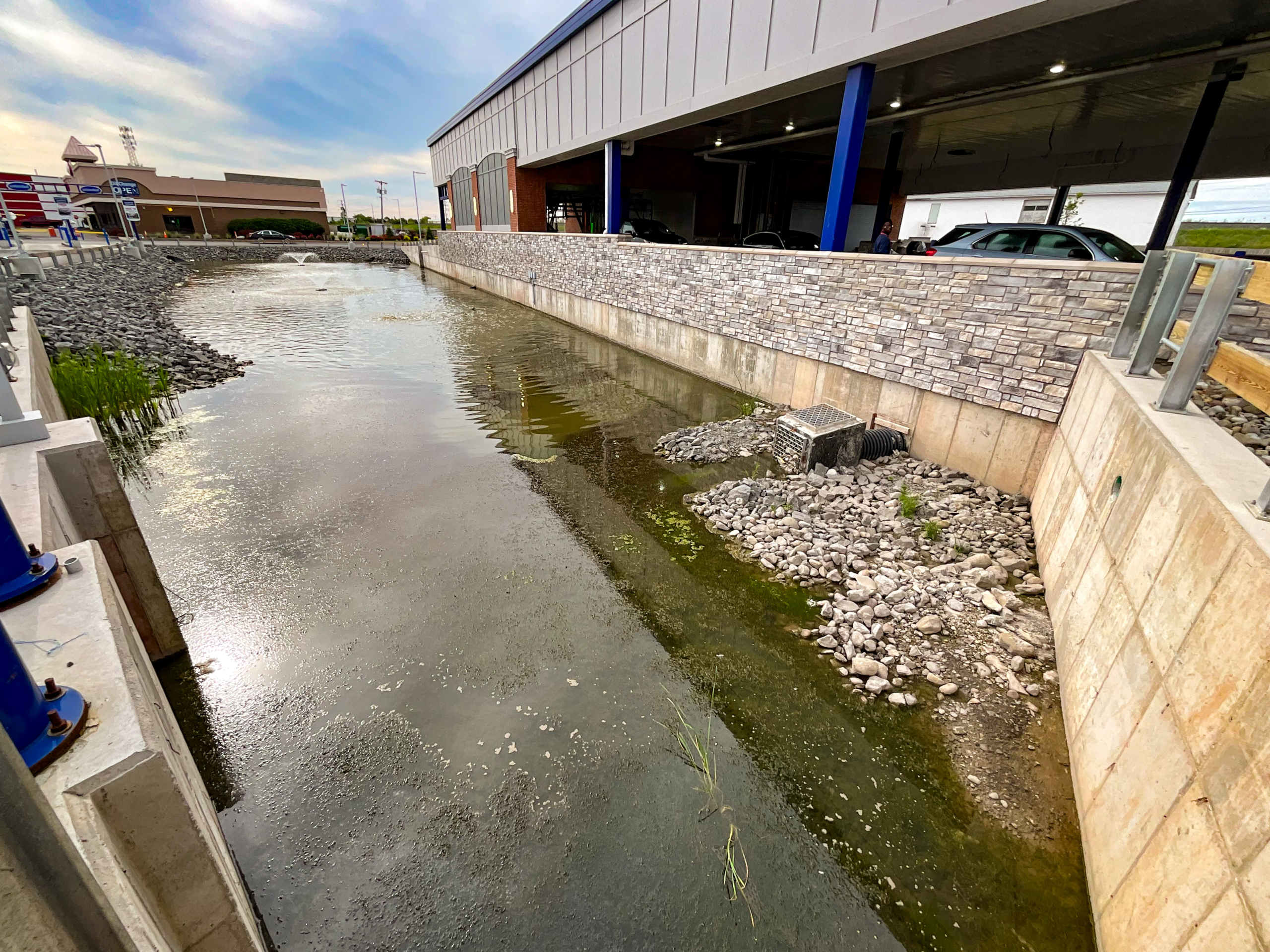
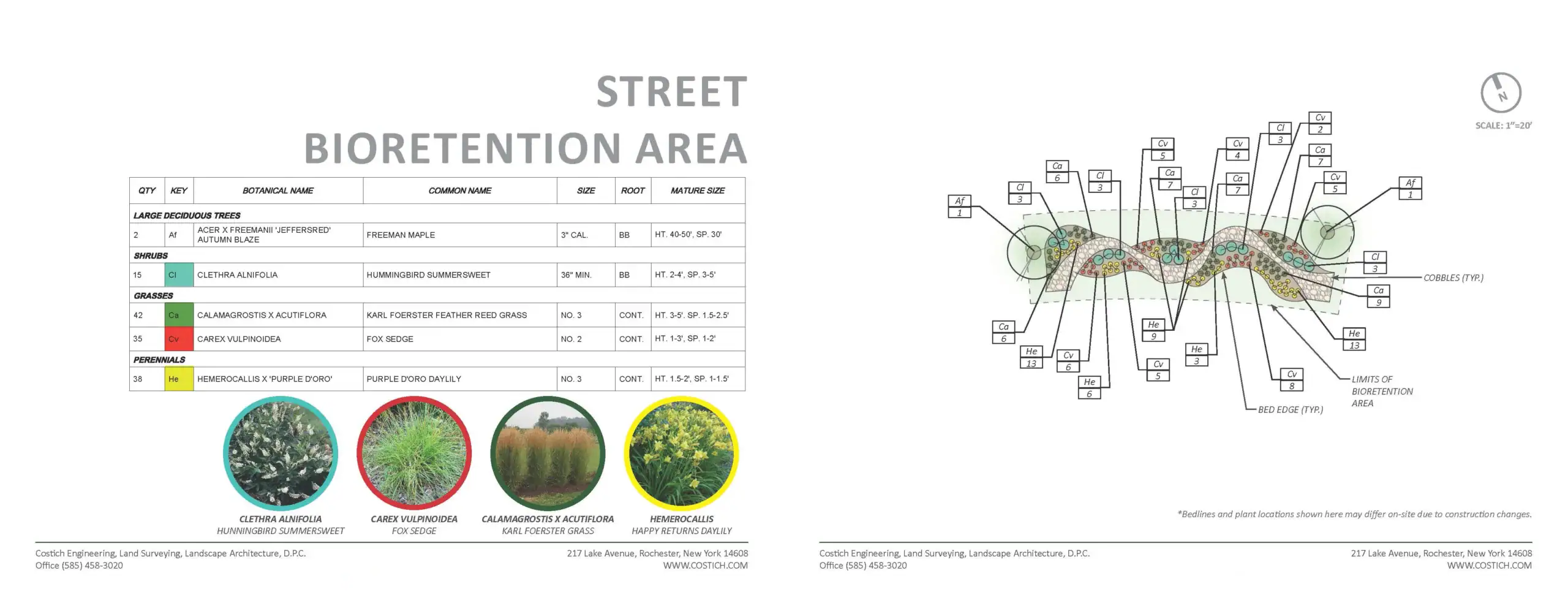
Parallel to circulation redesign, Costich integrated stormwater management directly into the site geometry. Rather than adding detention ponds or surface features as afterthoughts, the team designed underground detention systems, rainwater collection infrastructure, and bio-retention areas that worked within the new circulation pattern. This integration meant the site could improve operationally while meeting NYSDEC compliance requirements without requiring additional land or creating visual clutter.

Regulatory Coordination

A project of this scope required Costich to navigate submissions and approvals across multiple agencies with overlapping jurisdictions: the Monroe County Water Authority for backflow prevention and water main certification, the Monroe County Department of Health for sanitary and potable water systems, the New York State Department of Transportation for road entrance permits and ongoing inspections, and the Town of Henrietta for site plan modifications under the Mixed-Use Redevelopment Area Overlay District.

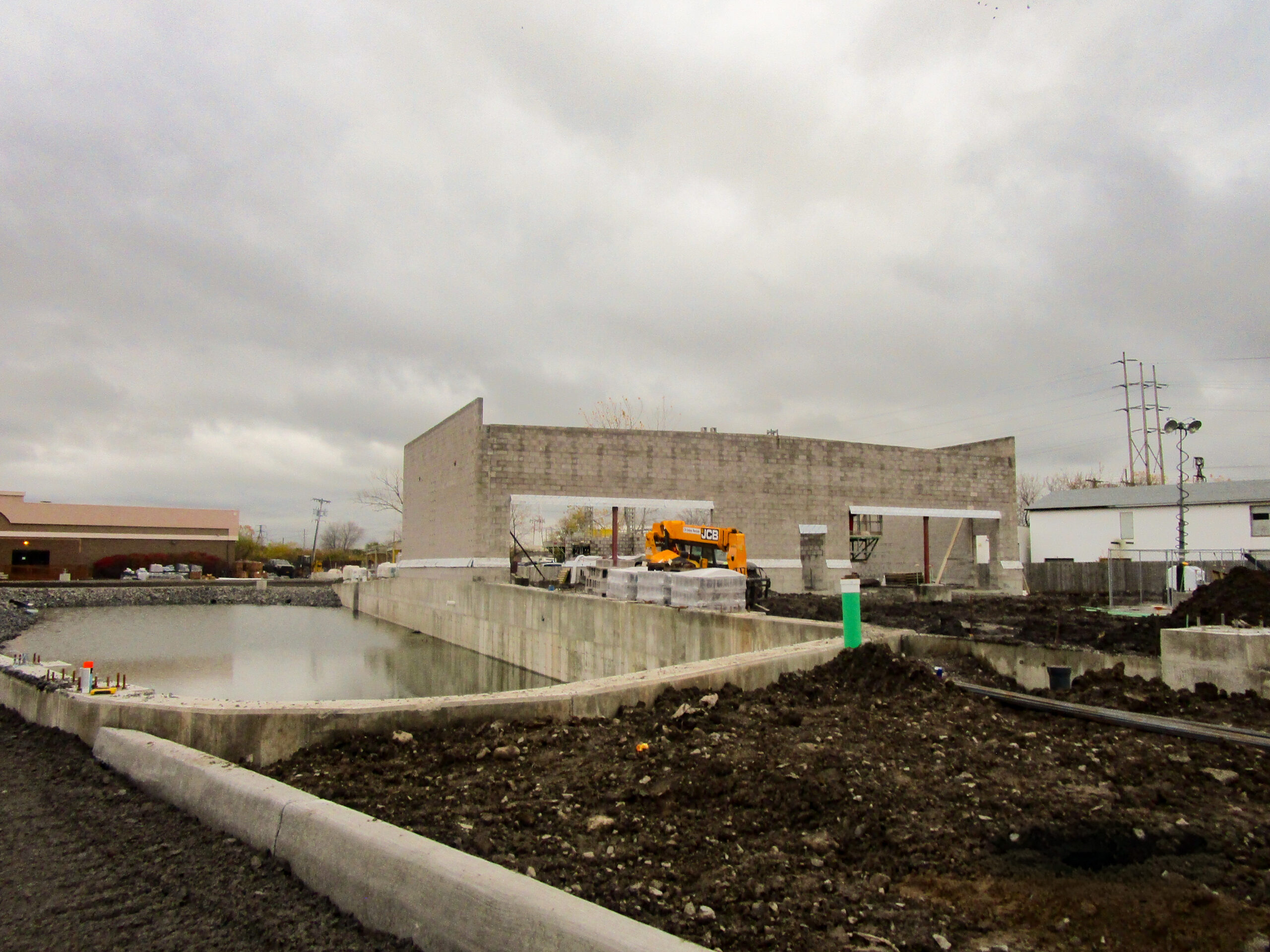
Costich maintained continuous SWPPP compliance throughout construction, conducting regular inspections and producing detailed reports to ensure that site work itself did not create environmental risk. Managing these parallel approval processes required coordination, documentation, and the ability to respond quickly to agency comments without derailing the overall timeline.

Outcomes

Site plan approval was granted in October 2024. Construction proceeded through late 2024 and into 2026, with the facility operational as of June 2026. The improvements have proven significant. Traffic flow within the property is measurably better, reducing the time vehicles spend navigating entry, parking, and exit sequences. More importantly, the improved site circulation has reduced congestion at the West Henrietta and Mount Hope intersection itself. The surrounding commercial area benefits from a facility that no longer creates bottlenecks during peak periods.

This project demonstrates Costich’s ongoing partnership with Benderson Development and Delta Sonic. It also illustrates how coordinated site engineering solves multiple problems simultaneously: operational efficiency, regulatory compliance, and neighborhood impact.

Gallery

Additional Information

Learn more about this project by going to the Town of Henrietta website: 
Delta Sonic Carwash Modification | Henrietta NY


Learn more about this project by going to Delta Sonic’s website: 
Car Wash, Oil Change & Auto Detailing in Henrietta, NY | Delta Sonic


What Weather Extremes Teach Us About Landscape Design

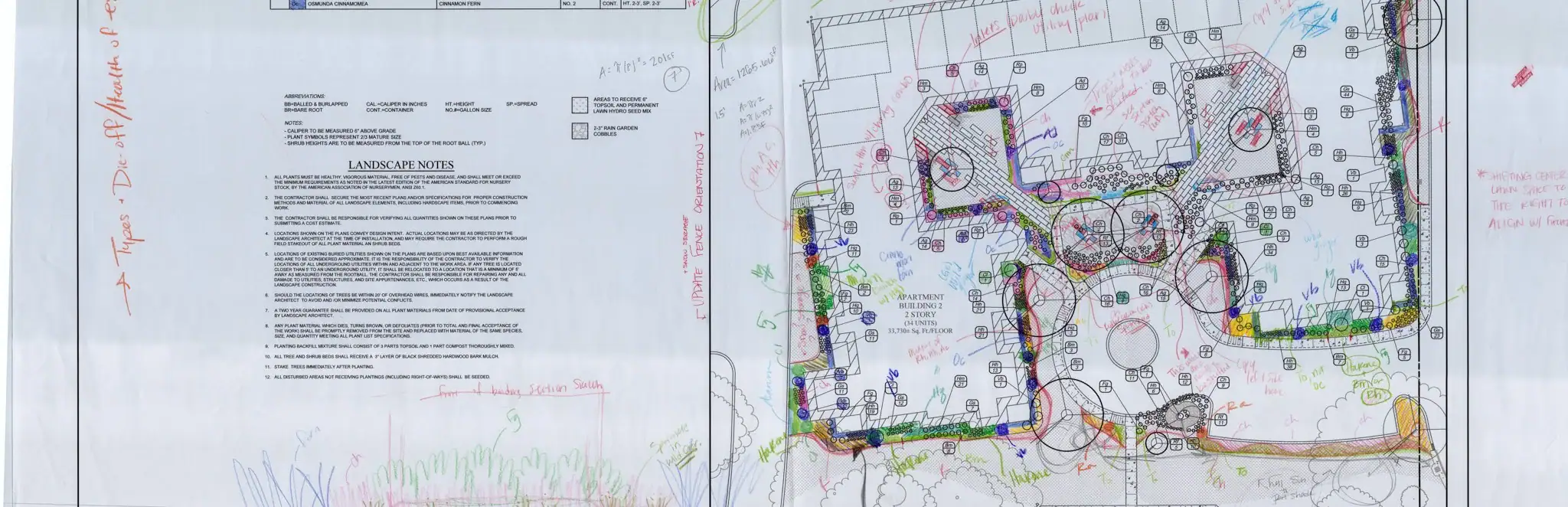
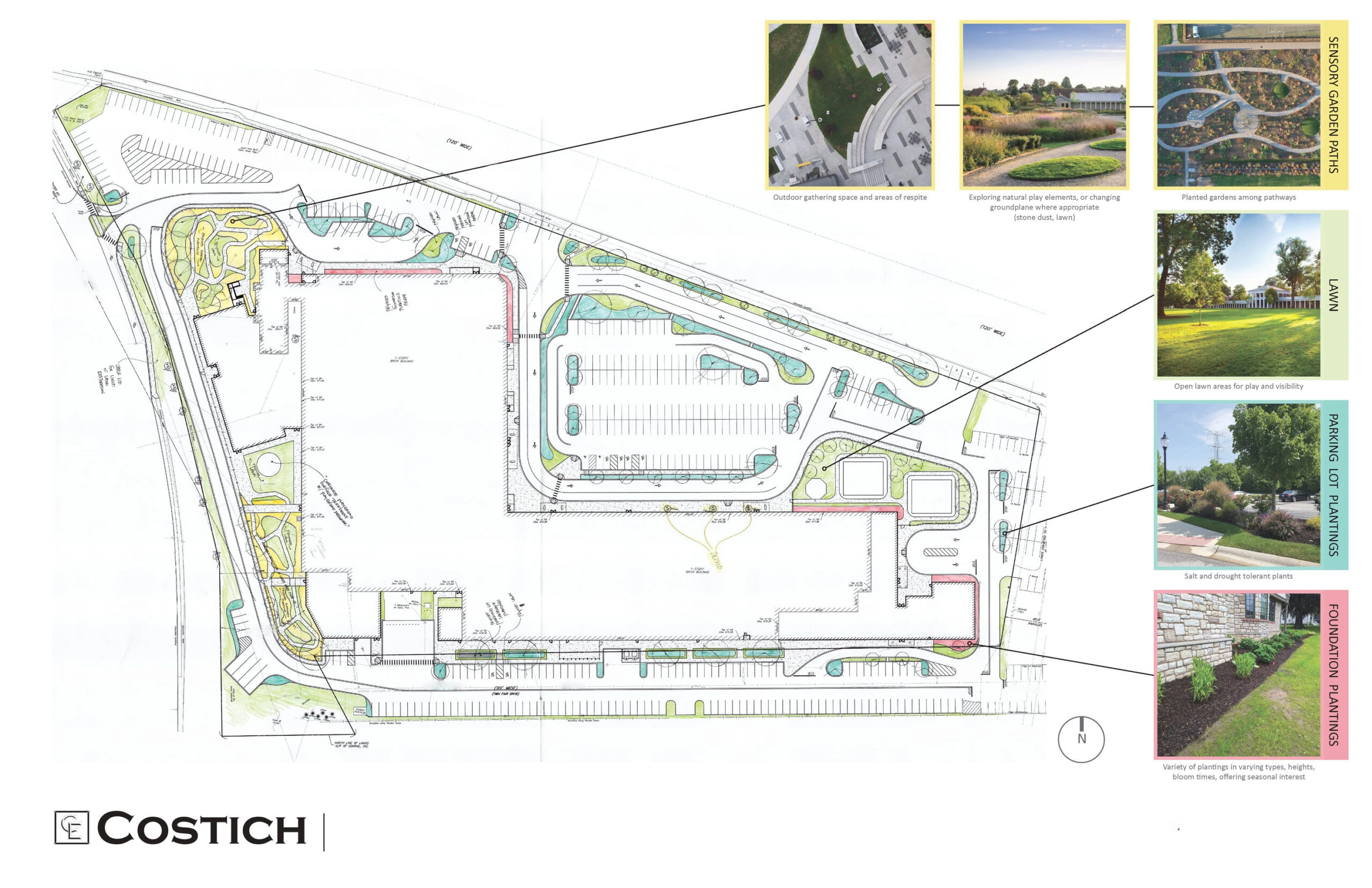
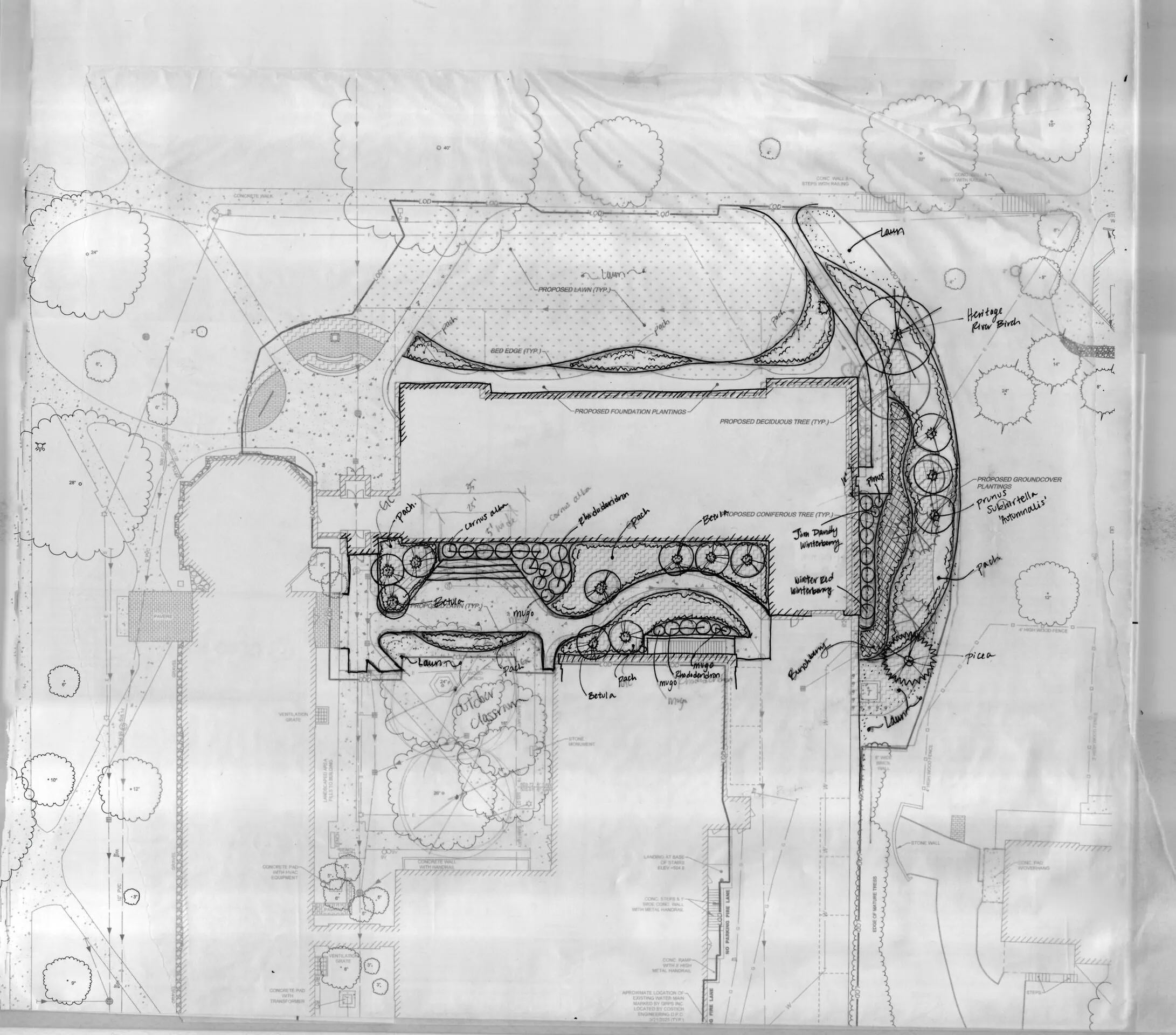
Annotated landscape and site design plan with handwritten markups showing layout adjustments, plantings, and construction notes by Costich Engineering.
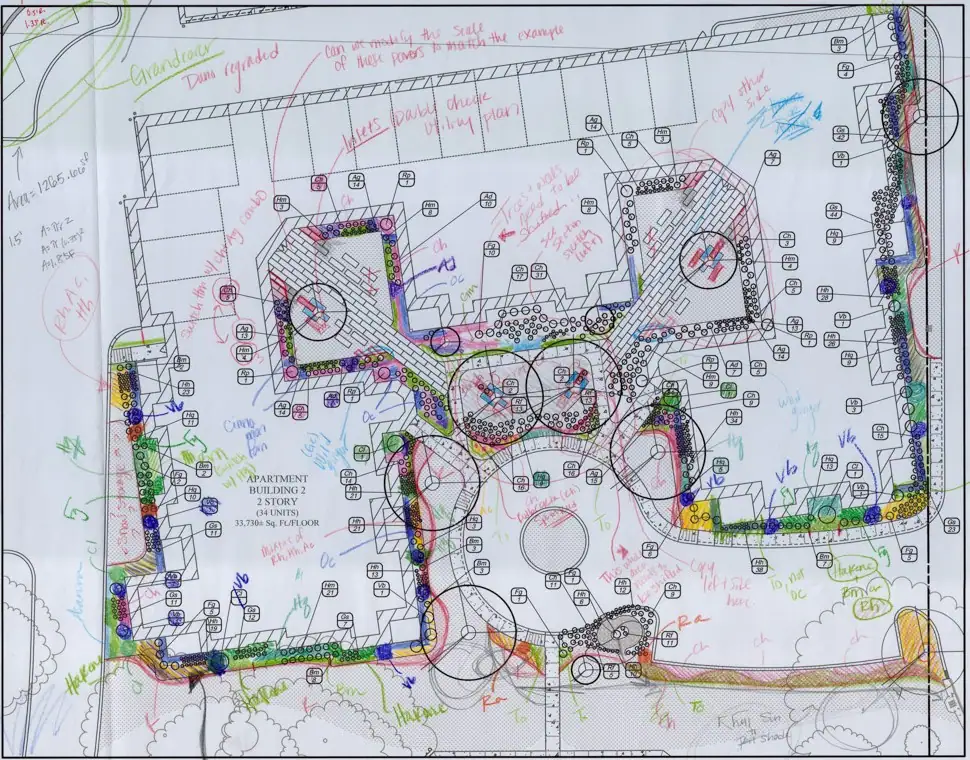
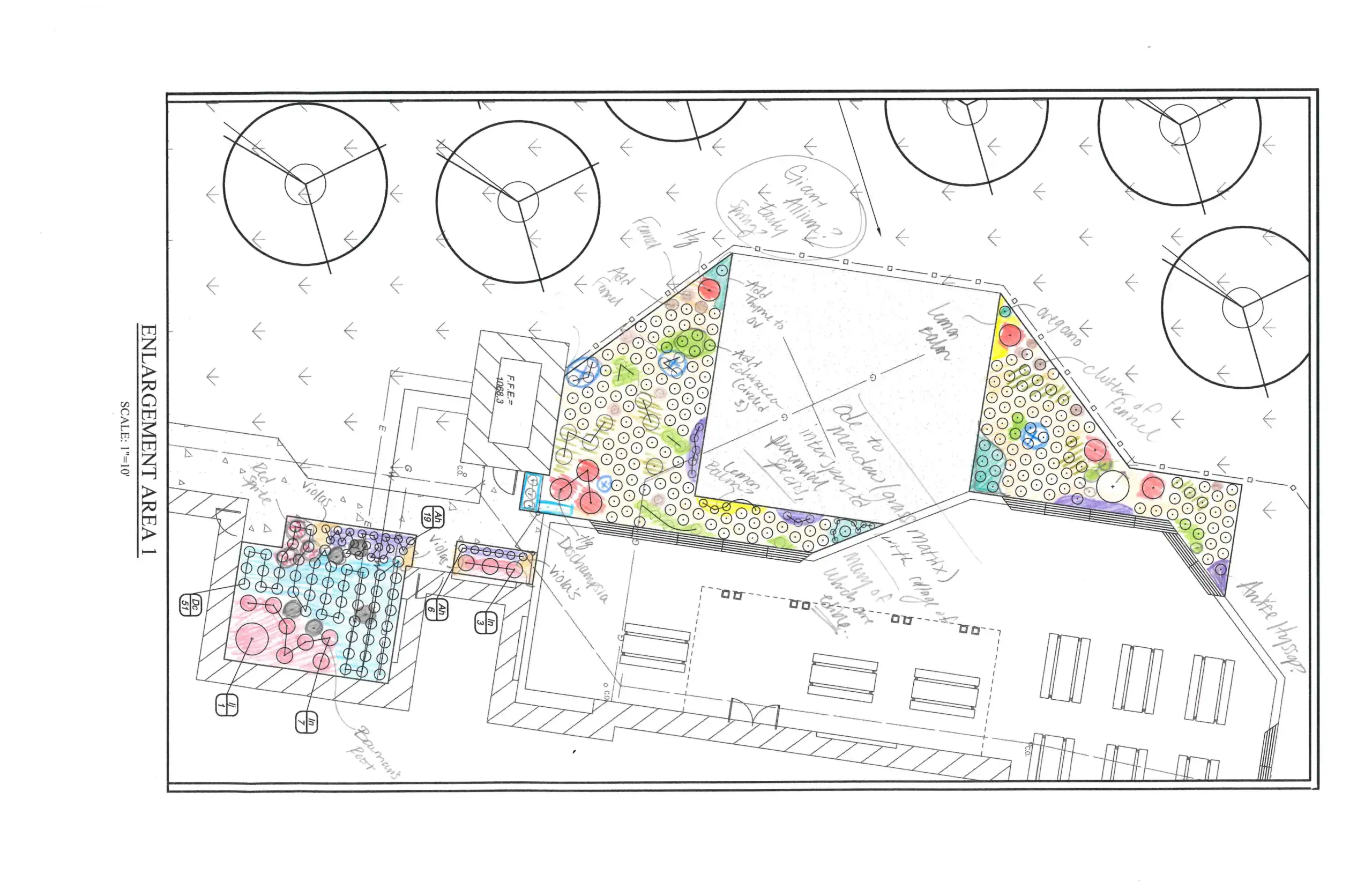
Annotated landscape plan showing detailed plant schedule, line legend, and design markups for a multi-building residential site, including hand-written field notes and landscape layout revisions.

What Weather Extremes Teach Us About Landscape Design

By, Emma Oakes, RLA, Project Manager and Landscape Architect

This summer’s dramatic weather swings, from record rainfall in June to drought-like conditions within a matter of weeks, have created the perfect stress test for landscapes everywhere. While some installations thrived through these extremes, others struggled. These contrasts revealed fundamental truths about what separates resilient, successful landscapes from those that merely survive opening day.

The Real Drivers of Landscape Success

Observing how different landscapes responded to this summer’s challenges reinforced some critical principles that apply regardless of location:

1. Maintenance is Non-Negotiable

There’s no such thing as a truly “no maintenance” landscape. Even the most carefully selected, hardy plantings require ongoing care. The landscapes that weathered this summer’s extremes best were those that took long-term maintenance into account during the initial design phases. Often, it’s as simple as including a recurring “landscape maintenance” bullet point on a project team meeting agenda, or project cost estimates.

This means more than just specifying drought-tolerant plants. It means understanding how site layout, grading and utilities will impact the amount of water plant areas will receive, deciding if an adaptive irrigation system is needed, selecting plant combinations that support each other’s health, and monitoring from construction through the first few years to creating maintenance schedules that anticipate seasonal challenges. The upfront investment in maintenance planning pays dividends when weather doesn’t cooperate.

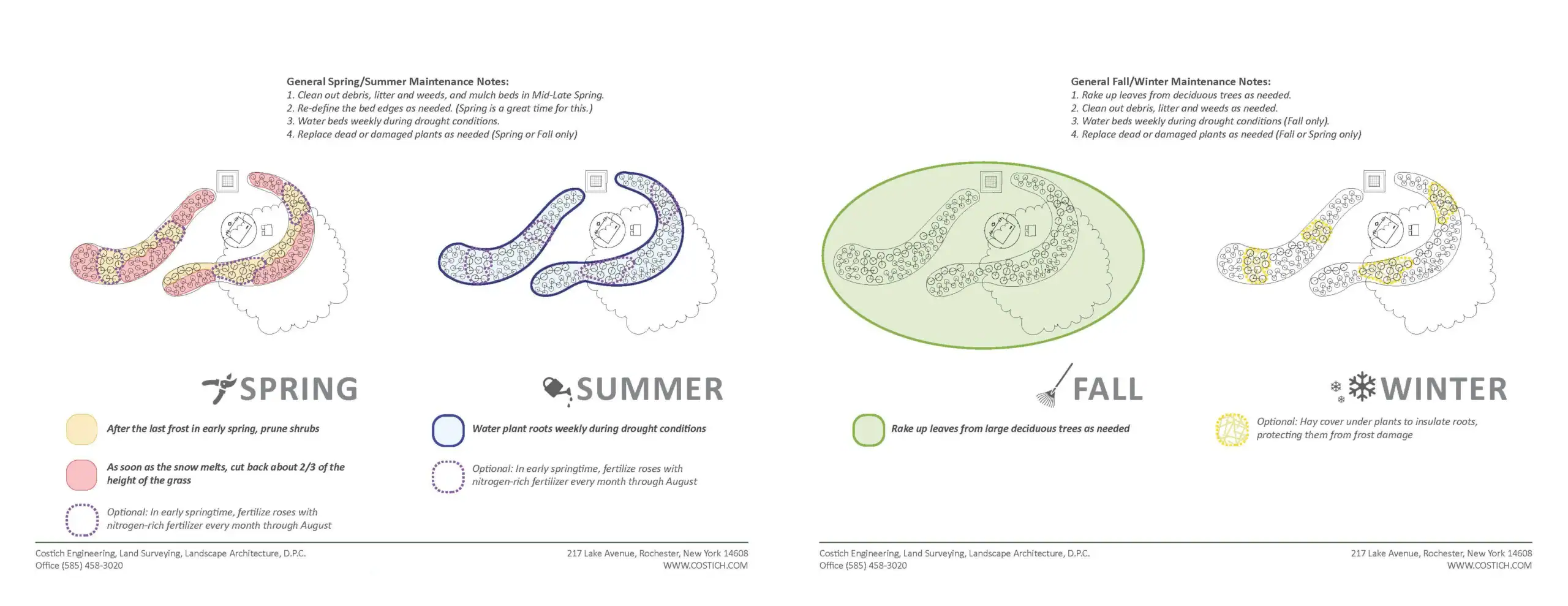
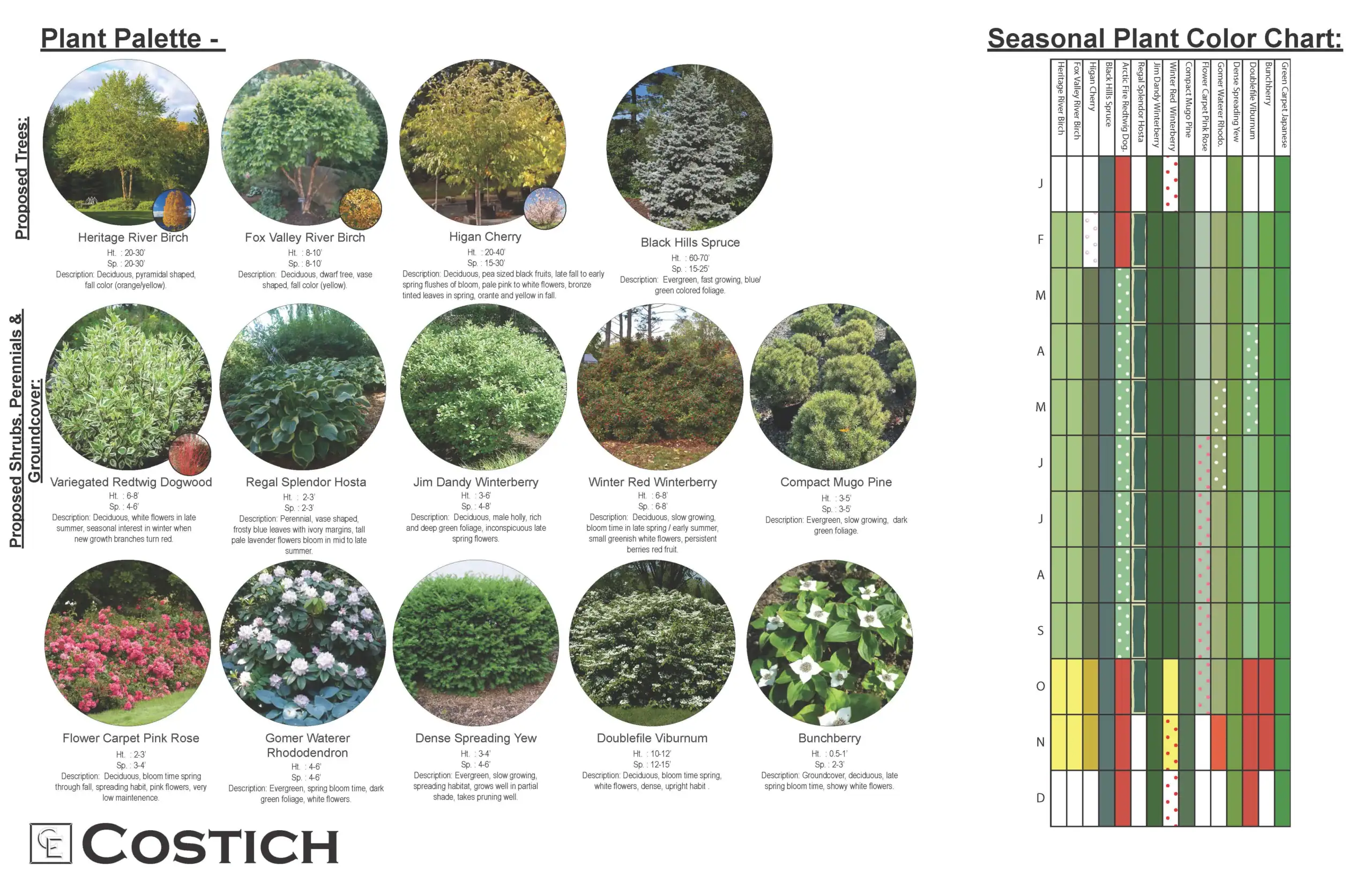
Seasonal landscape maintenance guide showing spring, summer, fall, and winter care notes with plant bed diagrams and color-coded maintenance tips.

2. Site Conditions Drive Everything

Sun exposure, soil composition, drainage patterns, wind, and even plant sourcing all determine whether a landscape thrives or merely survives. We’ve seen identical plant palettes perform completely differently on sites just miles apart, simply because of variations in microclimate, installation practices, and maintenance.

This summer’s weather swings highlighted how critical it is to understand not just average conditions, but extremes. Successful designs account for both the wettest and driest scenarios a site might face. They consider how water moves across the landscape during heavy rains, where it pools, and which areas will be first to dry out during drought periods.

Not to mention the upcoming snow, ice, and salt impacts we’ll see from the winter season in northeastern landscapes!

3. Code Compliance Is Just the Starting Point

Municipal requirements around plant type, location, and quantity serve important purposes in combating urban heat island effect, providing habitat, beatifying the public realm, etc. However, meeting code doesn’t guarantee success. A code-compliant design might look perfect on paper yet struggle in reality if day-to-day site conditions—compacted soil, reflected heat from pavement, limited water access, salt spray, or challenging maintenance logistics—aren’t addressed.

The most successful projects go beyond minimum requirements to solve the actual challenges the landscape will face. This might mean specifying specific planting soil mixtures to promote better oxygen, water and nutrient uptake by plants, or selecting plant varieties that handle site conditions better than code minimums would suggest.

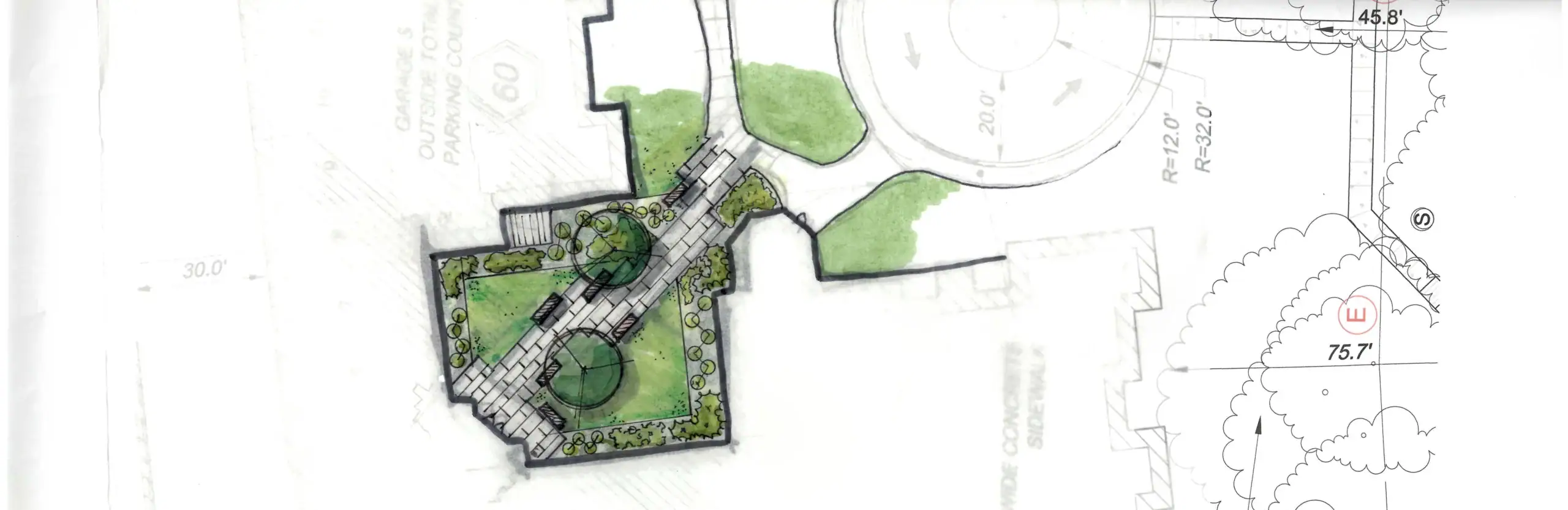
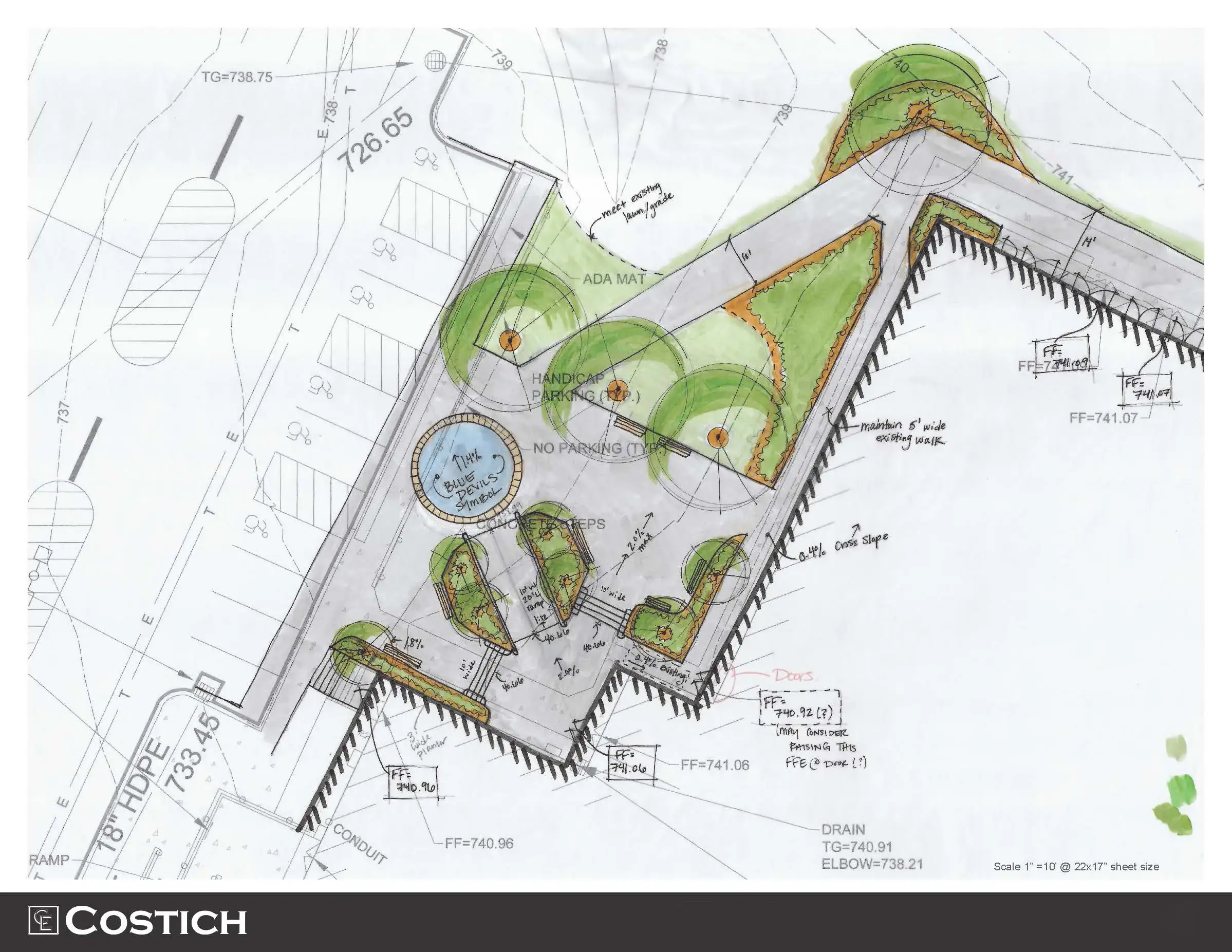
Hand-rendered landscape concept plan showing a plaza with walkways, benches, and green planting areas integrated into surrounding site geometry.

4. Why This Matters More Than Ever

Weather extremes are increasing everywhere. The traditional approach of designing for “average” conditions no longer provides adequate resilience. Today’s successful landscapes must be designed to handle extremes, not as rare exceptions, but as regular occurrences.

This shift requires a deeper understanding of plant ecology, soil science, and environmental systems. It means understanding the careful balance between aesthetic goals and long-term adaptability. The landscapes that stood out as successes this summer were those designed with weather extremes in mind from the beginning, not as an afterthought.

The Long View

Every project is an opportunity to create something that doesn’t just look good on installation day, but grows, adapts, and flourishes over time. When that happens, the difference is visible to everyone—from property owners to the broader community.

The key is recognizing that thoughtful design upfront isn’t just about preventing problems. It’s about creating landscapes that become more valuable, more beautiful, and more resilient as they mature. In an era of climate uncertainty, that kind of forward-thinking design isn’t just good practice, it’s essential.